Setting credible emission reduction targets is a cornerstone of effective climate action. For sustainability leaders, the challenge lies in creating targets that are not only ambitious but also achievable and measurable. A well-crafted target can drive real progress, inspire teams, and build trust with stakeholders. Here’s how to get it right.
What Makes a Target Credible?
A credible emissions target is built on three key principles:
- Science-Based: Align your targets with climate science, such as limiting global warming to 1.5°C. Frameworks like the Science Based Targets initiative (SBTi) provide clear guidance on setting targets that reflect this goal.
- Time-Bound: Define clear deadlines. Short-term (1-5 years) and long-term (10-30 years) targets ensure accountability and allow for progress tracking.
- Measurable: Use reliable data to quantify your baseline emissions and track reductions. Metrics like CO2e (carbon dioxide equivalent) provide a consistent way to measure progress.
Targets that meet these criteria are more likely to gain buy-in from stakeholders and drive meaningful change.
Common Traps to Avoid
Even with the best intentions, organisations often fall into these traps:
- Being Too Vague: Targets like “reduce emissions” lack clarity. Specify the percentage reduction, timeframe, and scope (e.g., Scope 1, 2, or 3 emissions).
- Being Too Ambitious: While ambition is important, overly aggressive targets without a clear roadmap can lead to missed deadlines and eroded credibility.
- No Baseline: Without a defined baseline year, it’s impossible to measure progress. Ensure your baseline reflects a typical year of operations, not an anomaly.
Avoiding these pitfalls requires a balance between ambition and realism, backed by robust data.
Aligning with SBTi, ISO 14064, or Internal Policies
To strengthen credibility, align your targets with established frameworks or standards:
- SBTi: This initiative provides sector-specific pathways for setting science-based targets. It’s widely recognised and adds legitimacy to your goals.
- ISO 14064: This standard offers a structured approach to quantifying and reporting greenhouse gas emissions.
- Internal Policies: If external frameworks aren’t feasible, ensure internal policies are rigorous and transparent. Clearly document methodologies and assumptions.
Alignment with these frameworks not only enhances credibility but also ensures your targets are comparable across industries.
Creating an Emissions Reduction Roadmap
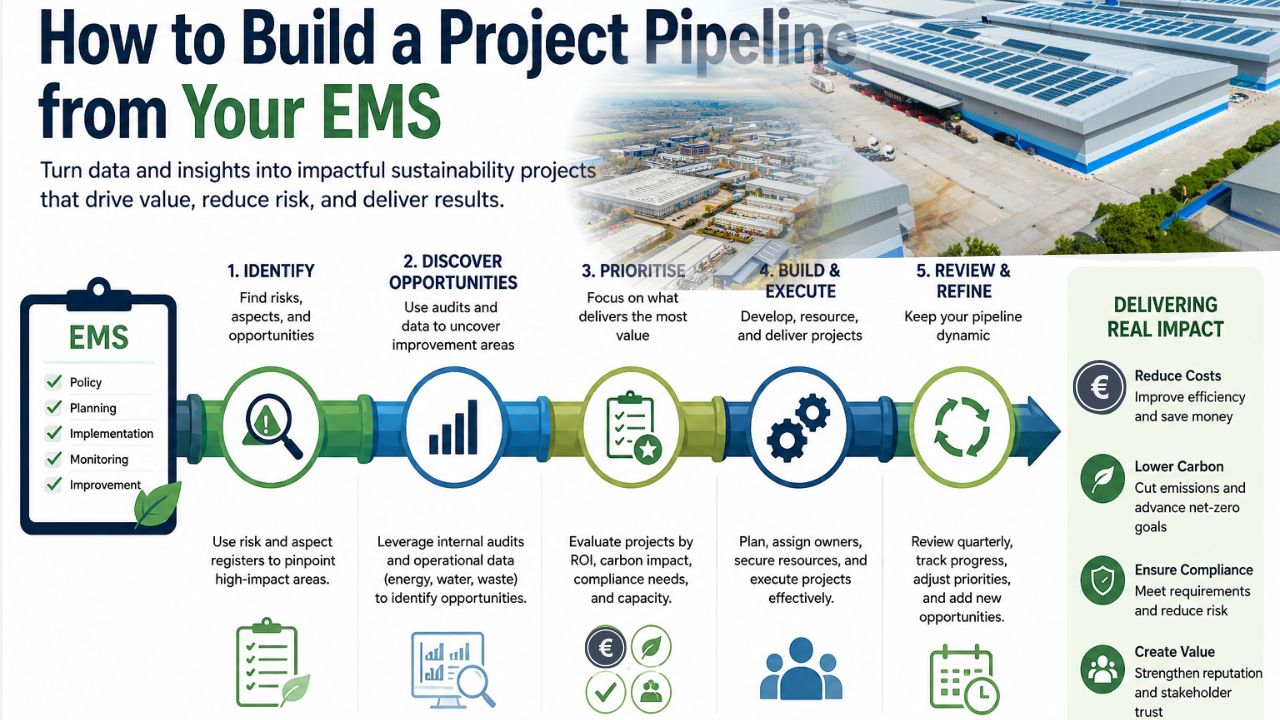
A target without a plan is just wishful thinking. Build a roadmap that outlines how you’ll achieve your goals:
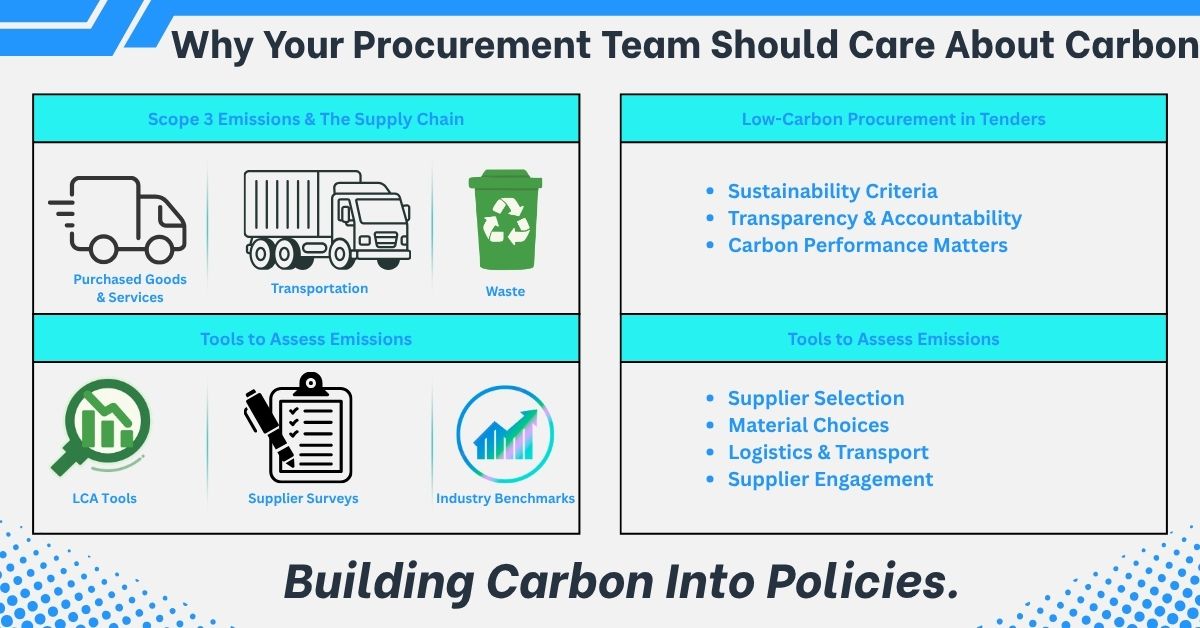
- Identify Key Emission Sources: Focus on the largest contributors, such as energy use, transportation, or supply chain emissions.
- Set Interim Milestones: Break your target into smaller, time-bound steps to maintain momentum.
- Define Actions: Specify initiatives like energy efficiency upgrades, renewable energy adoption, or supplier engagement.
- Allocate Resources: Ensure sufficient budget, technology, and personnel to implement your plan.
- Monitor Progress: Use tools like carbon accounting software to track emissions and adjust strategies as needed.
A clear roadmap turns ambitious targets into actionable plans.
Making Targets Visible and Team-Driven
To succeed, your targets must be embedded into your organisation’s culture:
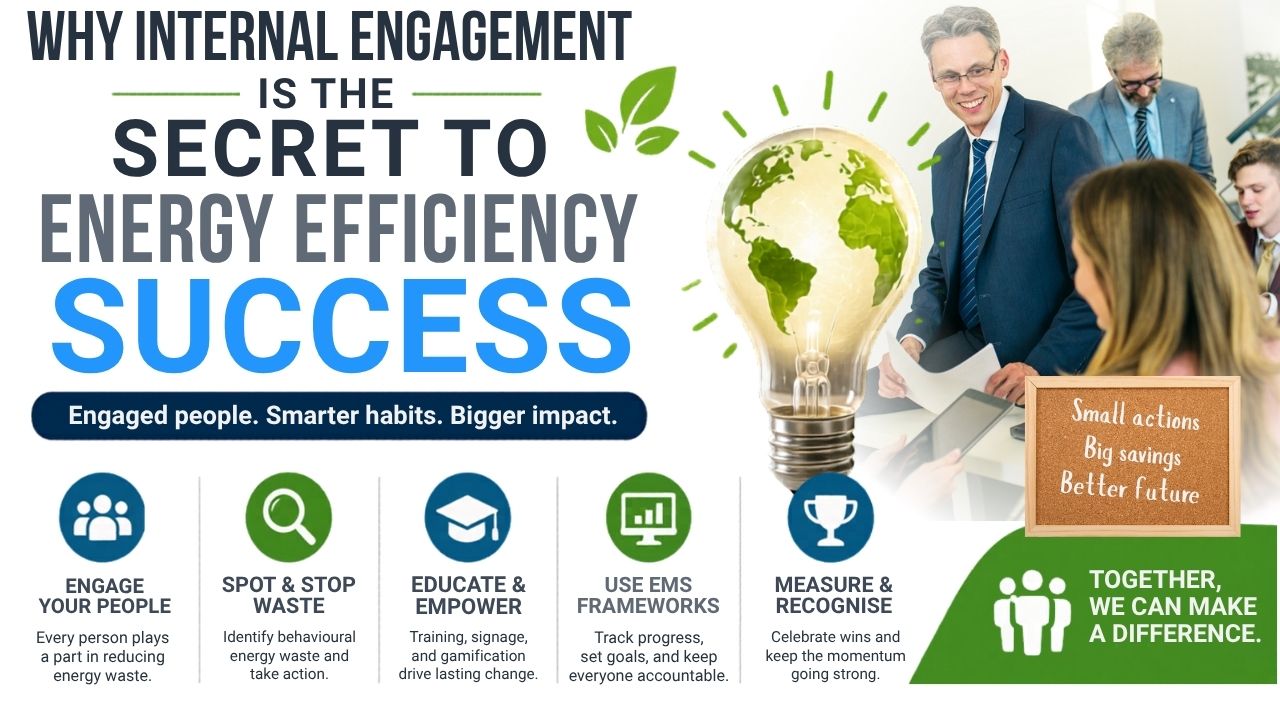
- Communicate Clearly: Share your targets and progress with employees, investors, and customers. Transparency builds trust and accountability.
- Engage Teams: Involve employees in identifying and implementing reduction initiatives. Their insights can uncover practical solutions.
- Celebrate Milestones: Recognise achievements along the way to maintain motivation and momentum.
When teams feel ownership of the target, they’re more likely to contribute to its success.
Conclusion
An effective emissions reduction target isn’t just about looking good on paper, it’s about driving real, measurable progress. By ensuring your targets are science-based, time-bound, and measurable, avoiding common pitfalls, and aligning with credible frameworks, you can set your organisation on a path to meaningful climate action. Combine this with a clear roadmap and team engagement, and your targets will not only work, they’ll inspire.