Toward Zero Carbon

Articles

Cartoon image of a team completing a checklist
Uncategorized
Integrating Energy and Environmental Systems in Your Business.

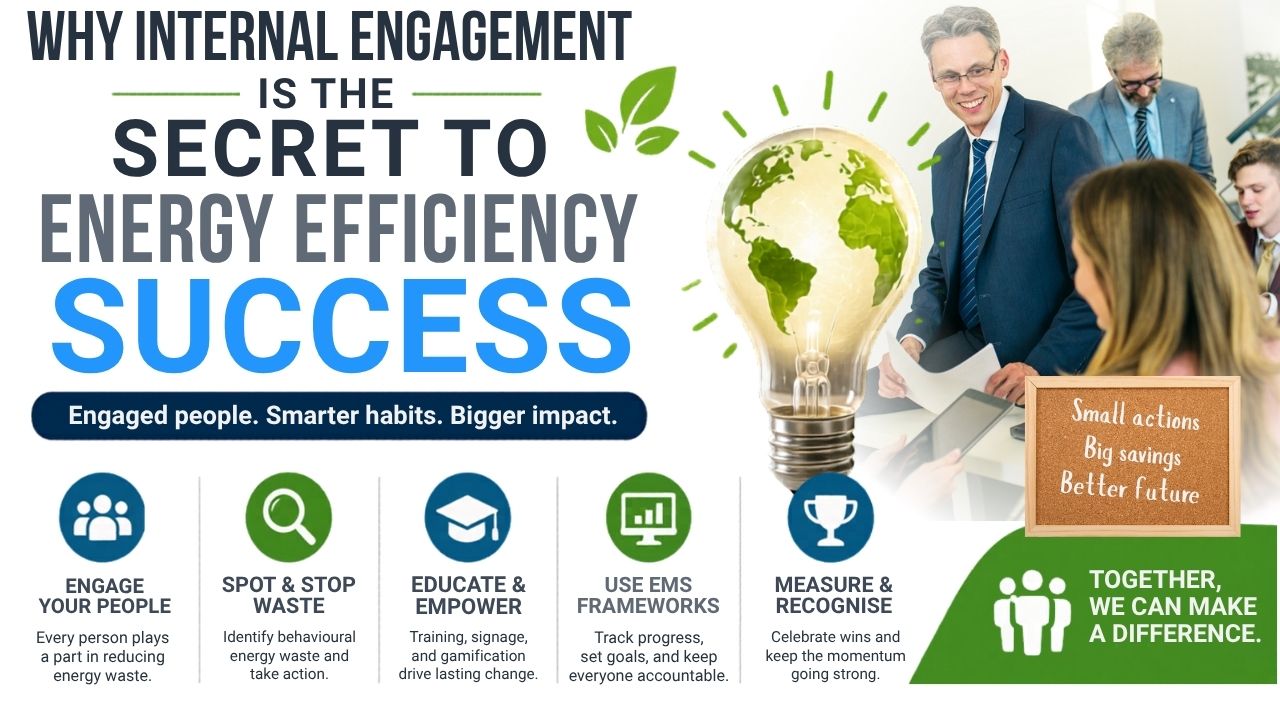
Integrating ISO 50001 (Energy Management) and ISO 14001 (Environmental Management) offers organisations a powerful way to streamline sustainability efforts. By combining these systems into an Integrated Management System (IMS), businesses can eliminate duplicated processes, reduce costs, and improve decision-making. Shared requirements—such as policy development, data collection, audits, and training—can be managed together, saving time and resources. Integration also enhances stakeholder confidence and ensures compliance with overlapping legal and regulatory standards. Ultimately, an IMS amplifies the impact of sustainability initiatives, helping organisations achieve their energy and environmental goals more efficiently and effectively

Environment
What Makes a Good Environmental Aspect Register?

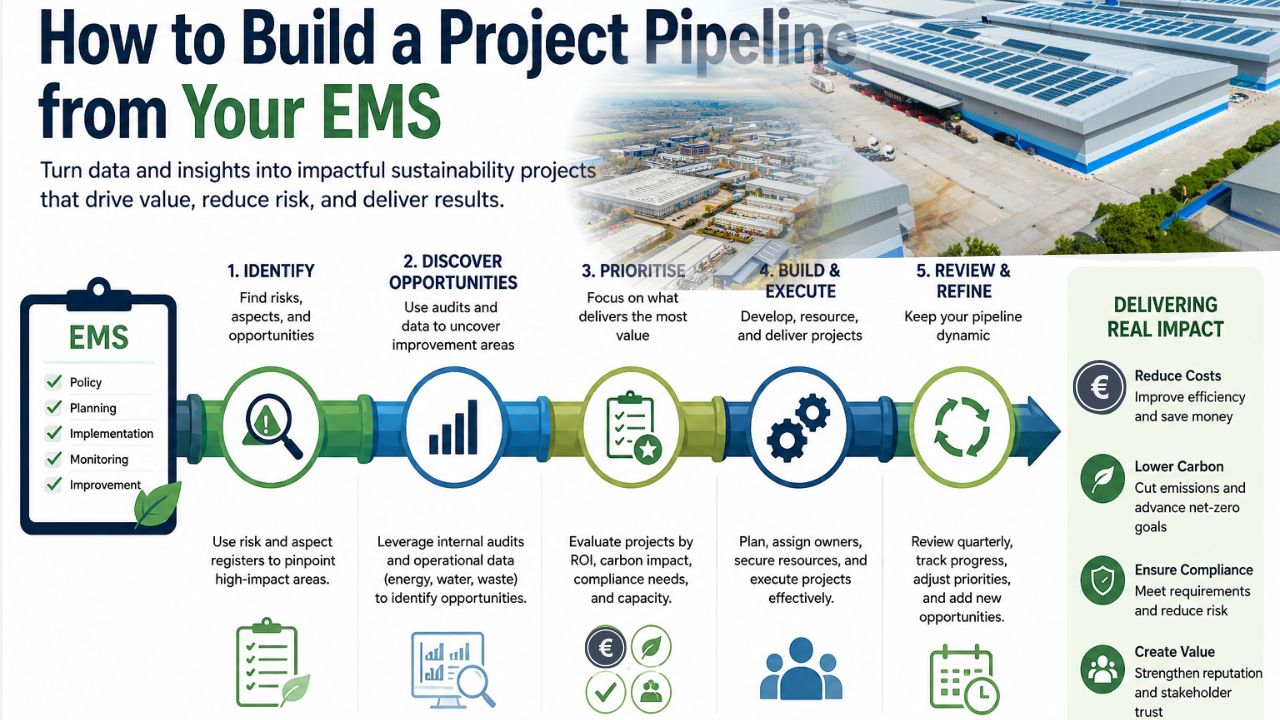
A good environmental aspect register is essential for an effective Environmental Management System (EMS) under ISO 14001. It goes beyond compliance, serving as a practical tool to identify, assess, and manage environmental impacts. An effective register is clear, concise, and aligned with organisational goals, helping prioritise meaningful actions. Avoid common pitfalls like being too vague, overly detailed, or disconnected from operations. By mapping activities, identifying environmental interactions, and evaluating significance, organisations can focus on the most critical aspects. Regularly updating and using the register to set objectives, allocate resources, and engage employees ensures continuous improvement and real environmental benefits.

Uncategorized
How to Streamline Environmental Compliance with a Digital EMS

Managing environmental compliance manually can be overwhelming, leading to duplicated efforts, missed deadlines, and poor visibility. A digital Environmental Management System (EMS) transforms this process by centralising tasks, automating reminders, and securely storing documents. With features like real-time monitoring, audit readiness, and easy integration, a digital EMS reduces risks and administrative burdens while supporting continuous improvement. It also streamlines ISO 14001 certification by organising documentation and simplifying audits. By choosing user-friendly, scalable software, businesses can embed sustainability into daily operations and ensure compliance is efficient and stress-free. Ready to modernise your EMS? The right digital tools make all the difference.

Environment
How to Measure Carbon Savings from Operational Changes

Measuring carbon savings from operational changes is essential for credible sustainability claims. To qualify, reductions must be quantifiable, attributable to specific interventions, verifiable with solid data, and additional to “business as usual.” Start by establishing a clear baseline, document the intervention, and compare results over a matching reporting period. Use robust tools like the International Performance Measurement and Verification Protocol (IPMVP), submetering, and regression models to ensure accuracy. Prioritise real, measured savings over estimates, and verify results through internal reviews or third-party audits. Proper measurement and verification not only build trust but also unlock opportunities for funding and recognition.

Energy
How to Use ISO 50001 to Secure Energy Grants and Funding

ISO 50001 is more than just an energy management certification—it’s a strategic tool for unlocking grants, loans, and incentives to fund sustainability goals. By implementing ISO 50001, organisations can present structured, data-driven energy plans that appeal to funding bodies. The standard’s focus on measurable impact, continuous improvement, and transparent reporting builds trust with grant providers and investors. Leveraging ISO 50001 helps organisations align projects with funding criteria, demonstrate accountability, and showcase a commitment to long-term energy and emissions reductions—making it easier to secure financial support for energy efficiency and renewable energy initiatives.

Environment
The Importance of Regular Greenhouse Gas Reporting

As ESG expectations rise, regular greenhouse gas (GHG) reporting is essential for corporate sustainability. Treating GHG tracking as a one-off task can lead to missed opportunities, regulatory risks, and reduced stakeholder trust. By adopting continuous GHG monitoring, businesses gain real-time insights, improve compliance, and make better decisions that drive cost savings and innovation. Integrating carbon data into financial planning and procurement ensures emissions are managed as rigorously as other key metrics. Companies that embrace repeatable, verified reporting are better positioned to meet evolving requirements, build stakeholder confidence, and thrive in a carbon-conscious world.

Energy
Taking Control of your Energy Management with Metering Systems.

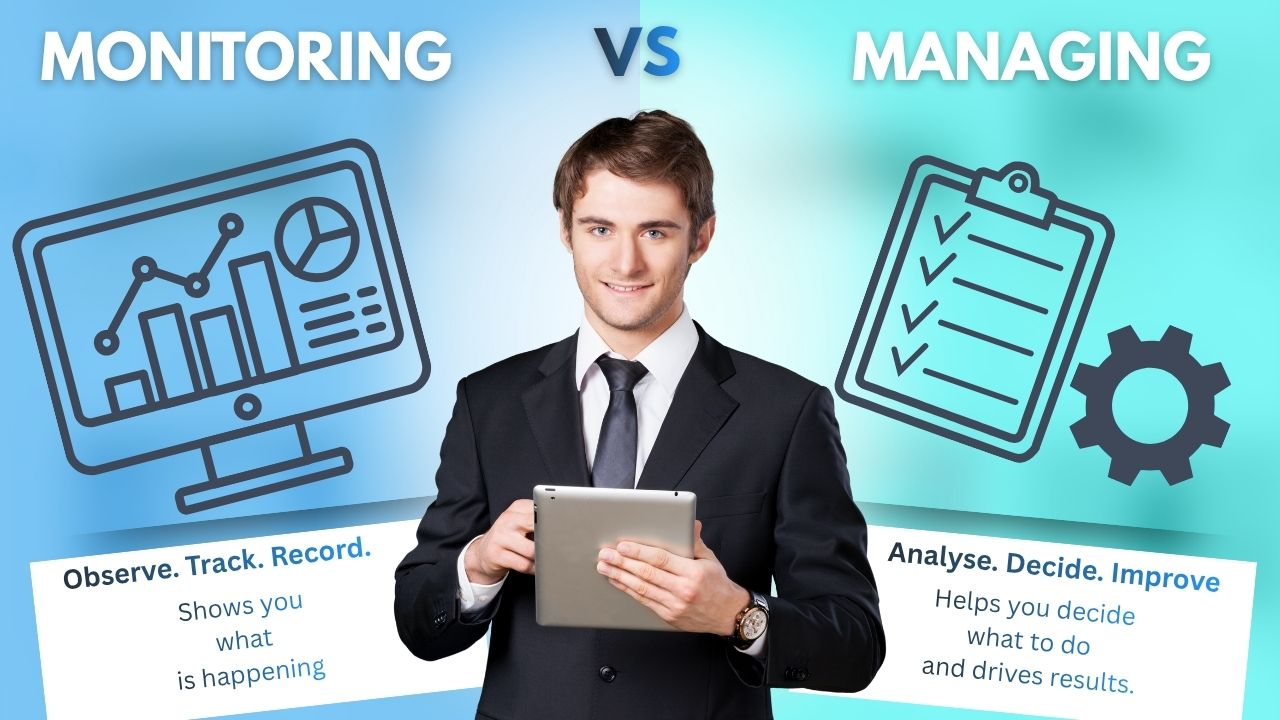
In today’s fast-paced business world, traditional spreadsheets and manual meters fall short in providing the real-time insights needed for effective energy management. Energy monitoring software offers a smarter solution by centralising data, automating processes, and delivering real-time alerts. These platforms empower organisations to identify inefficiencies, respond quickly to anomalies, and make data-driven decisions that save time and money. With features like automated data collection, baselining, and integration with IoT devices, businesses can streamline operations and achieve measurable savings. Investing in energy monitoring software enables companies of all sizes to boost efficiency, reduce costs, and support sustainability goals.

Energy
Defining Scope 2 Emissions and Their Influence on Energy Consumption within your Business.

Scope 2 emissions, generated from purchased electricity, heating, and cooling, are a key part of a business’s carbon footprint and present clear opportunities for decarbonisation. This blog explains the essentials of Scope 2 emissions, the difference between market-based and location-based accounting, and the importance of emission factors. It highlights practical strategies for reduction, such as improving energy efficiency, switching to renewable energy, and transparent reporting. By understanding and addressing Scope 2 emissions, businesses can make significant progress toward sustainability goals and demonstrate environmental leadership.

Environment
Promoting Sustainability With ISO Audits

ISO certification is often seen as the ultimate mark of sustainability, but true progress goes beyond the plaque on the wall. While ISO 50001 and 14001 set important standards, real impact comes from continuous improvement, not just compliance. Many organis
ations fall into “compliance mode,” treating audits as hurdles rather than opportunities for change. To drive genuine sustainability, businesses must act on audit findings, engage employees at all levels, and integrate sustainability into their core strategy. Certification is a milestone, not the destination—lasting change requires ongoing commitment, measurement, and a willingness to go beyond what’s required.

Energy
Water, Waste and Energy: The Overlooked Link

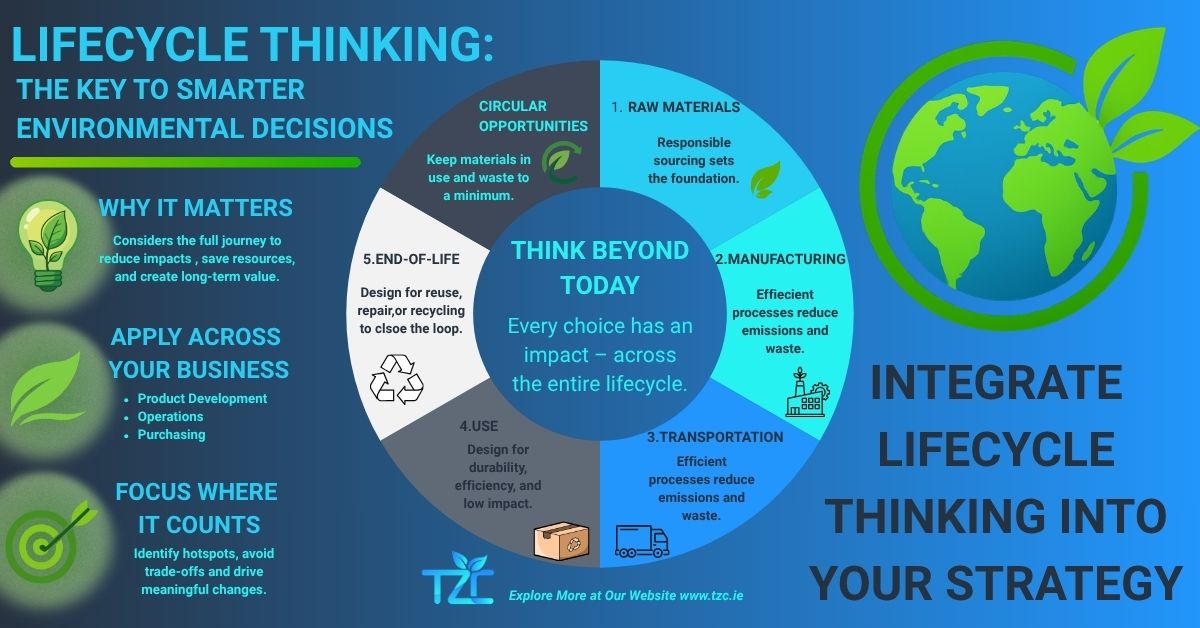
Water and waste are often overlooked as major energy consumers in industrial and commercial settings. Beyond lighting and machinery, the energy required for water treatment, pumping, and waste management can account for a significant portion of total usage. By aligning ISO 14001 and ISO 50001 standards, organisations can address water, waste, and energy together, uncovering hidden savings and boosting sustainability. Integrated management not only reduces costs and emissions but also enhances resilience and compliance. Adopting a systems-thinking approach—mapping interconnections, optimising equipment, and engaging staff—unlocks greater efficiency and ensures every drop and bit of waste tells an energy story.