In today’s world, claiming to be “green” isn’t enough. Consumers and stakeholders are demanding proof, not promises. Greenwashing is when companies exaggerate or fabricate their environmental efforts. This can destroy trust and damage reputations. To stand out as a credible leader in sustainability, businesses must embrace transparency backed by verified data. Here’s what you need to know about avoiding greenwashing and building genuine environmental credibility.
What Is Greenwashing (and Common Examples)?
Greenwashing occurs when companies mislead consumers about their environmental practices or products. It’s often done through vague claims, selective reporting, or flashy marketing that lacks substance. While it might provide short-term benefits, greenwashing can lead to long-term reputational damage, regulatory fines, and loss of customer trust.
Common examples of greenwashing include:
Vague Labels: Terms like “eco-friendly” or “natural” are often used without clear definitions or evidence to back them up.
Selective Transparency: Highlighting one sustainable initiative while ignoring significant environmental harms elsewhere in the business.
Misleading Imagery: Using green packaging, nature-themed designs, or buzzwords to create a false impression of sustainability.
Unverified Claims: Announcing carbon neutrality or reduced emissions without third-party verification or clear methodologies.
Greenwashing thrives on ambiguity. To avoid falling into this trap, businesses must move beyond surface-level claims and focus on measurable, verifiable actions.
Why Vague Claims No Longer Cut It
The days of getting away with vague environmental claims are over. Consumers, investors, and regulators are increasingly savvy about greenwashing tactics. They demand quantifiable data, clear methodologies, and third-party validation.
For example, simply labelling a product as “sustainable” without explaining why raises red flags. Is it made from recycled materials? Does the manufacturing process reduce emissions? Without details, such claims lack credibility.
Moreover, regulatory bodies are cracking down. In the EU, the Green Claims Directive requires companies to substantiate environmental claims with evidence. Similarly, in the U.S., the Federal Trade Commission (FTC) enforces guidelines against deceptive environmental marketing. Non-compliance can lead to hefty fines and public backlash.
To build trust, businesses must communicate their environmental efforts with clarity and precision. Transparency isn’t just a nice-to-have, it’s a competitive advantage.
The Role of Third-Party Verification
Third-party verification is the cornerstone of credible environmental transparency. It provides an unbiased assessment of a company’s environmental performance, ensuring claims are accurate and trustworthy. Here are some key tools and certifications to consider:
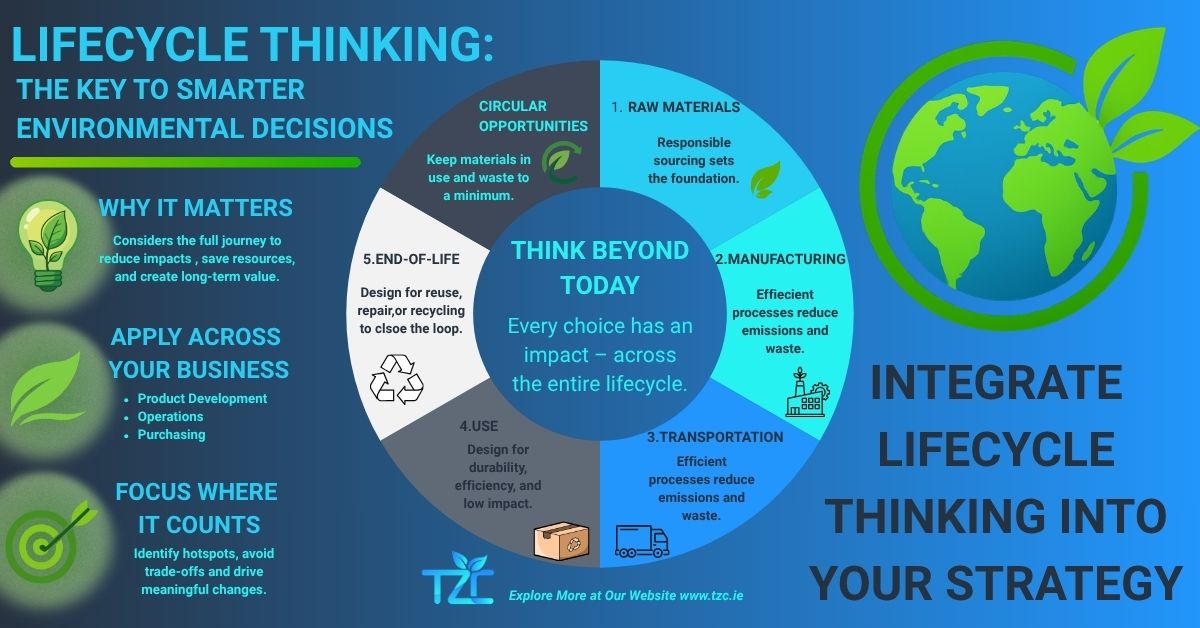
- Environmental Product Declarations (EPDs): EPDs provide a detailed analysis of a product’s environmental impact throughout its lifecycle. They’re based on standardised methodologies, making them a reliable way to communicate sustainability.
- ISO Standards: Certifications like ISO 14001 (Environmental Management Systems) and ISO 50001 (Energy Management) demonstrate a company’s commitment to systematic, measurable environmental improvements.
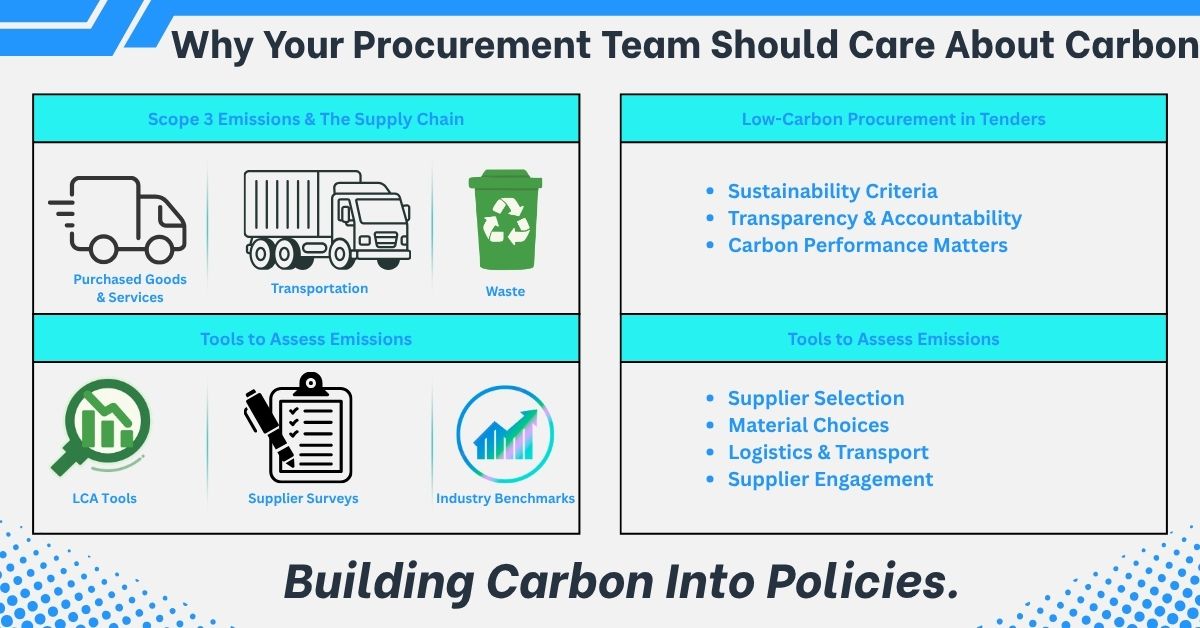
- Greenhouse Gas (GHG) Inventories: A verified GHG inventory quantifies a company’s emissions across Scope 1, 2, and 3. This data is critical for setting and achieving meaningful carbon reduction goals.
Third-party verification not only strengthens your credibility but also helps you identify areas for improvement. It’s a win-win for both your reputation and your environmental impact.
Best Practices for Credible Environmental Communication
To avoid greenwashing and build trust, businesses must adopt best practices for environmental communication. Here’s how to do it right:
- Be Specific and Transparent
- Avoid generic terms like “green” or “sustainable.” Instead, provide concrete details. For example, instead of saying, “Our packaging is eco-friendly,” specify, “Our packaging is made from 100% post-consumer recycled materials and is fully recyclable.”
- Use Data to Back Up Claims
- Quantify your environmental impact with metrics. For instance, report the percentage reduction in emissions, water use, or waste achieved through specific initiatives. Data adds credibility and helps stakeholders understand the scale of your efforts.
- Acknowledge Challenges
- No company is perfect. Being honest about your challenges and areas for improvement shows authenticity. For example, if you’re working to reduce Scope 3 emissions but haven’t achieved your target yet, share your progress and next steps.
- Engage Stakeholders
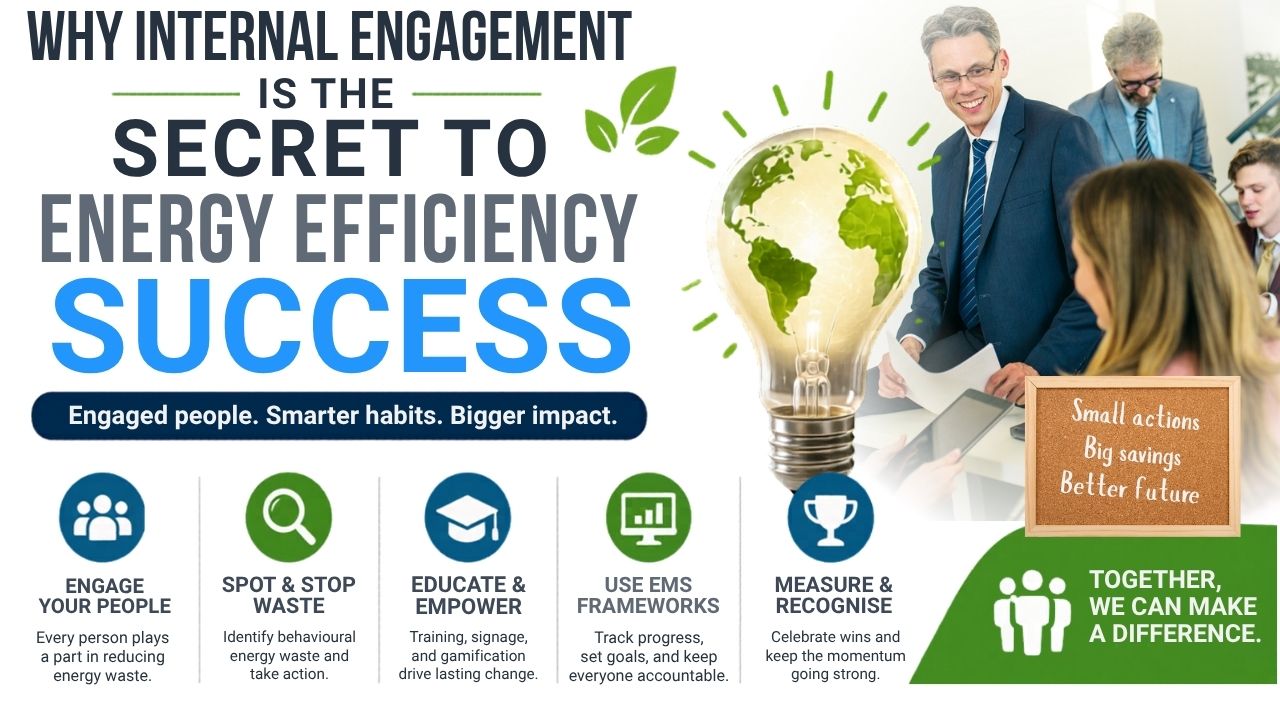
- Involve employees, customers, and partners in your sustainability journey. Share updates through reports, social media, or events. Transparency fosters trust and encourages collaboration.
- Leverage Storytelling
- Combine data with compelling narratives. Share stories about how your initiatives are making a difference, whether it’s reducing waste in your supply chain or supporting renewable energy projects. Stories humanise your efforts and make them relatable.
By following these practices, you can communicate your environmental efforts with integrity and impact.
How Data-Driven Systems Support Transparency
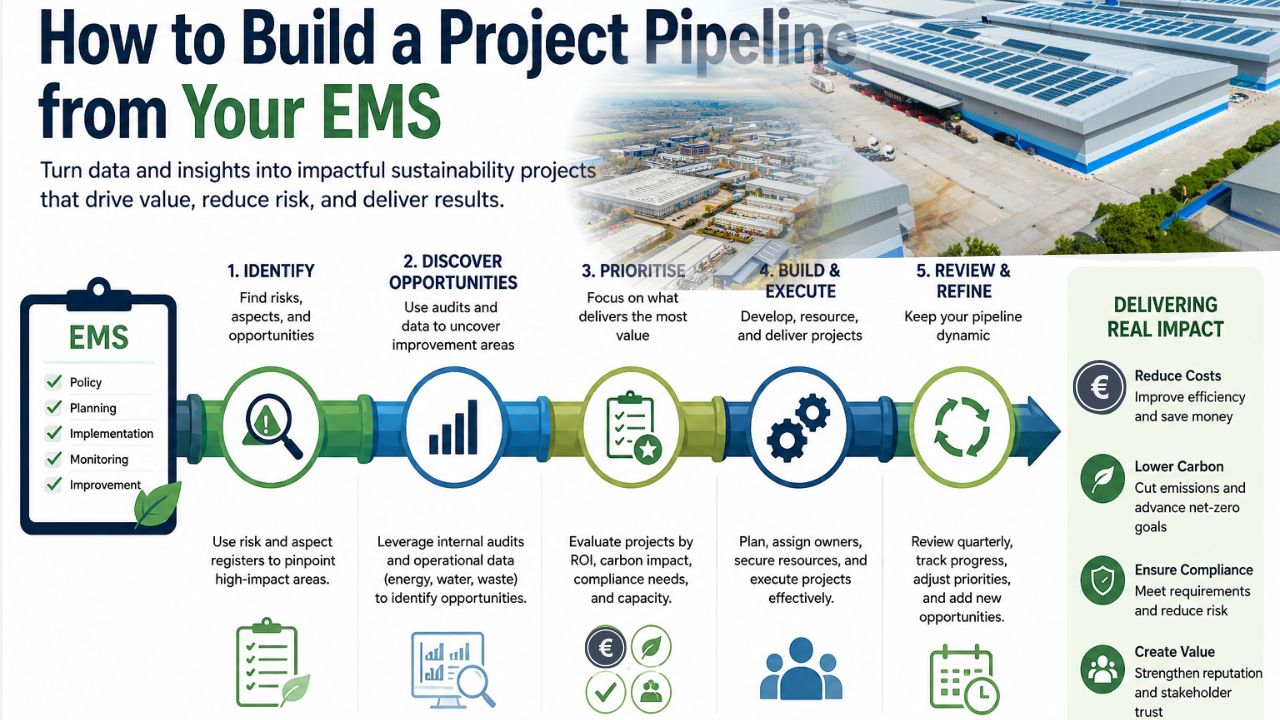
Managing and communicating environmental performance can be complex, especially for large organisations. That’s where data-driven systems like Environmental Management Systems (EMS) come in. These tools streamline the process, ensuring your sustainability efforts are measurable, trackable, and verifiable.
Here’s how EMS and similar systems support transparency:
- Centralised Data Management: EMS consolidates environmental data from across your operations, making it easier to monitor performance and identify trends.
- Real-Time Monitoring: Track energy use, emissions, and waste in real time, allowing you to respond quickly to inefficiencies or anomalies.
- Automated Reporting: Generate accurate, detailed reports for stakeholders, regulators, and certification bodies without manual effort.
- Benchmarking and Goal Setting: Use historical data to set realistic sustainability goals and measure progress over time.
By leveraging data-driven systems, you can move beyond guesswork and demonstrate your environmental impact with confidence.
Conclusion
In the fight against greenwashing, proof beats promises every time. Environmental credibility comes from transparency, data, and third-party verification, not vague claims or flashy marketing. By adopting best practices and leveraging tools like EMS, businesses can lead with confidence and build trust with their stakeholders.
The path to genuine environmental transparency isn’t always easy, but it’s worth it. When you back your sustainability efforts with verified data, you don’t just avoid greenwashing, you position your company as a leader in the transition to a more sustainable future.