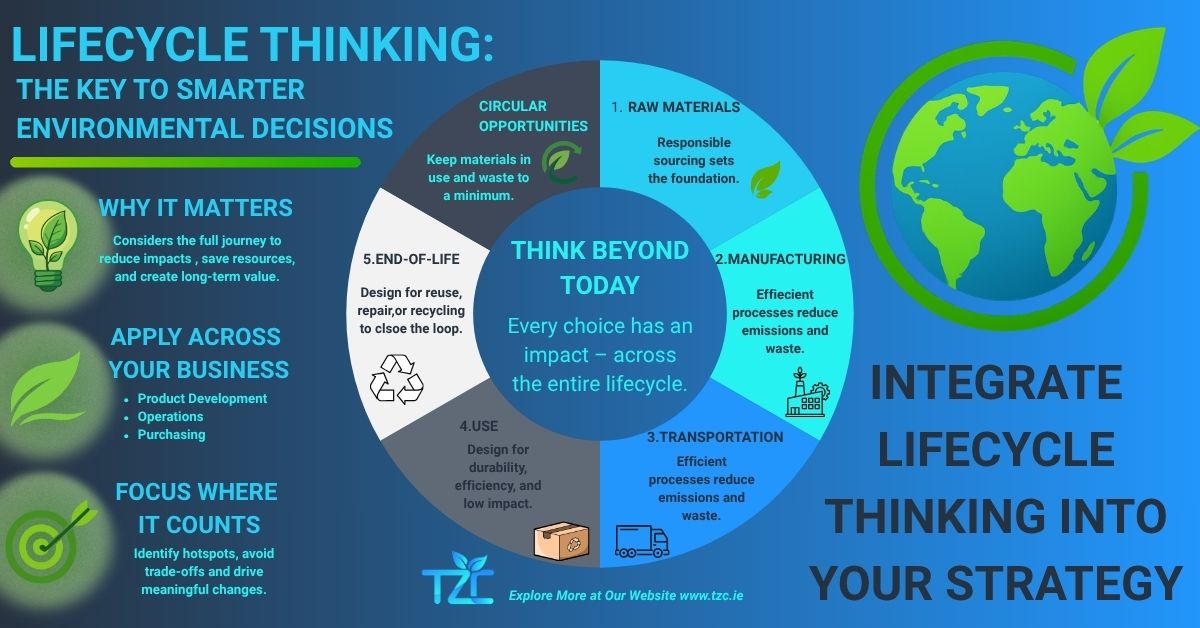
Sustainability isn’t just about today, it’s about creating solutions that stand the test of time. Lifecycle thinking is a powerful approach that helps businesses make smarter environmental decisions by considering the full journey of a product or service, from raw materials to disposal. It goes beyond traditional lifecycle assessments (LCA) and can be applied across product development, operations, and purchasing to drive meaningful change.
In this blog, we’ll explore what lifecycle thinking is, why it matters, common blind spots in decision-making, and how to integrate it into your environmental strategies.
What is Lifecycle Thinking?
Lifecycle thinking is a holistic approach to understanding the environmental impacts of a product, service, or system throughout its entire lifecycle. This includes every stage, from raw material extraction, manufacturing, transportation, use, and end-of-life disposal or recycling. Unlike a formal lifecycle assessment, which involves detailed data collection and analysis, lifecycle thinking is a mindset that encourages teams to consider the bigger picture when making decisions.
It’s not just about calculating carbon footprints. Lifecycle thinking also considers resource use, waste generation, energy consumption, and social impacts. By adopting this approach, organisations can identify opportunities to reduce negative impacts and create more sustainable solutions.
Why It Matters for Product Development, Operations, and Purchasing
Lifecycle thinking is a game-changer for businesses aiming to improve their sustainability performance. Here’s how it can make a difference across key areas:
1. Product Development
Designing with the entire lifecycle in mind leads to smarter, more sustainable products. For example, choosing materials that are recyclable or biodegradable can reduce waste at the end of a product’s life. Similarly, designing for durability can extend a product’s useful life, reducing the need for replacements and conserving resources.
2. Operations
Operational decisions, such as energy sourcing or waste management, have ripple effects across the lifecycle. By considering upstream and downstream impacts, companies can optimise processes to minimise emissions and resource use. For instance, switching to renewable energy sources not only reduces operational emissions but also lowers the lifecycle carbon footprint of products.
3. Purchasing
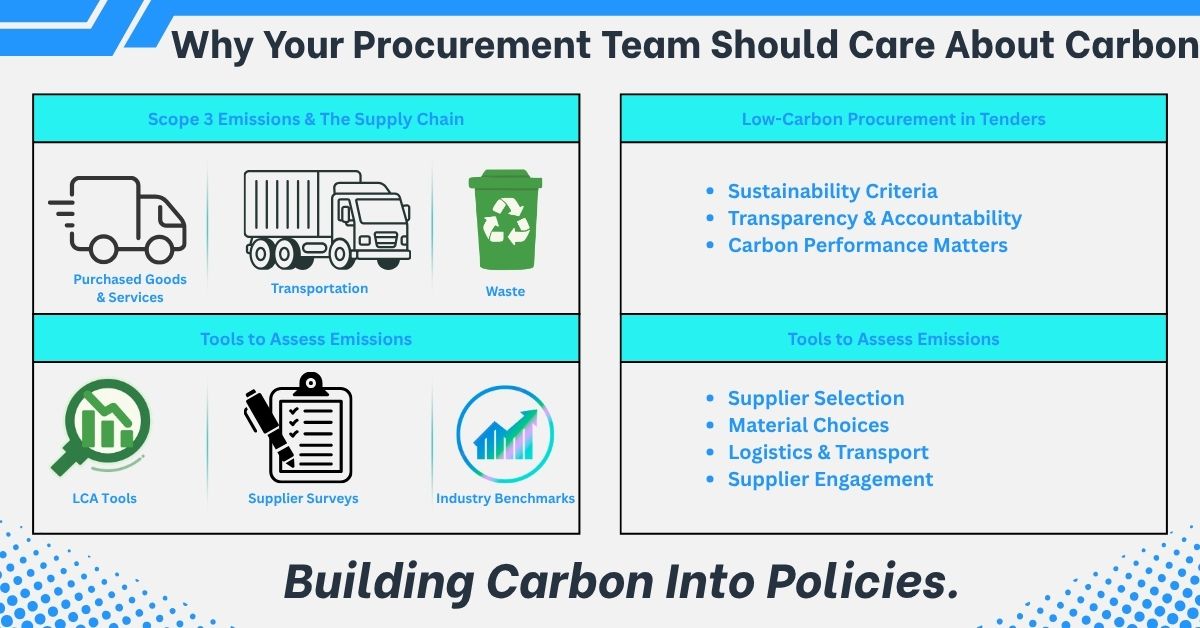
Procurement teams play a critical role in lifecycle thinking. Choosing suppliers with sustainable practices or prioritising materials with lower environmental impacts can significantly reduce a product’s overall footprint. Additionally, engaging suppliers in conversations about lifecycle impacts can lead to collaborative improvements across the supply chain.
Common Blind Spots in Decision-Making
Even with the best intentions, decision-makers often overlook key lifecycle impacts. Here are some common blind spots:
1. Upstream Impacts
Many organisations focus on their direct operations but fail to account for upstream impacts, such as the environmental footprint of raw material extraction or supplier practices. For example, sourcing virgin materials instead of recycled ones can significantly increase a product’s carbon footprint.
2. Downstream Impacts
End-of-life considerations are often neglected. Products designed without recycling or disposal in mind can create significant waste and pollution. For instance, single-use plastics that cannot be easily recycled contribute to long-term environmental harm.
3. Hidden Trade-Offs
Sometimes, improving one aspect of a product’s lifecycle can unintentionally worsen another. For example, lightweight packaging may reduce transportation emissions but could be harder to recycle, creating downstream challenges. Lifecycle thinking helps identify and balance these trade-offs.
Practical Applications Without Full LCA
While a full lifecycle assessment provides valuable insights, it’s not always feasible due to time, cost, or data constraints. Fortunately, you can still apply lifecycle thinking in practical ways:
1. Material Choices
Opt for materials with lower environmental impacts, such as recycled content, renewable resources, or non-toxic alternatives. Tools like material sustainability databases can help guide decisions.
2. Simplified Assessments
Use screening tools or simplified LCA methods to identify hotspots. These are the stages of the lifecycle with the highest impacts, allowing you to focus your efforts where they’ll make the biggest difference.
3. Collaboration
Engage with suppliers, customers, and other stakeholders to understand and address lifecycle impacts. For example, partnering with suppliers to reduce packaging waste or working with customers to promote product reuse can yield significant benefits.
4. Design for Circularity
Incorporate principles of the circular economy, such as designing for reuse, repair, or recycling. This reduces waste and keeps materials in use for as long as possible.
Integrating Lifecycle Thinking into Your EMS and EPD Strategy
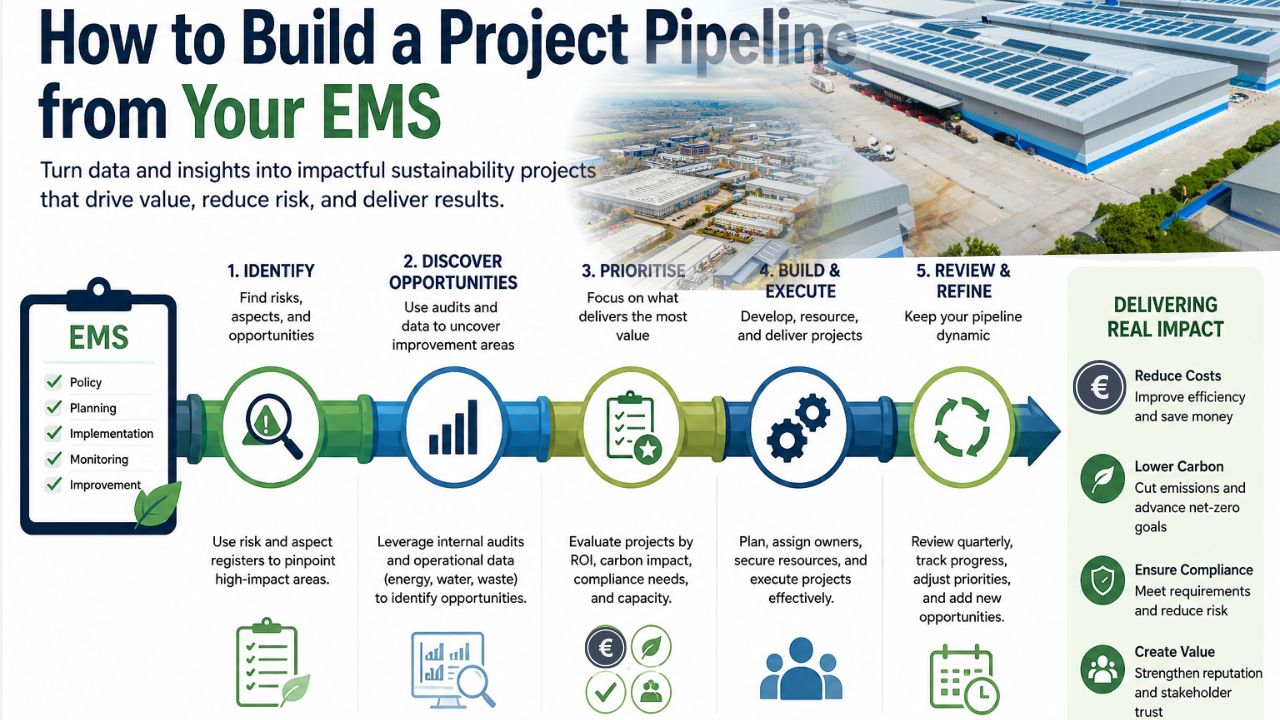
Environmental Management Systems (EMS) and Environmental Product Declarations (EPDs) are valuable tools for managing and communicating environmental performance. By embedding lifecycle thinking into these frameworks, you can enhance their effectiveness and align them with long-term sustainability goals.
1. Incorporate Lifecycle Goals into Your EMS
Set objectives and targets that address lifecycle impacts, such as reducing upstream emissions or improving end-of-life recycling rates. Use lifecycle thinking to identify key performance indicators (KPIs) that reflect the full scope of your environmental impact.
2. Leverage EPDs for Transparency
EPDs provide a standardised way to communicate the lifecycle impacts of your products. Use them to highlight improvements made through lifecycle thinking, such as reduced carbon footprints or increased use of recycled materials. This not only builds credibility but also helps customers make informed choices.
3. Train Your Team
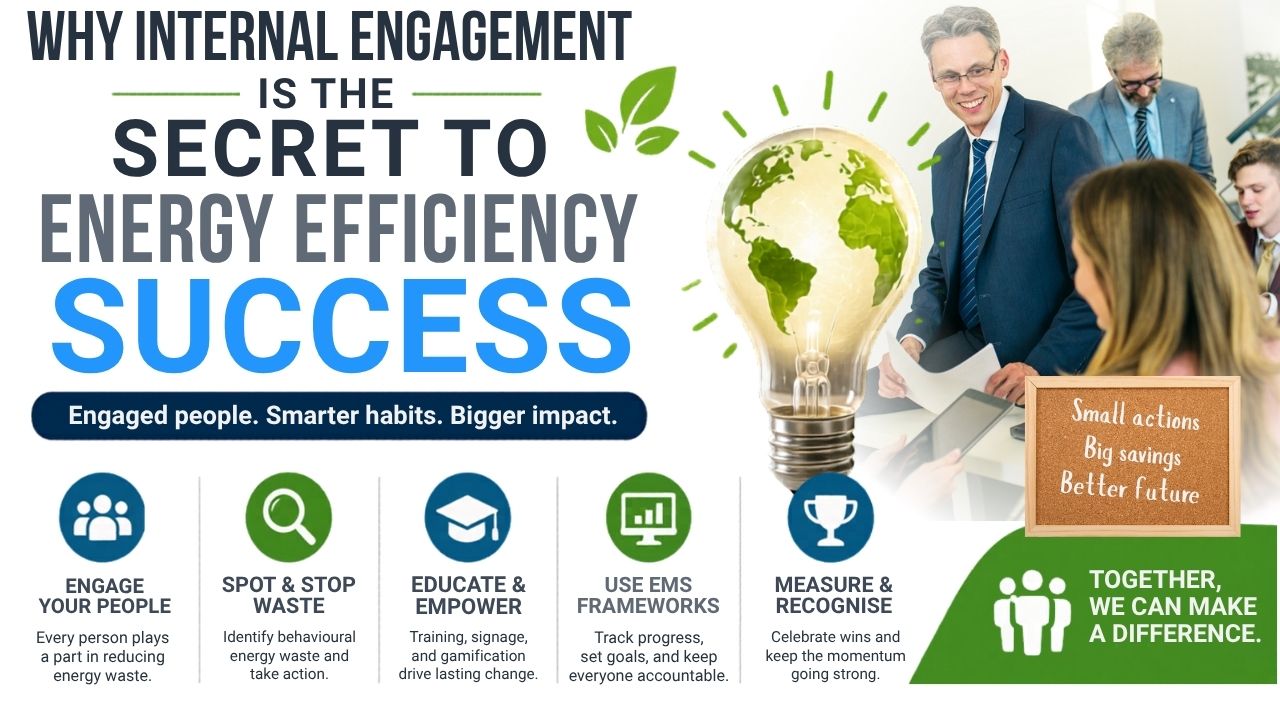
Educate employees on the principles of lifecycle thinking and how they can apply it in their roles. From design engineers to procurement specialists, everyone has a part to play in reducing lifecycle impacts.