
How to Prepare for Your Annual ISO Surveillance Audit

ISO surveillance audits can feel daunting, but with the right preparation they are a valuable chance to strengthen your management system, not just prove compliance. A surveillance audit is a periodic review by your certification body to confirm you are maintaining and improving ISO requirements. To prepare, organise key records such as internal audit reports, corrective actions, management review minutes, training logs, performance metrics, and risk assessments. Common findings include outdated documentation, weak evidence of corrective actions, and low employee awareness, so communication and a pre-audit walkthrough are essential. Approach the audit openly, then use the results to drive continual improvement.
How to Build a Project Pipeline from Your EMS

An Environmental Management System (EMS) is more than a compliance requirement, it can be a practical engine for building a focused project pipeline. By turning risk and aspect registers into improvement initiatives, and using internal audits and performance data to spot patterns, you can move from documentation to measurable action. The key is prioritising projects based on ROI, carbon impact, compliance urgency, and team capacity so the work stays realistic and aligned with business goals. Keep the pipeline alive with quarterly reviews, stakeholder input, and clear reporting that highlights savings, emissions reductions, and progress over time.
Lifecycle Thinking: The Key to Smarter Environmental Decisions
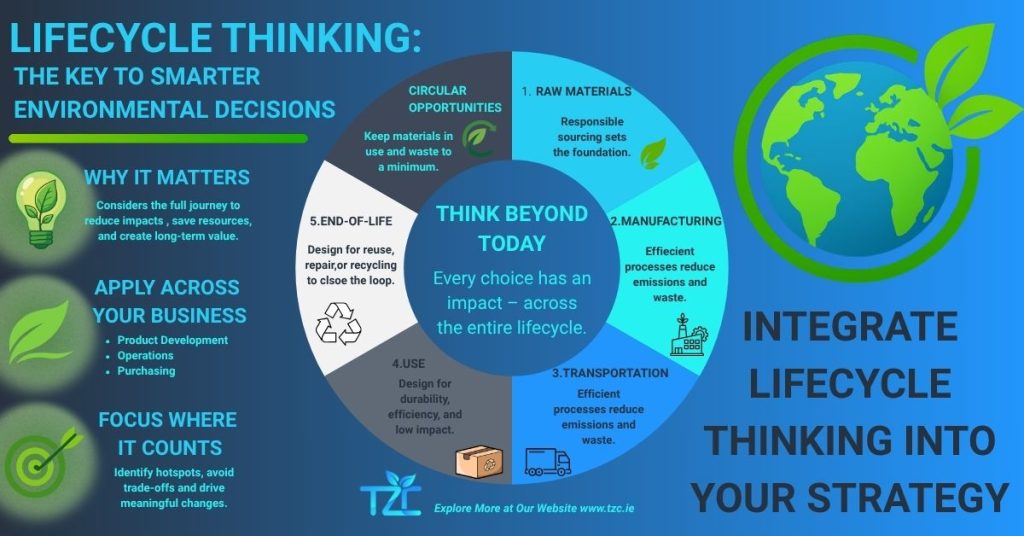
Lifecycle thinking helps businesses make smarter sustainability decisions by looking at a product or service’s full journey, from raw material extraction to end-of-life disposal or recycling. It goes beyond a formal lifecycle assessment (LCA) by acting as a mindset that highlights upstream and downstream impacts, resource use, waste, and potential trade-offs. Applied in product development, operations, and purchasing, it can guide better material choices, supplier engagement, energy decisions, and circular design. Even without a full LCA, simplified assessments can identify “hotspots” so teams can focus efforts where they will have the greatest environmental benefit.
Why Your Procurement Team Should Care About Carbon
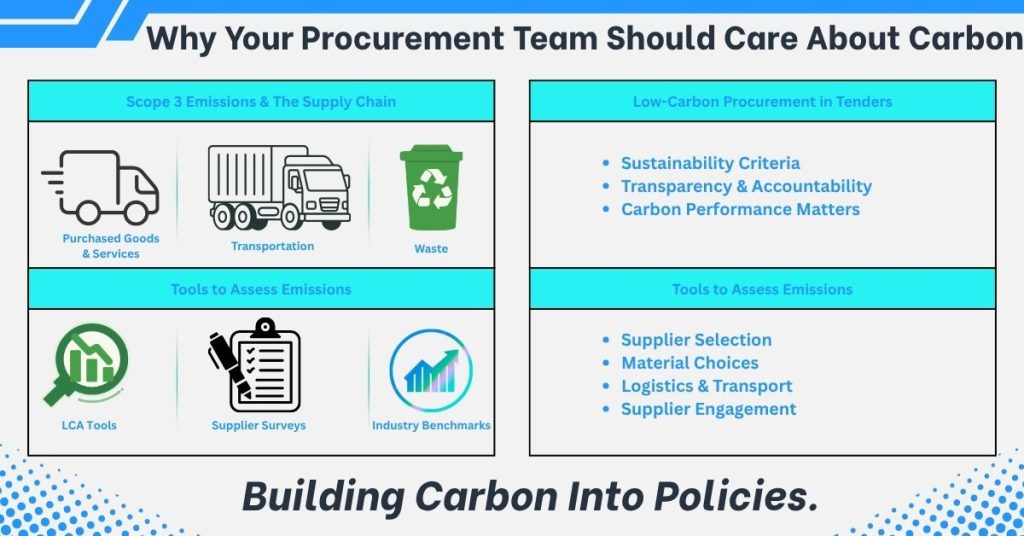
Procurement teams are no longer focused only on cost, quality, and delivery, they are now central to meeting carbon reduction goals. Much of an organisation’s footprint comes from Scope 3 emissions across the supply chain, including purchased goods, transport, and waste. That means every supplier choice, material decision, and tender requirement can either increase or reduce emissions. By adding carbon performance into sourcing criteria, using tools like life cycle assessments and supplier questionnaires, and collaborating closely with suppliers, procurement can drive measurable progress. Building carbon into purchasing policies helps make sustainability a consistent part of everyday decision-making.
How to Align ISO 14064 with the GHG Protocol
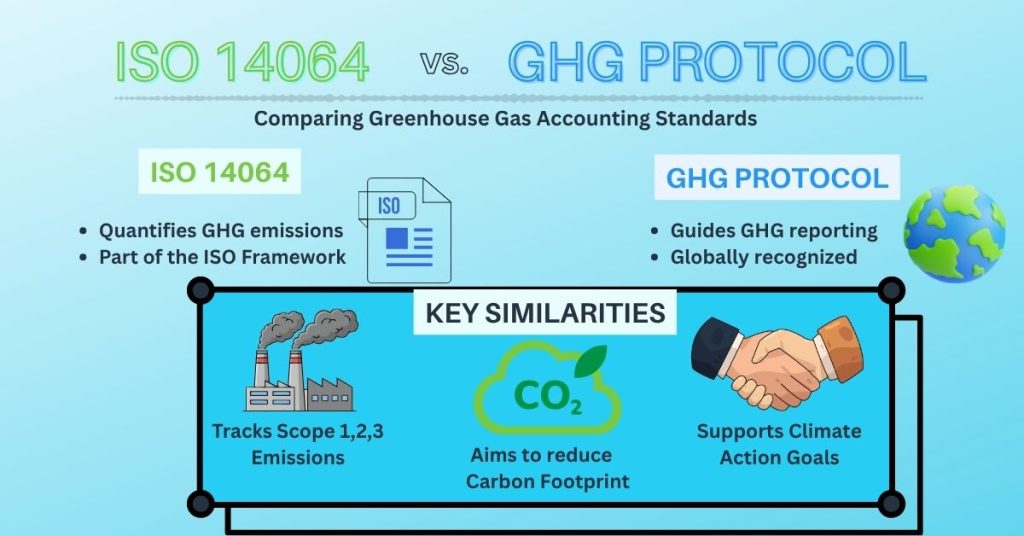
ISO 14064 and the GHG Protocol are two leading frameworks for measuring and reporting greenhouse gas emissions. While they share core principles and the same Scope 1, 2, and 3 structure, they differ in purpose, level of methodological guidance, and expectations around verification. Aligning them helps organisations produce emissions reports that are more credible, comparable, and better suited to global reporting demands. A practical hybrid approach involves mapping requirements, standardising boundaries, focusing on material issues, and using ISO 14064 verification to strengthen trust in reported data. This alignment becomes especially important for CDP disclosures, SBTi commitments, client requests, and regulatory compliance.
Understanding Materiality in Environmental and Energy Management
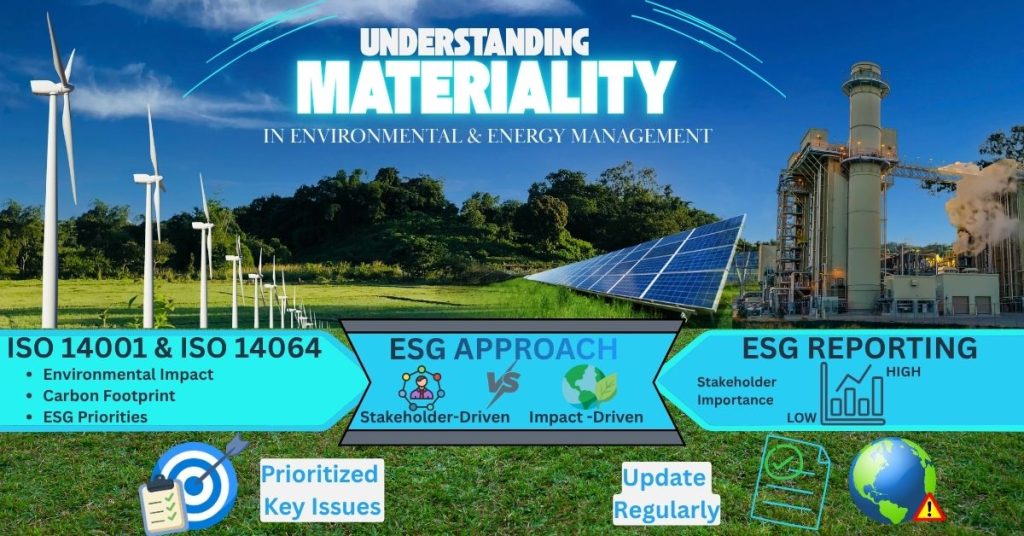
Materiality helps organisations focus their environmental and energy efforts on the ESG issues that matter most to both stakeholders and business performance. This article explains what materiality means in sustainability, how it supports ISO 14001 environmental management systems, ISO 14064 greenhouse gas accounting, and credible ESG reporting, and why it is essential for prioritising actions that deliver real impact. It also explores stakeholder-driven and impact-driven approaches, how to use tools like a materiality matrix to rank priorities, and when to revisit your assessment as regulations, operations, and risks evolve over time.
Avoiding Greenwashing: What Real Environmental Transparency Looks Like
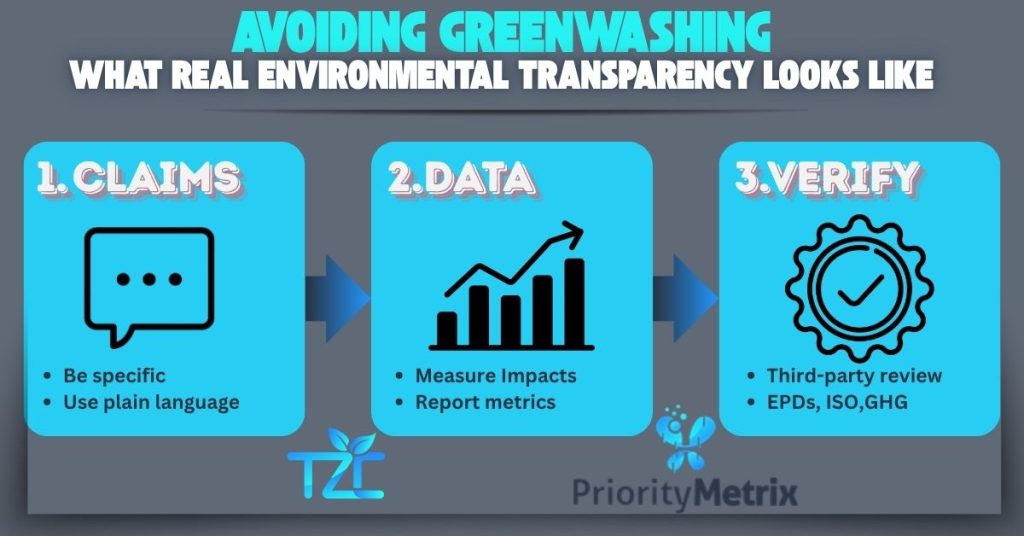
Claiming to be “green” is no longer enough. Consumers, investors, and regulators now expect clear proof, not vague promises. This post breaks down what greenwashing looks like (from fuzzy labels to unverified carbon claims) and why it damages trust. It also explains what real environmental transparency requires: specific language, measurable data, honest progress updates, and credible third-party verification such as EPDs, ISO standards, and verified GHG inventories. Finally, it highlights how data-driven systems like Environmental Management Systems can centralize tracking, automate reporting, and support continuous improvement. If you want to lead with integrity, transparency must be verifiable.
How to Conduct an Effective Internal ISO Audit
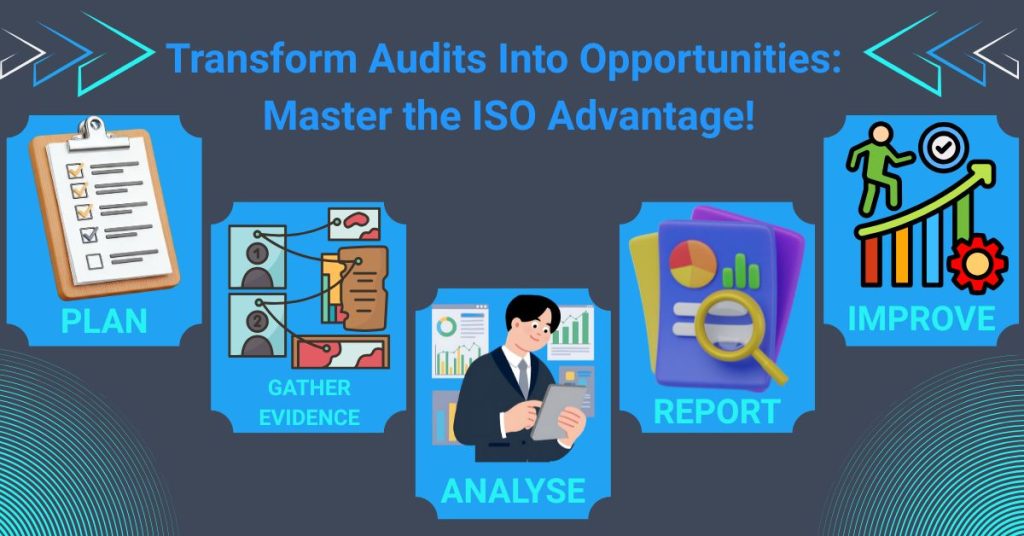
Unlock the true value of internal ISO audits with a practical, improvement-focused approach. Instead of treating audits as a box-ticking exercise, use them to uncover inefficiencies, identify risks, and drive real change. This guide walks you through every step—from planning and evidence gathering to root cause analysis, reporting, and corrective actions. Learn how to make audits less stressful and more empowering for your team by communicating their purpose, leveraging technology, and celebrating successes. Transform your audits into a strategic tool for continuous improvement, compliance, and enhanced performance across your organisation.
GHG Accounting for Multi-Site Businesses: Where to Begin
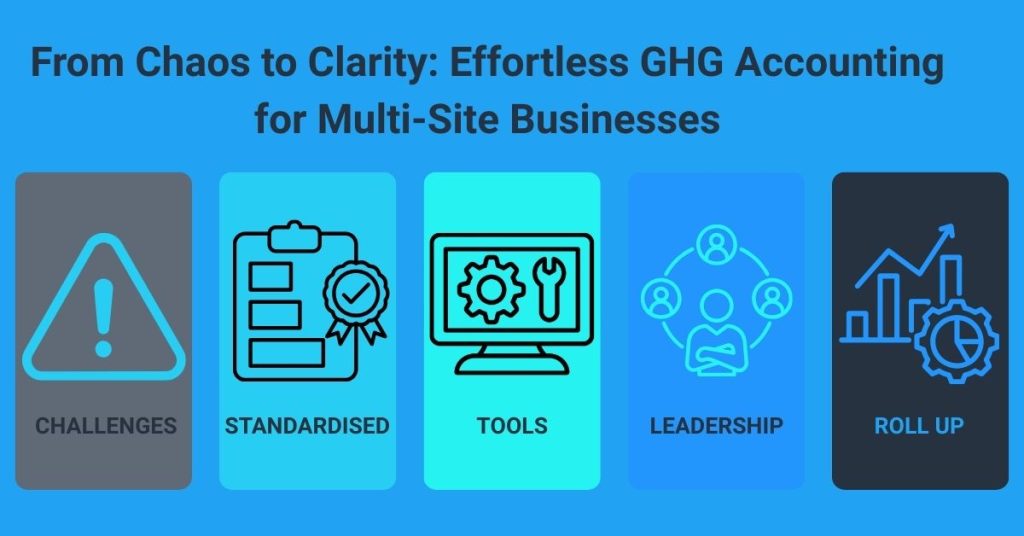
Tackling greenhouse gas (GHG) accounting across multiple business sites can feel overwhelming, but it’s essential for meeting sustainability goals and regulatory requirements. Each location may have different systems, practices, and teams, making unified reporting a challenge. This blog post breaks down the process step by step—highlighting the importance of standardising data collection, using the right tools, and fostering strong leadership. Learn how to overcome common hurdles, coordinate site inputs, and roll up data into a single, verified inventory. With the right approach, you can transform complex, scattered data into actionable insights and drive meaningful progress toward a greener future.
Setting Emission Reduction Targets That Actually Work
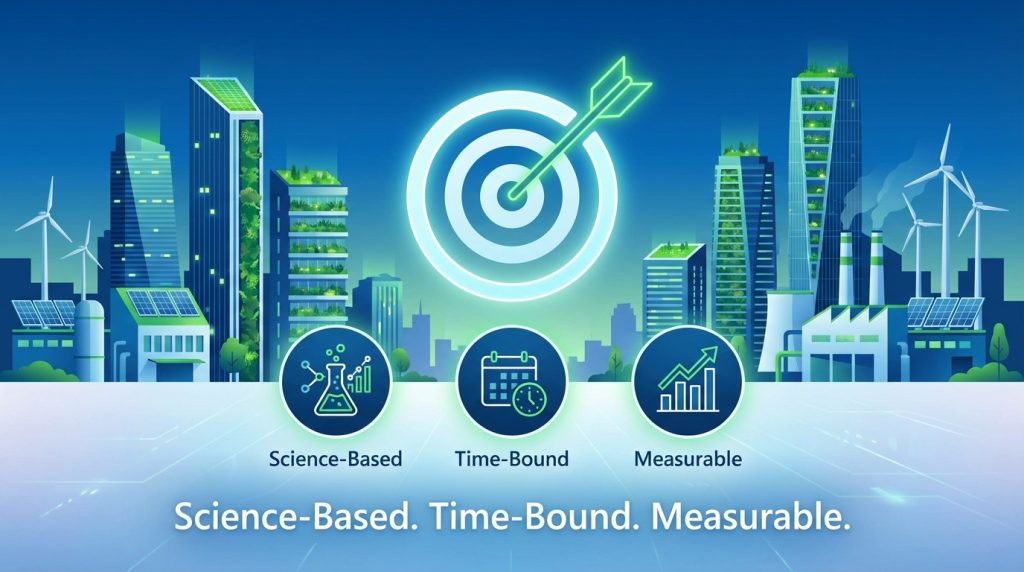
Setting credible emission reduction targets is essential for effective climate action. The most impactful targets are science-based, time-bound, and measurable—aligned with frameworks like the Science Based Targets initiative (SBTi) or ISO 14064. Avoid vague or overly ambitious goals and always establish a clear baseline for tracking progress. A robust roadmap should identify key emission sources, set interim milestones, define specific actions, allocate resources, and monitor progress with reliable data. Embedding targets into your organisation’s culture through clear communication, team engagement, and celebrating milestones ensures buy-in and drives real, measurable progress toward meaningful climate action.