An environmental aspect register is a cornerstone of any effective Environmental Management System (EMS) under ISO 14001. It’s more than just a compliance document, it’s a practical tool to identify, assess, and act on the environmental impacts of your organisation. Done right, it helps prioritise meaningful action rather than creating unnecessary paperwork. But what makes an aspect register truly effective? Let’s explore its purpose, common pitfalls, and best practices for building one that drives real improvement.
Purpose of an Aspect Register Under ISO 14001
At its core, an environmental aspect register is designed to help organisations systematically identify and manage their interactions with the environment. Under ISO 14001, this register serves as a foundation for setting objectives, allocating resources, and ensuring compliance with legal and other requirements.
The register captures environmental aspects (activities, products, or services that interact with the environment) and evaluates their significance. For example, a manufacturing plant might list aspects like energy use, emissions, waste generation, and water consumption. By assessing the significance of these aspects, the organisation can focus on the most critical areas for improvement.
In short, the aspect register is a decision-making tool. It provides clarity on where to direct efforts, ensuring that environmental management is both effective and aligned with organisational goals.
Common Pitfalls to Avoid
Despite its importance, many organisations struggle to create a useful aspect register. Here are three common pitfalls to watch out for:
1. Being Too Vague
A vague register lacks the detail needed to drive action. For example, listing “energy use” without specifying which processes or equipment consume energy makes it hard to pinpoint improvement opportunities. A good register breaks aspects down into manageable, actionable components.
2. Being Too Long
On the flip side, some registers are overly detailed, listing every minor interaction with the environment. While thoroughness is important, an excessively long register can overwhelm teams and dilute focus. The goal is to strike a balance by being comprehensive yet concise.
3. Being Disconnected
A register that doesn’t align with the organisation’s operations or objectives is unlikely to be effective. For instance, if the register lists aspects that aren’t relevant to day-to-day activities, it becomes a box-ticking exercise rather than a tool for improvement.
Avoiding these pitfalls requires a clear process for identifying and evaluating aspects, as well as a commitment to keeping the register practical and relevant.
How to Identify Aspects and Assess Significance
Creating a strong aspect register starts with a structured approach to identifying and evaluating aspects. Here’s how to do it.
Step 1: Map Your Activities, Products, and Services
Begin by listing all the activities, products, and services within your organisation. Consider every stage of your operations, from procurement to production to delivery. For example, a food processing company might map activities like raw material sourcing, packaging, and distribution.
Step 2: Identify Environmental Interactions
For each activity, product, or service, identify how it interacts with the environment. These interactions could include resource use (e.g., energy, water), emissions (e.g., greenhouse gases, air pollutants), waste generation, or impacts on biodiversity.
Step 3: Evaluate Significance
Once you’ve identified aspects, assess their significance. This involves considering factors like:
- Magnitude: How big is the impact? For example, a factory’s energy use might be a major contributor to greenhouse gas emissions.
- Frequency: How often does the aspect occur? A daily process may have a higher significance than a rare event.
- Legal and Regulatory Requirements: Are there laws or permits governing the aspect? Non-compliance risks elevate significance.
- Stakeholder Concerns: Does the aspect matter to customers, employees, or the community?
By scoring or ranking aspects based on these criteria, you can prioritise the most significant ones for action.
Examples of Environmental Aspects
To bring this process to life, let’s look at some examples across key areas:
Energy
- Aspect: Electricity consumption in manufacturing equipment.
- Significance: High due to cost, carbon footprint, and potential for efficiency improvements.
- Action: Implement energy audits and upgrade to energy-efficient machinery.
Emissions
- Aspect: CO2 emissions from company vehicles.
- Significance: Moderate, depending on fleet size and fuel type.
- Action: Transition to electric or hybrid vehicles and optimise routes.
Waste
- Aspect: Packaging waste from product shipments.
- Significance: High if waste is non-recyclable or contributes to landfill.
- Action: Redesign packaging to use recyclable materials and reduce volume.
Water
- Aspect: Water use in cooling systems.
- Significance: High in water-scarce regions or where water costs are significant.
- Action: Install water recycling systems and monitor usage.
These examples show how a well-structured register can highlight opportunities for improvement and guide practical actions.
Using the Register to Guide Action and Improvement
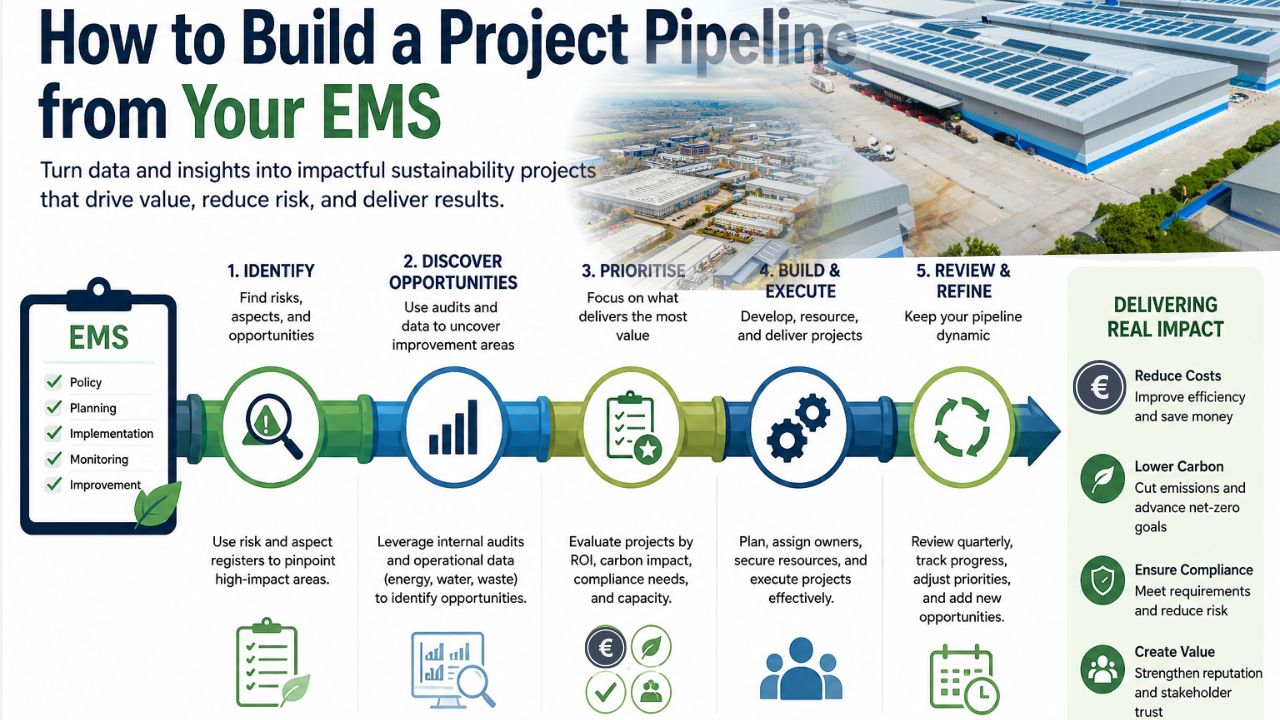
A good aspect register doesn’t just sit on a shelf—it’s a living document that drives continuous improvement. Here’s how to use it effectively:
1. Set Objectives and Targets
Use the register to identify areas for improvement and set measurable goals. For instance, if energy use is a significant aspect, a target might be to reduce consumption by 10% within a year.
2. Allocate Resources
Focus resources on the most significant aspects. This ensures that time, money, and effort are directed where they’ll have the greatest impact.
3. Monitor and Review
Regularly update the register to reflect changes in operations, regulations, or stakeholder expectations. Monitoring progress against objectives helps ensure the EMS remains effective.
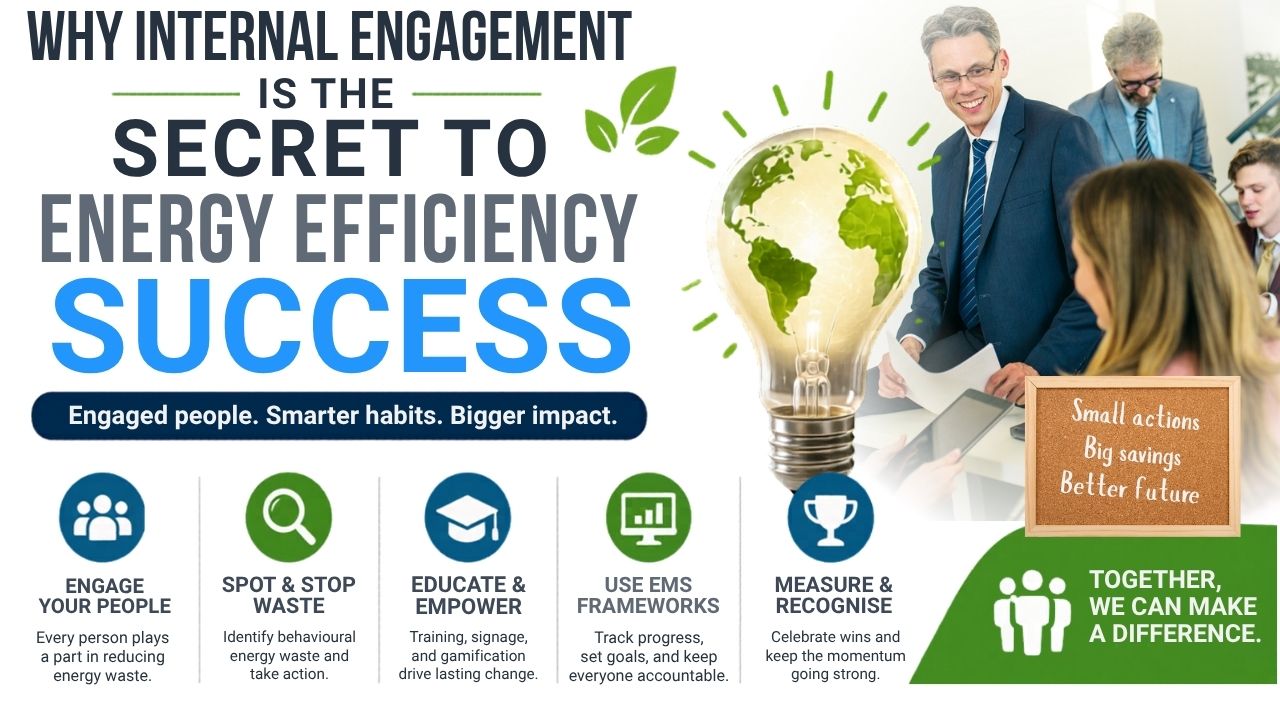
4. Engage Employees
Share the register with employees and involve them in identifying and addressing aspects. Their insights can uncover opportunities for improvement that might otherwise be missed.
By integrating the register into day-to-day operations, organisations can move beyond compliance to achieve real environmental and business benefits.
Conclusion
A strong environmental aspect register is the backbone of ISO 14001. It provides a clear, structured way to identify and manage environmental impacts, helping organisations prioritise action and drive improvement. By avoiding common pitfalls, following a structured process, and using the register as a practical tool, you can turn it into a powerful asset for your EMS.
Always remember, the goal isn’t just to tick a box, it’s to make a real difference. With a well-crafted aspect register, your organisation can reduce its environmental footprint, meet stakeholder expectations, and build a more sustainable future.
Recommended Keywords:
- ISO 14001
- environmental aspect register
- environmental management system
- environmental aspects
- significance assessment
- energy use
- emissions reduction
- waste management
- water conservation
- continuous improvement