Toward Zero Carbon

Articles

Cartoon image of a team completing a checklist
Energy
Energy Audits 101: Spot Hidden Waste & Slash Consumption

Unlock hidden savings and boost your bottom line with an energy audit. In today’s industrial world, energy efficiency is essential—not just for cost control, but for sustainability too. An energy audit systematically reviews your facility’s energy use, pinpointing waste in areas like lighting, HVAC, and equipment. From quick walk-throughs to investment-grade deep dives, audits reveal actionable steps to cut consumption and improve ROI. By prioritising recommendations, setting clear goals, and engaging your team, you can turn audit insights into real results. Regular audits ensure ongoing efficiency, compliance, and a path toward a greener, more profitable future.

Environment
The CO₂ Performance Ladder: Your Secret Weapon for Green Tenders

The CO₂ Performance Ladder is a powerful sustainability certification system that helps organisations measure, manage, and reduce their carbon emissions. Originally developed in the Netherlands, it’s now a key differentiator for companies bidding on public contracts, especially in sectors like construction and logistics. With five progressive levels, the Ladder encourages continuous improvement and supply chain engagement. Certification not only supports ESG goals and public procurement requirements but also delivers real business benefits—helping you win more tenders, cut costs, and enhance your reputation. Embracing the Ladder positions your organization as a leader in sustainability and future-proofs your business.

Environment
ISO 14064 vs. the GHG Protocol: Which Carbon Standard Is Right for You?

When choosing between ISO 14064 and the GHG Protocol for carbon accounting, consider your organisation’s size, goals, and industry. ISO 14064 offers a structured, certifiable approach ideal for large enterprises or regulated sectors seeking formal recognition and rigorous reporting. The GHG Protocol, favored for its flexibility and accessibility, is well-suited for small and medium-sized businesses and those new to emissions tracking, especially with its detailed guidance on Scope 3 emissions. Both frameworks are globally recognised and credible. The best choice depends on your need for certification, experience level, and the complexity of your value chain and sustainability objectives.

Energy
How to Set Effective Energy Performance Indicators (EnPIs)

Energy Performance Indicators (EnPIs) are vital for organisations striving to boost energy efficiency and achieve sustainability goals. As the backbone of ISO 50001 energy management systems, EnPIs transform raw energy data into actionable insights, enabling consistent tracking, identification of inefficiencies, and data-driven decision-making. By selecting the right types of EnPIs—absolute, relative, or specific metrics—and applying appropriate baselines and normalisation factors, organisations can ensure their energy performance is measured accurately. With the help of automation and visualisation tools, managing EnPIs becomes seamless, empowering teams to demonstrate real improvements, justify investments, and stay ahead in energy management.

Environment
ISO 14001 Doesn’t Have to Be Boring: How to Make Environmental Management Actually Useful

ISO 14001 doesn’t have to be a burden of paperwork and audits. When approached correctly, it becomes a flexible framework for managing environmental impacts and driving real business value. The key is to simplify processes—focus on the most significant environmental aspects, use straightforward assessments, and integrate the Environmental Management System (EMS) into daily operations. By involving your team, leveraging existing workflows, and using digital tools, ISO 14001 becomes part of your company culture. The result? Cost savings, better risk management, competitive advantage, and higher employee engagement. Keep it lean and relevant, and ISO 14001 can truly benefit both your business and the planet.

Energy
The ISO 50001 Blueprint: What It Actually Takes to Build an Energy Management System

ISO 50001 is a globally recognised standard that provides a structured framework for building an effective Energy Management System (EnMS). Rather than relying on guesswork, ISO 50001 helps organisations turn energy management into a strategic, measurable process. The standard is not a quick fix or a one-size-fits-all solution; instead, it embeds energy management into everyday operations and long-term planning.

Key components of ISO 50001 include establishing a clear energy policy, defining energy performance indicators (EnPIs), conducting regular energy audits, and implementing actionable plans. Certification goes beyond compliance, offering tangible benefits such as significant cost savings, improved reputation, and a culture of continuous improvement.

However, successful implementation requires strong leadership commitment, practical processes, employee engagement, and a focus on accurate data. By following the ISO 50001 blueprint, organisations can achieve consistent savings, reduce emissions, and build a more resilient business.

Energy
Smart Energy Starts Here: Why Monitoring Is Step One in Every Sustainability Journey

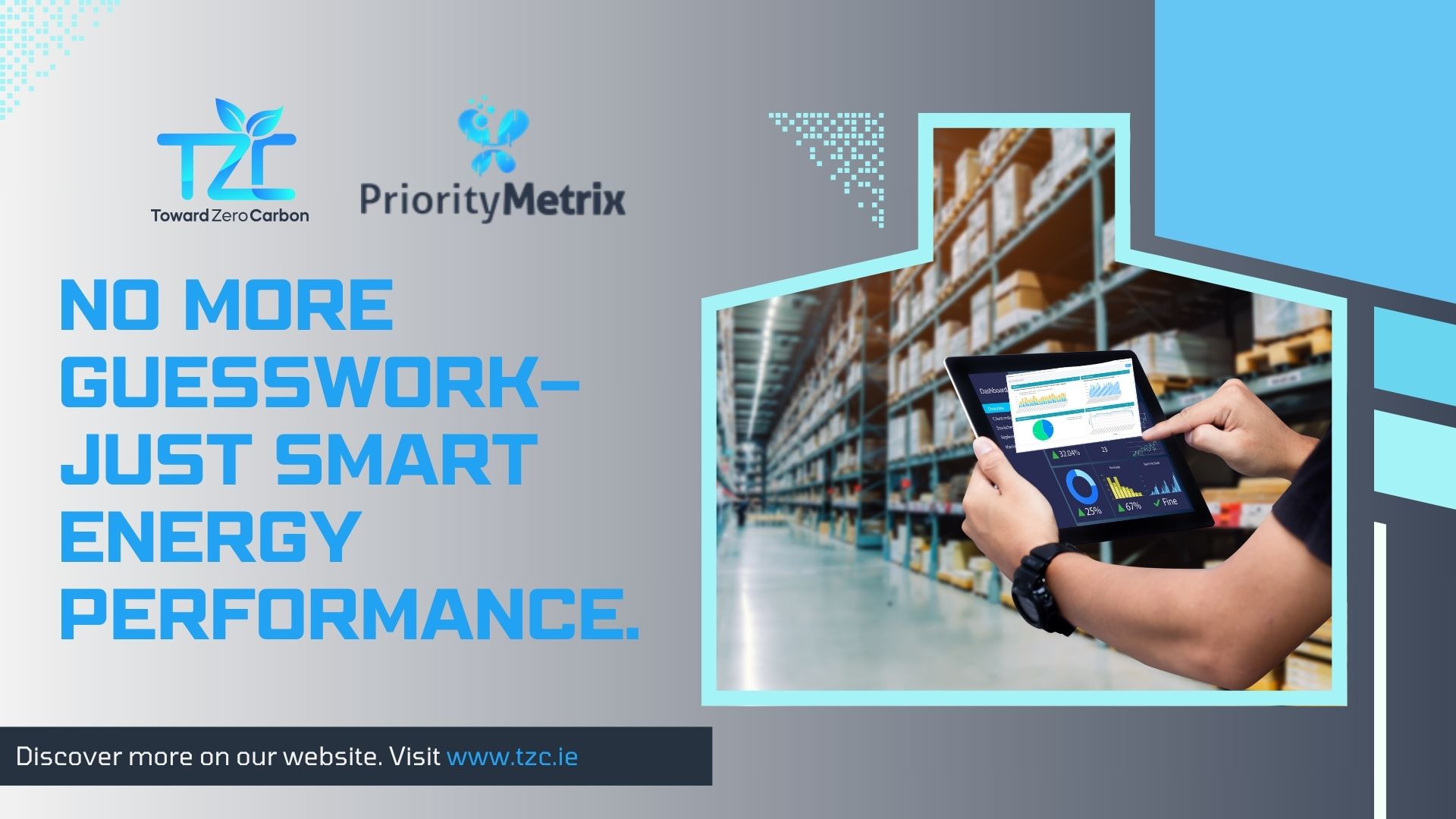
Energy monitoring is the first step in any sustainability journey. Without measuring energy use, businesses risk inefficiencies, missed savings, and falling short of carbon reduction goals. Monitoring provides the data needed to uncover waste, identify patterns, and make informed decisions. Tools like energy dashboards transform raw data into actionable insights, while automated controls optimise operations in real time. Starting small, setting clear goals, and using the right tools—like Priority Metrix—can help businesses cut costs, reduce emissions, and achieve decarbonisation targets. Ready to take control of your energy data? Let’s talk and explore your options today.