In today’s competitive industrial landscape, energy efficiency isn’t just a buzzword—it’s a necessity. Rising energy costs and sustainability goals are pushing businesses to rethink how they consume energy. Enter the energy audit: a powerful tool to uncover hidden inefficiencies, reduce waste, and improve your bottom line. But what exactly does an energy audit involve, and how can you turn it into actionable results? Let’s break it down.
What an Energy Audit Really Includes
An energy audit is a systematic process of evaluating how energy flows through your facility. It identifies where energy is being used efficiently and where it’s being wasted. Think of it as a health check for your energy systems.
The process typically includes:
- Data Collection: Gathering utility bills, equipment specs, and operational schedules.
- Site Inspection: Walking through the facility to observe equipment, lighting, HVAC systems, and production processes.
- Analysis: Using software and engineering calculations to assess energy use patterns.
- Recommendations: Providing a detailed report with actionable steps to optimise energy consumption.
The goal? To pinpoint inefficiencies and recommend cost-effective solutions that align with your operational needs.
Types of Energy Audits
Not all energy audits are created equal. Depending on your goals and budget, you can choose from three main types:
1. Walk-Through Audit
This is the most basic type of audit. It involves a quick inspection of your facility to identify obvious energy-saving opportunities, such as outdated lighting or poorly insulated areas. While it’s cost-effective, it doesn’t provide in-depth analysis.
Best for: Facilities looking for low-hanging fruit or a starting point for energy efficiency.
2. Detailed Audit
A step up from the walk-through, this audit includes a more thorough analysis of energy use. It involves metering equipment, reviewing operational data, and calculating potential savings from various upgrades.
Best for: Businesses ready to invest in specific energy-saving projects.
3. Investment-Grade Audit (IGA)
The most comprehensive option, an IGA provides a deep dive into your energy systems. It includes detailed financial modeling to justify capital investments in energy efficiency. This type of audit is often required for securing funding or loans for large-scale projects.
Best for: Facilities seeking long-term ROI and significant energy savings.
Common Areas of Waste in Industrial Facilities
Energy waste can hide in plain sight. Here are some of the most common culprits in industrial settings:
- Inefficient Lighting: Outdated fixtures and poor lighting design can drain energy unnecessarily.
- Compressed Air Leaks: Even small leaks in compressed air systems can lead to significant energy loss over time.
- Oversized Equipment: Using equipment that’s too large for the job wastes energy and increases maintenance costs.
- Poor Insulation: Heat loss through walls, roofs, and pipes can drive up heating and cooling expenses.
- Idle Equipment: Machines running when not in use consume energy without adding value.
- Outdated HVAC Systems: Inefficient heating, ventilation, and air conditioning systems are a major source of waste.
By addressing these issues, you can significantly reduce energy consumption and improve operational efficiency.
How to Turn Audit Results Into Action
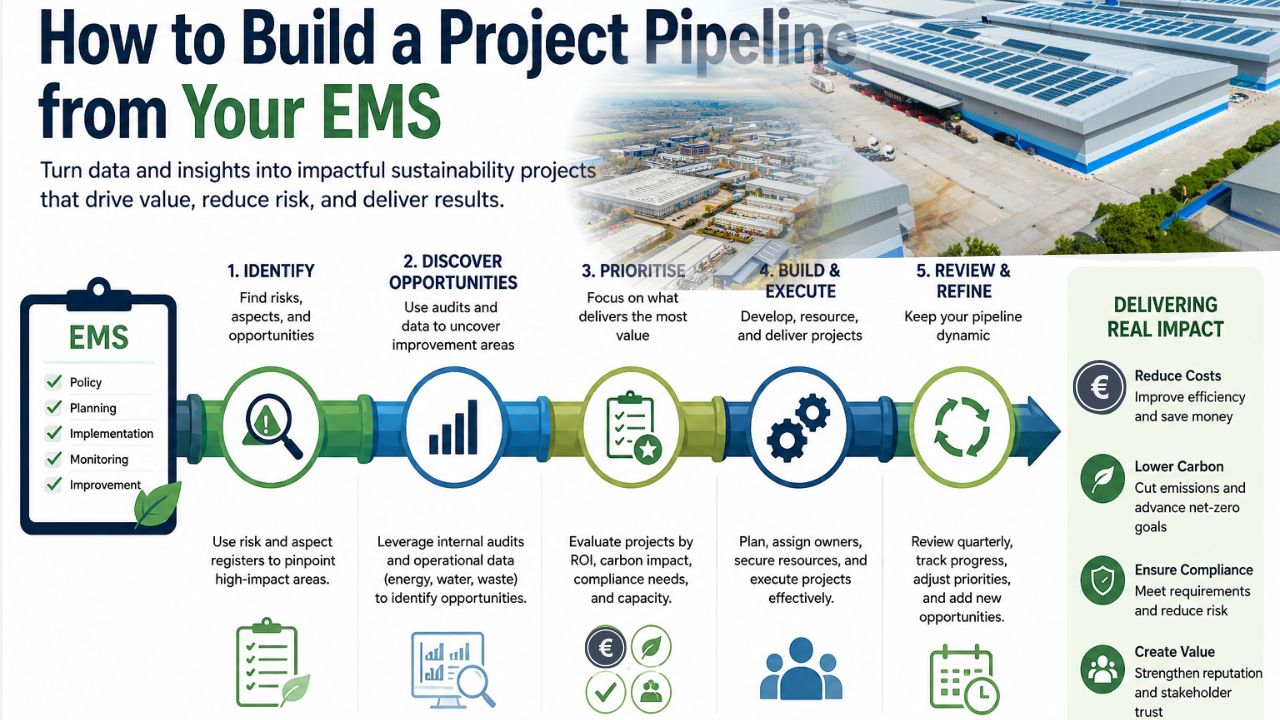
An energy audit is only as valuable as the actions you take afterward. Here’s how to turn insights into measurable results:
Prioritise Recommendations
- Not all energy-saving measures are created equal. Focus on quick wins (low-cost, high-impact changes) first, such as upgrading to LED lighting or fixing air leaks. Then, plan for larger investments like equipment upgrades.
Set Clear Goals
- Define what success looks like. Are you aiming to reduce energy costs by 20%? Cut carbon emissions? Use these goals to guide your decisions.
Develop an Action Plan
- Break down recommendations into actionable steps with timelines, budgets, and assigned responsibilities. For example, schedule regular maintenance for HVAC systems or install energy monitoring tools.
Monitor Progress
- Use energy management software to track improvements and ensure savings are realised. Regularly review your energy data to identify new opportunities for efficiency.
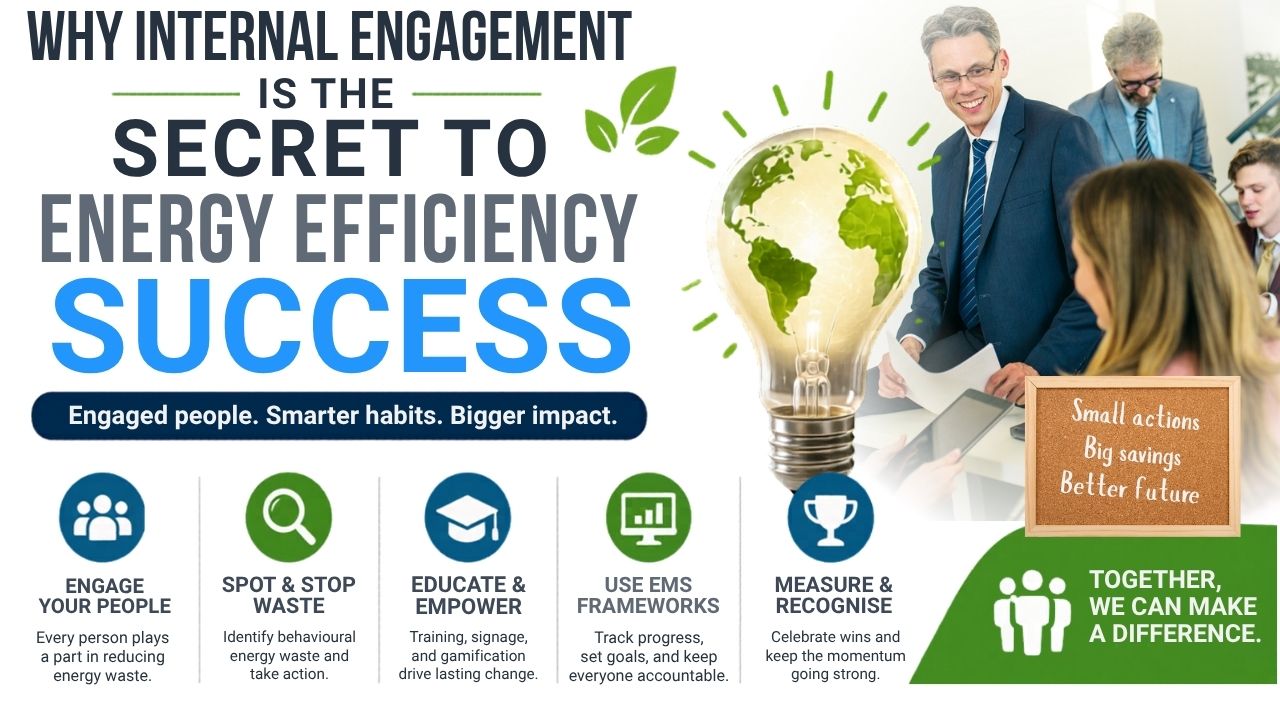
Engage Your Team
- Involve employees in energy-saving initiatives. Provide training on best practices and encourage them to report inefficiencies.
When and Why to Audit Regularly
Energy audits aren’t a one-and-done task. Regular audits ensure you stay on top of energy trends and evolving operational needs. Here’s why and when you should schedule them:
Before launching a sustainability initiative or applying for green certifications.
Why Audit Regularly?
Catch new inefficiencies as equipment ages or processes change.
Validate the success of past energy-saving measures.
Stay compliant with regulations or sustainability goals.
Identify opportunities to adopt new technologies.
When to Audit?
Every 3-5 years for most facilities.
After major operational changes, such as equipment upgrades or process overhauls.
When energy costs spike unexpectedly.
Before launching a sustainability initiative or applying for green certifications.
Conclusion
An energy audit isn’t just a report—it’s a roadmap to smarter operations and significant cost savings. By identifying hidden waste and implementing targeted solutions, you can slash energy consumption, improve ROI, and contribute to a more sustainable future. Whether you’re an engineering lead or part of a finance team, investing in regular energy audits is a strategic move that pays dividends.
Recommended Keywords:
- Energy audit
- Energy efficiency
- Industrial energy savings
- Compressed air leaks
- HVAC optimisation
- Energy management
- Sustainability in manufacturing
- Investment-grade audit
- Energy cost reduction
- Operational efficiency