When it comes to energy efficiency, many businesses assume they need a hefty budget to make a meaningful impact. But the truth is, you don’t need deep pockets to start saving energy and cutting costs. Small, low-cost actions can deliver real results, helping you build momentum and prove the value of energy-saving initiatives. Here’s how to get started.
What Counts as a Low-Cost or No-Cost Measure?
Low-cost or no-cost measures are simple actions or adjustments that require minimal investment but can lead to noticeable energy savings. These measures often involve optimising existing systems, changing behaviours, or tweaking operational practices. They don’t require expensive equipment or major overhauls, making them an ideal starting point for businesses beginning their energy journey.
The key is to focus on actions that are easy to implement and offer a quick return on investment. These measures not only save money but also demonstrate the potential of energy efficiency to your team, stakeholders, and leadership.
Examples of Low-Cost Energy-Saving Actions
Here are some practical examples of low-cost or no-cost measures that can make a big difference:
1. Behavior Change
- Encourage employees to turn off lights, computers, and other equipment when not in use.
- Promote energy-conscious habits, such as closing doors to maintain heating or cooling efficiency.
- Share energy-saving tips through internal communications to keep awareness high.
2. Scheduling
- Adjust operating schedules to align with actual usage patterns. For example, ensure HVAC systems run only during occupied hours.
- Use timers or programmable settings to automatically power down equipment after hours.
3. Controls
- Optimise existing controls, such as thermostats or lighting sensors, to reduce unnecessary energy use.
- Implement occupancy sensors in low-traffic areas like restrooms or storage rooms.
4. Setpoints
- Review and adjust temperature setpoints for heating and cooling systems. Even a 1°C adjustment can lead to significant savings.
- Ensure water heaters are set to an appropriate temperature to avoid excessive energy consumption.
These actions may seem small, but their cumulative impact can be substantial, especially in larger facilities or multi-site operations.
Quick Wins vs. Strategic Upgrades
Low-cost measures are often referred to as “quick wins” because they deliver immediate results with minimal effort. However, it’s important to differentiate between these quick wins and larger, strategic upgrades.
Quick wins are about making the most of what you already have. They’re an excellent way to demonstrate the value of energy efficiency and build confidence in your approach. For example, reducing unnecessary lighting or adjusting HVAC schedules can show measurable savings within weeks or months.
Strategic upgrades, on the other hand, require more planning and investment. These might include installing energy-efficient equipment, upgrading insulation, or integrating renewable energy systems. While these projects deliver greater long-term benefits, they often need a stronger business case to secure funding.
By starting with quick wins, you can lay the groundwork for these larger projects. Proving the value of energy efficiency through small actions can help you gain buy-in from decision-makers and secure the resources needed for strategic upgrades.
Using Low-Cost Actions to Build Momentum
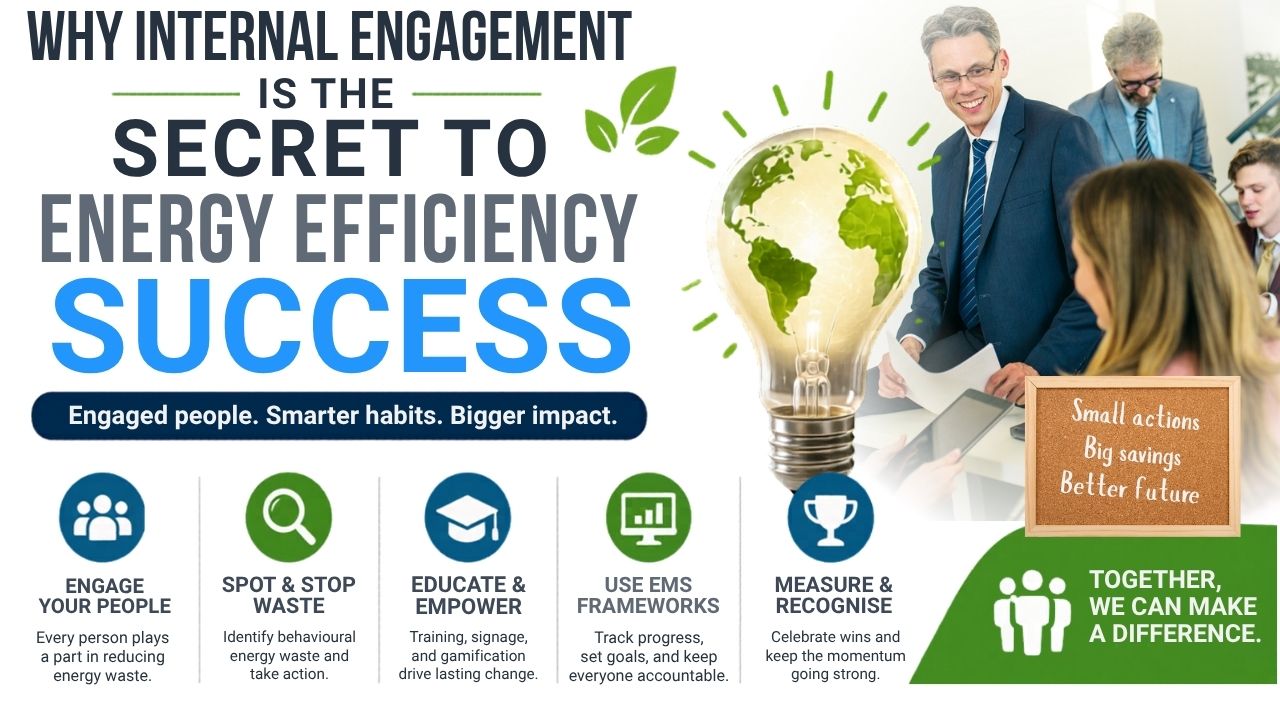
One of the biggest advantages of low-cost measures is their ability to build momentum. When employees and stakeholders see tangible results, they’re more likely to support further initiatives. Here’s how to use quick wins to drive long-term success:
- Track and Share Results
- Measure the impact of your low-cost actions and share the results with your team. Highlight cost savings, energy reductions, and environmental benefits to keep everyone motivated.
- Celebrate Successes
- Recognise and reward employees who contribute to energy-saving efforts. This could be as simple as a shoutout in a team meeting or a small incentive for achieving specific goals.
- Engage Stakeholders
- Use the success of quick wins to engage leadership and stakeholders. Present the data to show how small actions can lead to big savings, making the case for larger investments.
- Create a Culture of Efficiency
Embed energy efficiency into your company culture by making it a shared responsibility. Encourage employees to suggest ideas for saving energy and involve them in decision-making.
Embedding Quick Wins into EMS Action Plans
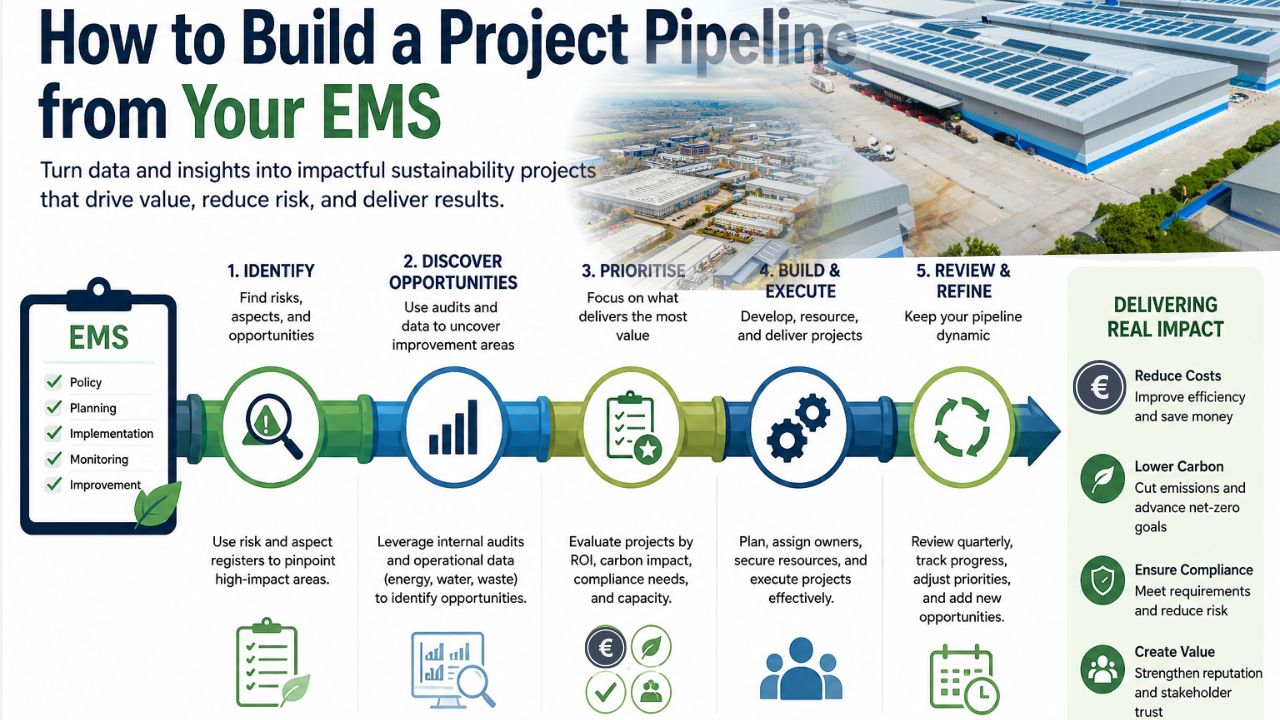
An Energy Management System (EMS) is a powerful tool for driving energy efficiency. By incorporating low-cost actions into your EMS action plan, you can ensure these measures are part of a structured, ongoing approach. Here’s how:
- Identify Opportunities
- Conduct an energy audit or walk-through to identify areas where low-cost actions can be implemented.
- Set Clear Goals
- Define specific, measurable goals for your quick wins, such as reducing energy use by a certain percentage or cutting costs by a specific amount.
- Assign Responsibilities
- Designate team members to oversee the implementation of low-cost measures and track progress.
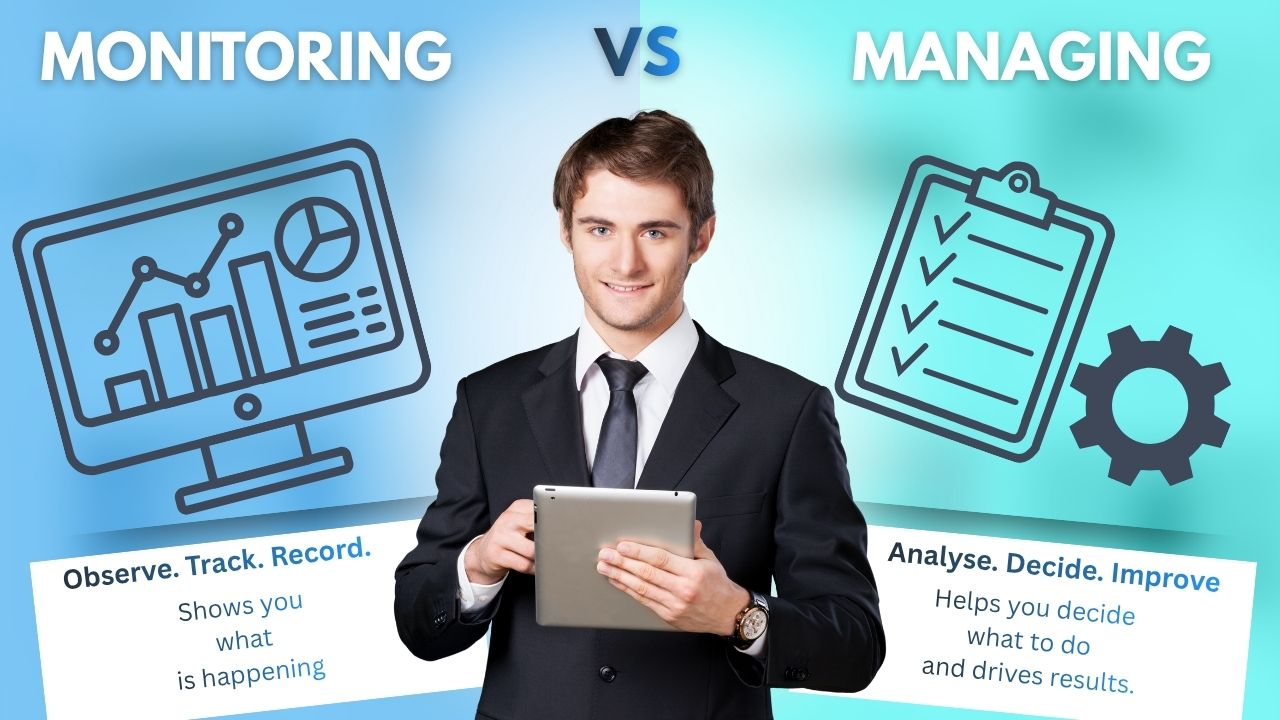
- Monitor and Adjust
- Regularly review the impact of your actions and make adjustments as needed to maximise savings.
Embedding quick wins into your EMS action plan not only ensures they’re implemented consistently but also helps you build a strong foundation for future energy-saving initiatives.
Start Small, Prove Value, Then Scale
The journey to energy efficiency doesn’t have to start with a massive investment. By focusing on low-cost actions, you can make a meaningful impact while building the case for larger projects. Start small, track your progress, and use your success to scale up over time.
Remember, every step you take toward energy efficiency brings you closer to reducing costs, improving sustainability, and achieving your business goals. So don’t wait, start with what you can do today, and watch the savings add up.