An Energy Management System (EnMS) is more than a compliance tool—it’s a performance engine that drives cost savings, reduces emissions, and simplifies energy management. But what separates a good EMS from a great one? Let’s break it down into key components, how it aligns with business goals, and how digital tools and standards integration can elevate its performance.
Key Ingredients of a Great EMS
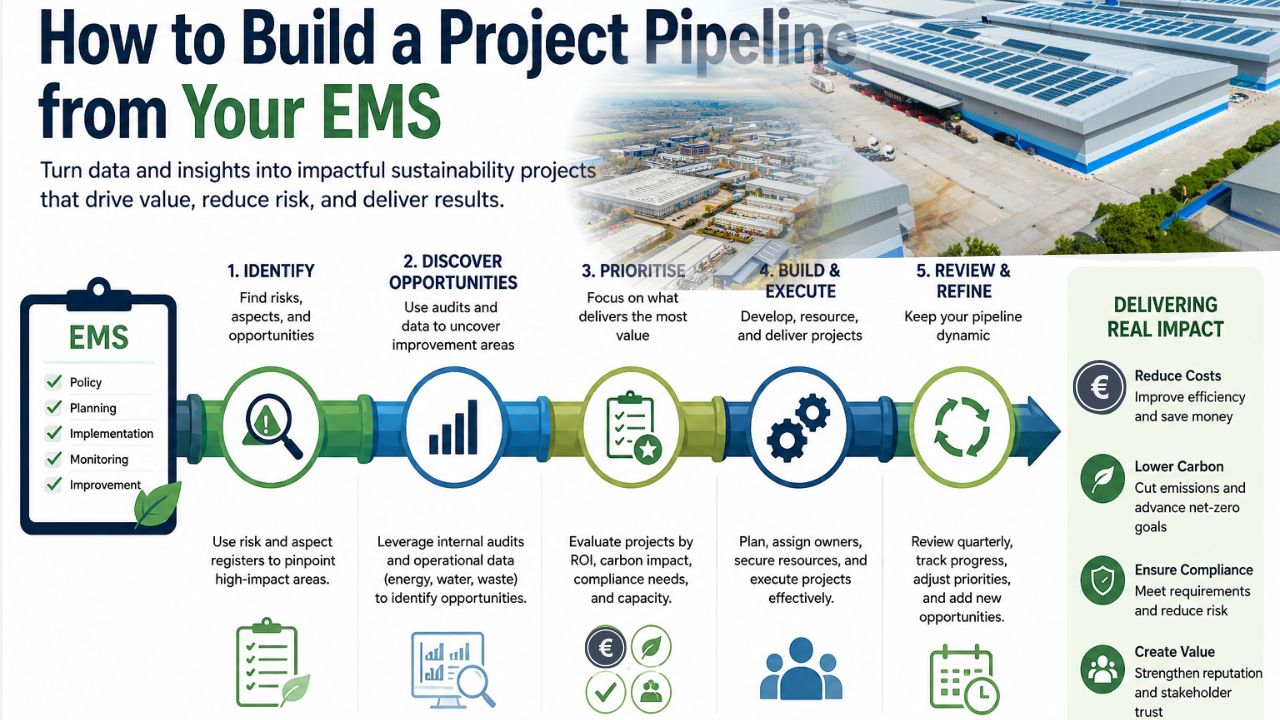
A great EMS is built on four essential pillars: policy, data, action plans, and review loops. Each plays a critical role in ensuring the system delivers measurable results.
Policy
A strong EnMS starts with a clear, actionable energy policy. This policy should outline your organisation’s energy goals, commitment to sustainability, and strategies for achieving them. It’s the foundation that guides decision-making and ensures alignment with broader business objectives.
Data
Accurate, real-time data is the backbone of any EnMS. Without reliable data, it’s impossible to identify inefficiencies, track progress, or make informed decisions. A great EnMS leverages advanced monitoring tools to collect and analyse energy usage data across all operations.
Action Plans
Data alone isn’t enough—it needs to drive action. A great EMS translates insights into concrete action plans. These plans should prioritise energy-saving opportunities, assign responsibilities, and set clear timelines for implementation.
Review Loops
Continuous improvement is key. Regularly reviewing and refining your EMS ensures it stays effective and adapts to changing needs. This includes tracking performance against targets, identifying new opportunities, and incorporating lessons learned.
Aligning EMS with Business Goals
An EnMS isn’t just about energy—it’s about supporting your organisation’s broader goals. Whether it’s cutting costs, meeting sustainability targets, or enhancing operational efficiency, a great EnMS aligns with and amplifies these objectives.
For example, reducing energy waste directly lowers operational costs, freeing up resources for other priorities. Similarly, demonstrating a commitment to sustainability can enhance your brand reputation and help attract eco-conscious customers or investors. By integrating energy management into your overall strategy, you ensure it delivers value beyond compliance.
How Digital Tools Elevate EMS Performance
Digital tools are transforming the way organisations manage energy. From smart sensors to AI-powered analytics, technology can take your EnMS to the next level.
Real-Time Monitoring
- Digital tools provide instant visibility into energy usage, helping you spot inefficiencies as they happen. This enables faster decision-making and more proactive management.
Predictive Analytics
- Advanced analytics can predict future energy needs based on historical data and trends. This helps you optimise energy use and avoid costly overconsumption.
Automation
- Automating routine tasks, like adjusting HVAC settings or scheduling equipment downtime, reduces human error and ensures consistent performance.
Centralised Platforms
- A unified platform that integrates all energy data and tools simplifies management and improves collaboration across teams.
By leveraging these technologies, you can enhance the accuracy, efficiency, and scalability of your EMS.
Integration with ISO Standards
A great EnMS doesn’t operate in isolation—it aligns with recognised standards like ISO 50001. This international standard provides a framework for establishing, implementing, maintaining, and improving energy management systems.
ISO 50001 integration ensures your EnMS follows best practices and meets global benchmarks for energy performance. It also demonstrates your organisation’s commitment to sustainability, which can be a key differentiator in competitive markets.
Additionally, ISO compliance often opens doors to financial incentives, such as tax breaks or grants, further boosting the ROI of your EnMS.
Signs Your EnMS Needs a Revamp
Even the best systems need updates to stay effective. Here are some signs your EnMS might need a refresh:
Stagnant Performance
- If energy savings have plateaued, it’s time to reassess your approach. Look for new opportunities to optimise usage or update outdated processes.
Lack of Engagement
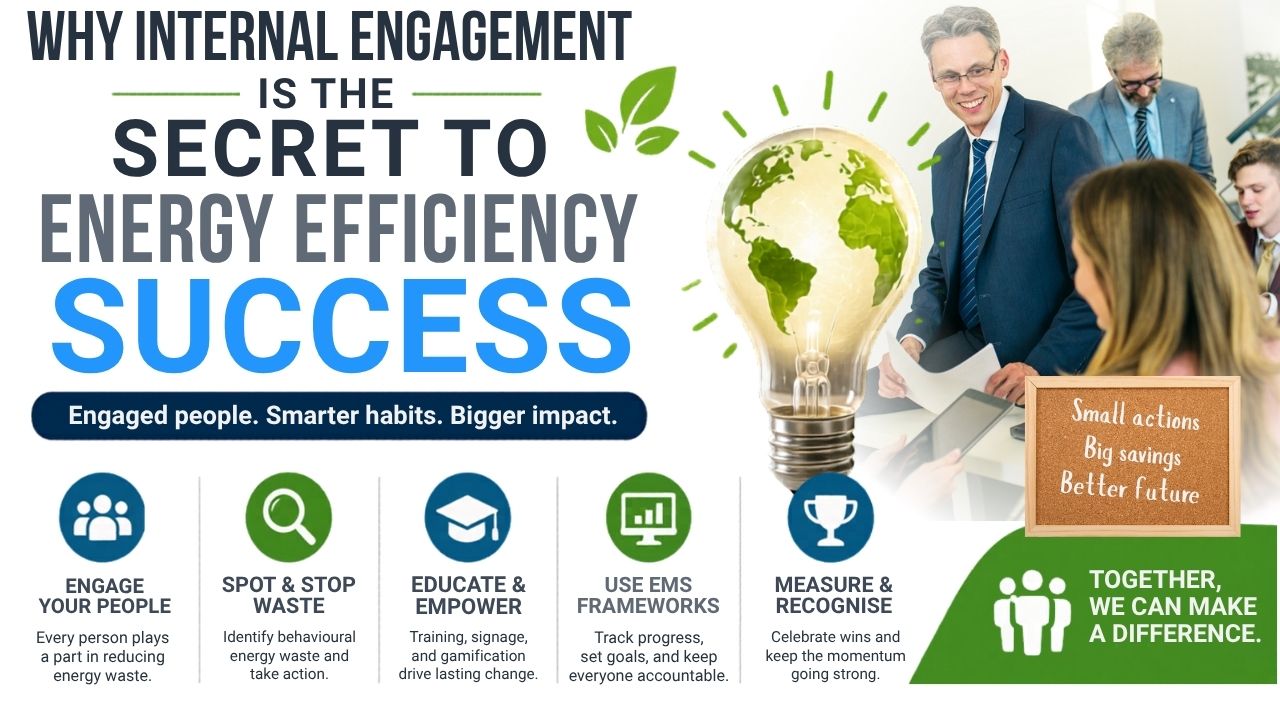
- An EnMS is only as strong as the people using it. If employees aren’t engaged or aware of energy goals, consider revamping training programs or communication strategies.
Outdated Technology
- Relying on manual processes or legacy systems can limit your EnMS’s potential. Upgrading to modern digital tools can unlock new efficiencies.
Compliance Gaps
- Falling behind on regulatory requirements or industry standards is a red flag. Regular audits can help identify and address these gaps.
Misalignment with Business Goals
If your EnMS isn’t contributing to broader objectives, it’s time to realign. Revisit your energy policy and ensure it supports your organisation’s strategic priorities.
Conclusion
A great EnMS is more than a box to check—it’s a powerful tool for driving performance, cutting costs, and reducing emissions. By focusing on key ingredients like policy, data, action plans, and review loops, aligning with business goals, leveraging digital tools, and integrating with ISO standards, you can transform your EnMS into a true performance engine.
If your current system isn’t delivering the results you need, don’t hesitate to revamp it. With the right approach, your EnMS can become a cornerstone of your organisation’s success.
Recommended Keywords:
Energy compliance
Energy Management System
EnMS performance
Energy data
ISO 50001
Energy policy
Energy action plans
Digital energy tools
Energy efficiency
Sustainability goals
Energy cost savings
Energy monitoring
Predictive analytics