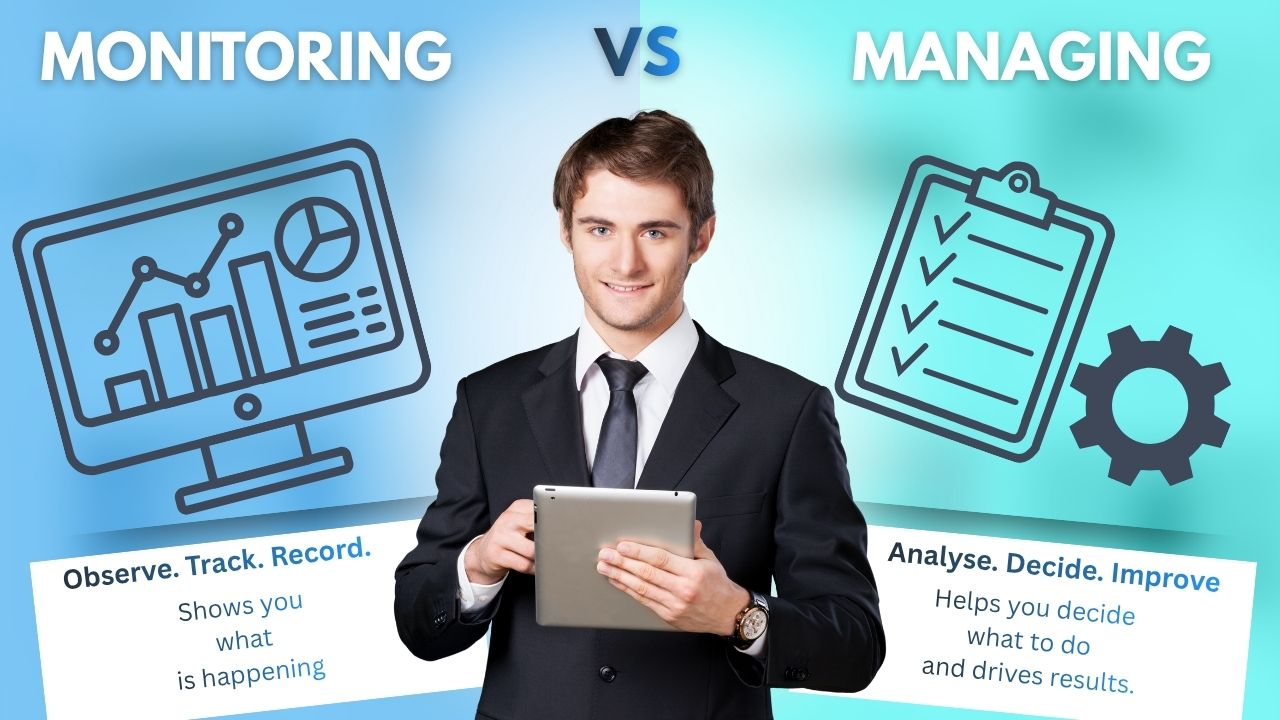
An Environmental Management System (EMS) is often seen as a compliance tool. But for environmental, energy, and operations managers, it can be so much more. Your EMS is a powerful engine for project planning, helping you turn data into action, align with organisational goals, and drive measurable results.
Here’s how you can transform your EMS into a project pipeline that delivers real impact.
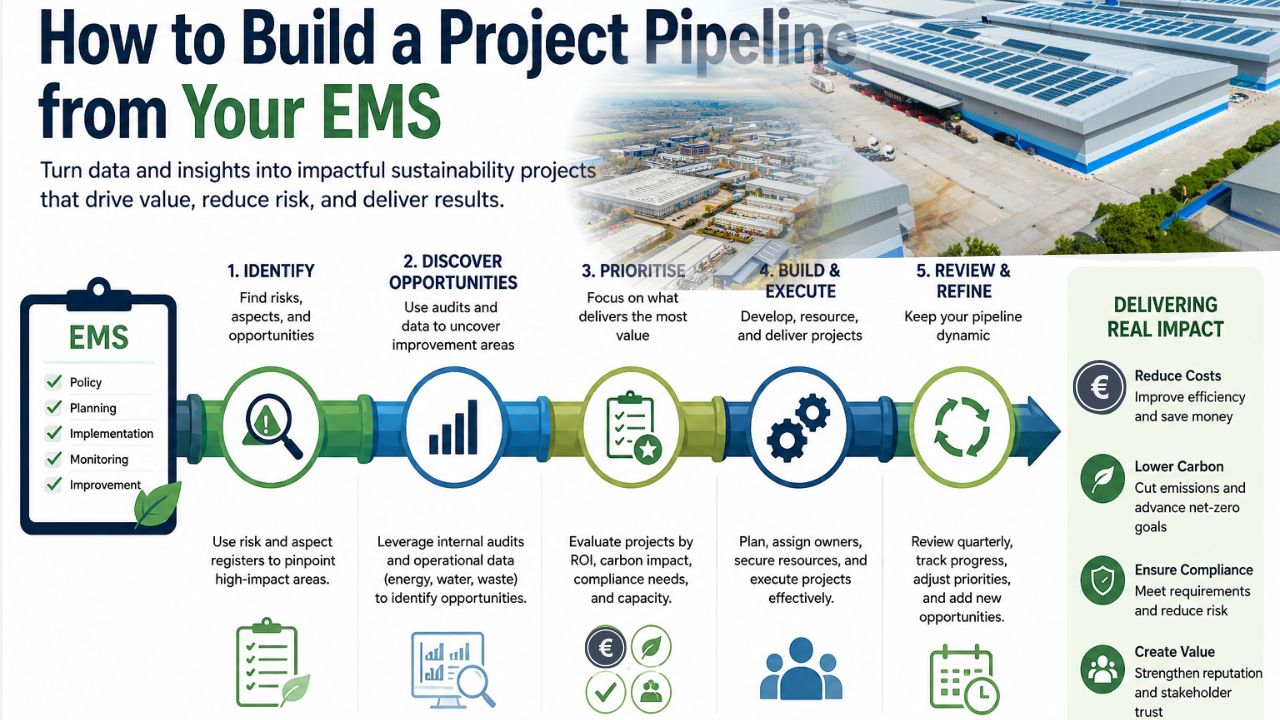
Turning Risk and Aspect Registers into Actionable Projects
Your EMS already includes risk and aspect registers, which are treasure troves of insights. These registers identify environmental risks and opportunities across your operations. But identifying risks isn’t enough, you need to act on them.
Start by reviewing your registers to pinpoint areas where action is required. For example, if your aspect register highlights high energy consumption in a specific process, this could be the starting point for an energy efficiency project. Similarly, risks like non-compliance with upcoming regulations can be translated into projects focused on system upgrades or process changes.
The key is to frame these risks and aspects as opportunities for improvement. By doing so, you can build a pipeline of projects that not only mitigate risks but also create value for your organisation.
Using Internal Audits and Data to Identify Opportunities
Internal audits are another underutilised resource in most EMS frameworks. These audits provide a snapshot of your current performance and highlight gaps in compliance, efficiency, or sustainability.
Use audit findings to identify areas for improvement. For example, if an audit reveals inconsistent waste segregation practices, this could lead to a project focused on staff training and process standardisation.
Beyond audits, leverage operational data to uncover trends and opportunities. Energy usage patterns, waste generation rates, and water consumption metrics can all point to potential projects. For instance, a spike in energy use during peak production periods might signal the need for energy optimisation initiatives.
By combining audit results with data analysis, you can build a robust pipeline of projects grounded in real-world insights.
Prioritisation: ROI, Carbon, Compliance, and Capacity
Not all projects can be tackled at once, so prioritisation is critical. To decide which projects to pursue first, consider these four factors:
- Return on Investment (ROI): Projects with a strong financial return, such as energy efficiency upgrades, often justify themselves. Calculate potential cost savings to make the case.
- Carbon Impact: Prioritise projects that significantly reduce your carbon footprint, aligning with corporate sustainability goals and net-zero commitments.
- Compliance: Address projects tied to regulatory deadlines or compliance risks to avoid penalties and reputational damage.
- Capacity: Assess your team’s bandwidth and resources. Focus on projects that are feasible given your current capacity, or plan for phased implementation.
By balancing these factors, you can ensure your project pipeline aligns with both strategic priorities and operational realities.
Keeping Momentum with Quarterly Reviews and Updates
A project pipeline isn’t static. It needs regular updates to stay relevant. Schedule quarterly reviews to assess progress, reprioritise projects, and add new initiatives based on emerging risks or opportunities.
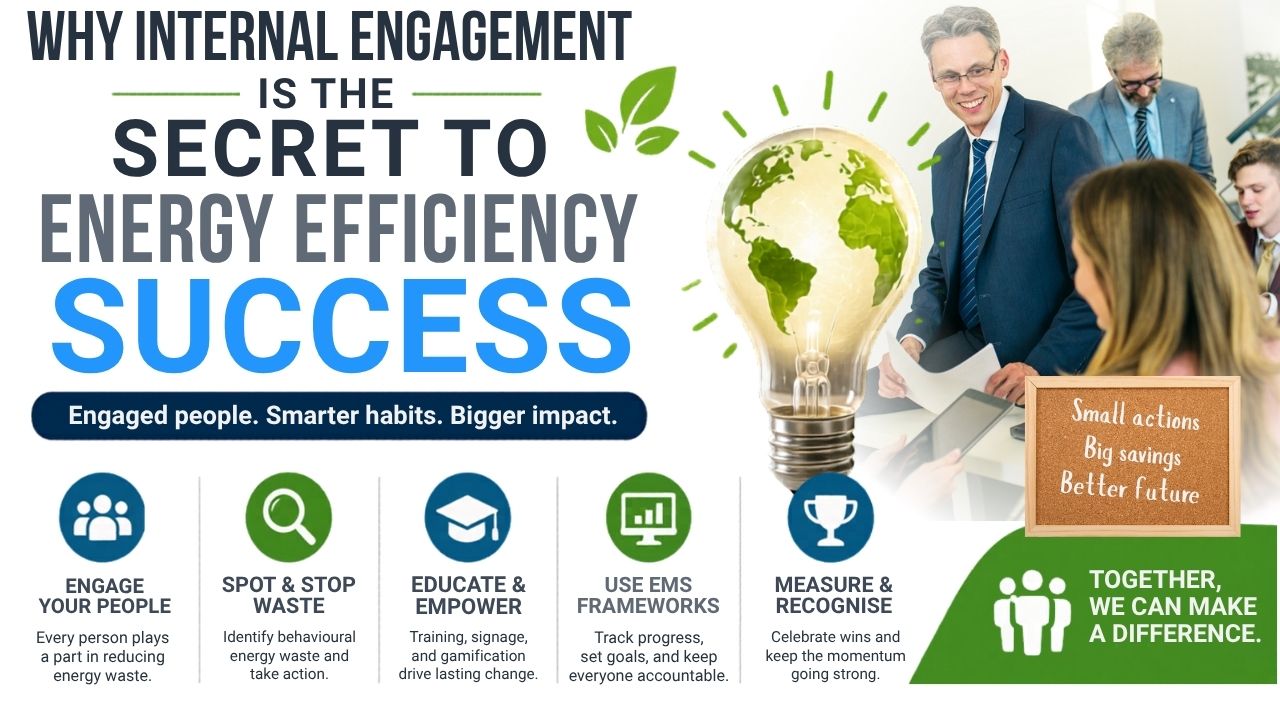
During these reviews, involve key stakeholders from across the organisation. Their input can provide fresh perspectives and help align projects with broader business objectives.
Use these sessions to celebrate wins and troubleshoot challenges. For example, if a project is delayed due to resource constraints, discuss ways to reallocate budget or adjust timelines.
Quarterly reviews keep your pipeline dynamic and ensure it continues to drive meaningful progress.
Reporting Progress Internally and Externally
Transparent reporting is essential for maintaining momentum and securing ongoing support. Internally, share updates with leadership and cross-functional teams to demonstrate the value of your EMS-driven projects. Use dashboards, scorecards, or presentations to highlight key metrics like cost savings, carbon reductions, and compliance improvements.
Externally, consider how your project pipeline aligns with stakeholder expectations. Share progress in sustainability reports, investor updates, or community newsletters. Highlighting achievements like reduced emissions or improved resource efficiency can enhance your organisation’s reputation and stakeholder trust.
By reporting progress effectively, you reinforce the strategic importance of your EMS and build support for future initiatives.
Conclusion
An EMS isn’t just a compliance tool, it’s a strategic asset for driving environmental and operational improvements. By turning risk registers into projects, leveraging audits and data, prioritising effectively, and maintaining momentum through regular reviews, you can build a project pipeline that delivers measurable results.
With the right approach, your EMS becomes more than a system, it becomes a catalyst for change, helping your organisation achieve its sustainability goals while creating value along the way.