Toward Zero Carbon

Articles

Cartoon image of a team completing a checklist
Environment
How to Conduct an Effective Internal ISO Audit

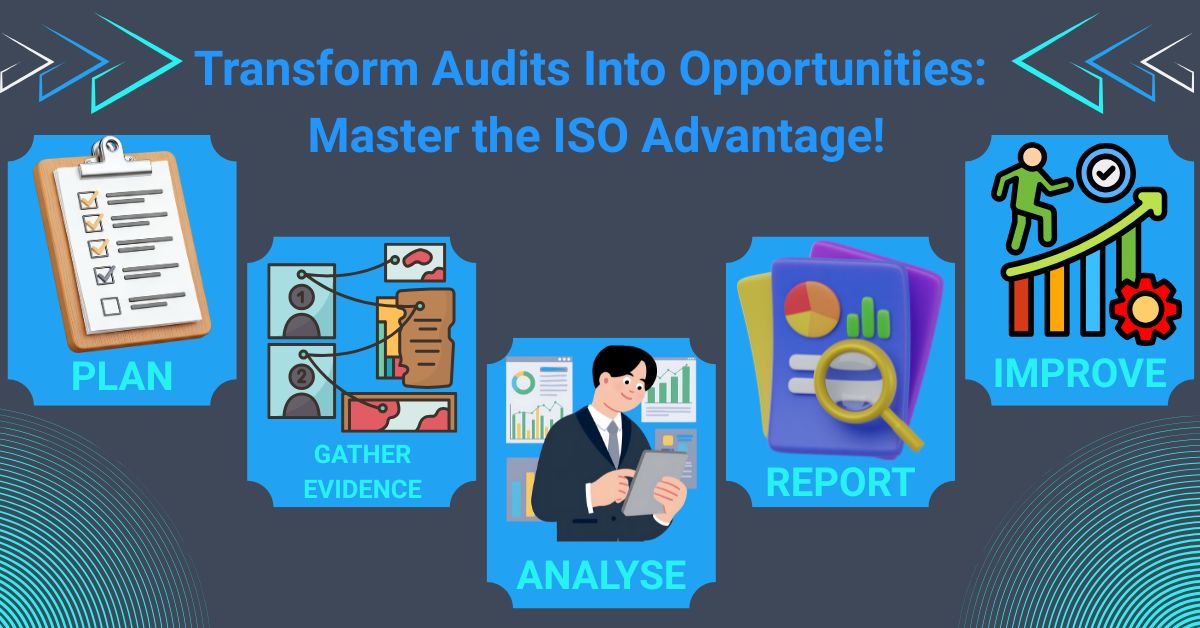
Unlock the true value of internal ISO audits with a practical, improvement-focused approach. Instead of treating audits as a box-ticking exercise, use them to uncover inefficiencies, identify risks, and drive real change. This guide walks you through every step—from planning and evidence gathering to root cause analysis, reporting, and corrective actions. Learn how to make audits less stressful and more empowering for your team by communicating their purpose, leveraging technology, and celebrating successes. Transform your audits into a strategic tool for continuous improvement, compliance, and enhanced performance across your organisation.
Environment
GHG Accounting for Multi-Site Businesses: Where to Begin

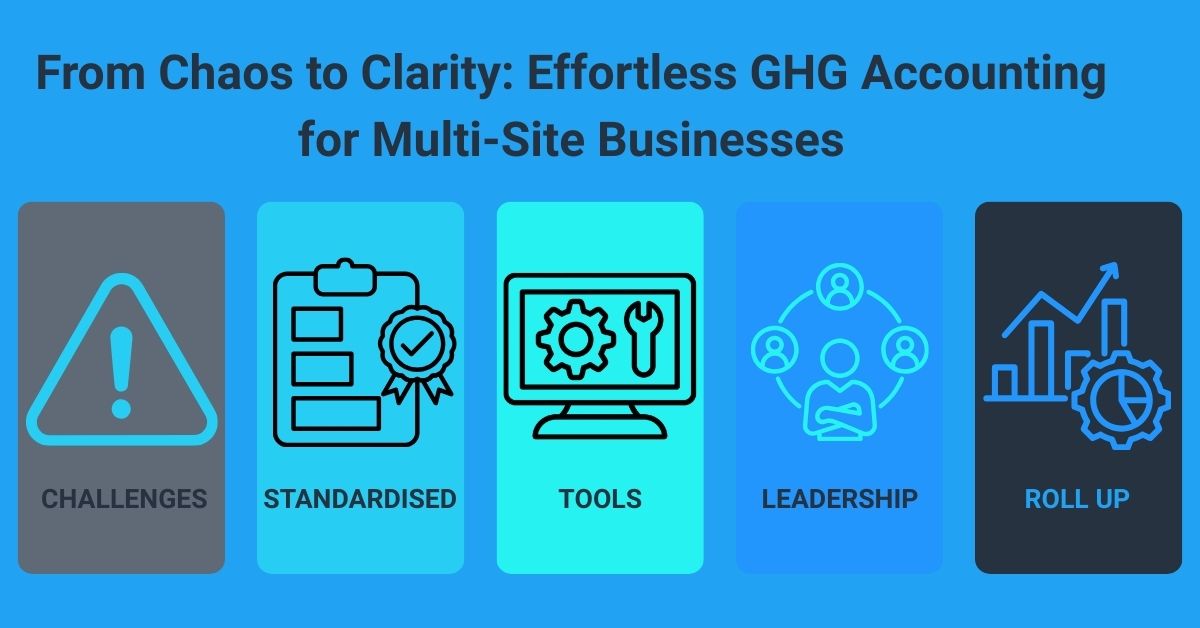
Tackling greenhouse gas (GHG) accounting across multiple business sites can feel overwhelming, but it’s essential for meeting sustainability goals and regulatory requirements. Each location may have different systems, practices, and teams, making unified reporting a challenge. This blog post breaks down the process step by step—highlighting the importance of standardising data collection, using the right tools, and fostering strong leadership. Learn how to overcome common hurdles, coordinate site inputs, and roll up data into a single, verified inventory. With the right approach, you can transform complex, scattered data into actionable insights and drive meaningful progress toward a greener future.

Energy
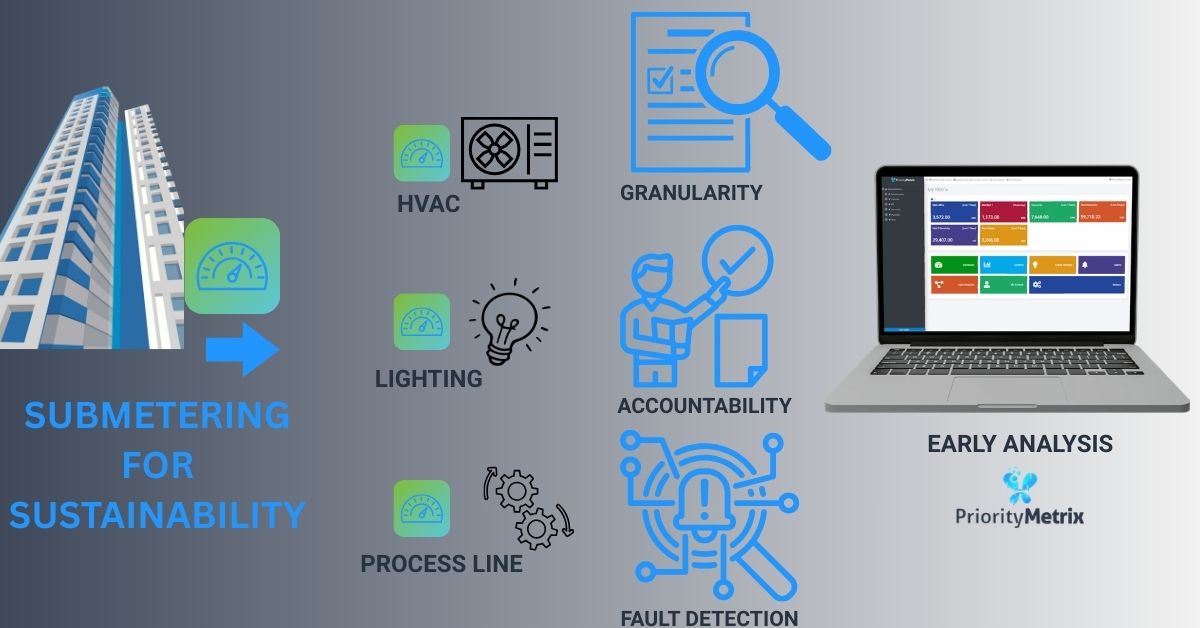
Submetering Systems: An Effective Way to Promote Sustainability Through Resource Management.

Submetering systems are transforming the way organisations manage energy and promote sustainability. By installing submeters on key systems like HVAC, lighting, and process lines, businesses gain detailed insights into exactly where energy is being used—and wasted. This granular data enables teams to identify inefficiencies, assign accountability, and detect faults early, leading to smarter decisions and cost savings. With the help of user-friendly analytics software, submetering turns complex energy data into actionable insights. Embracing submetering is a practical step toward reducing energy waste, optimising operations, and achieving sustainability goals in any facility.

Environment
Setting Emission Reduction Targets That Actually Work

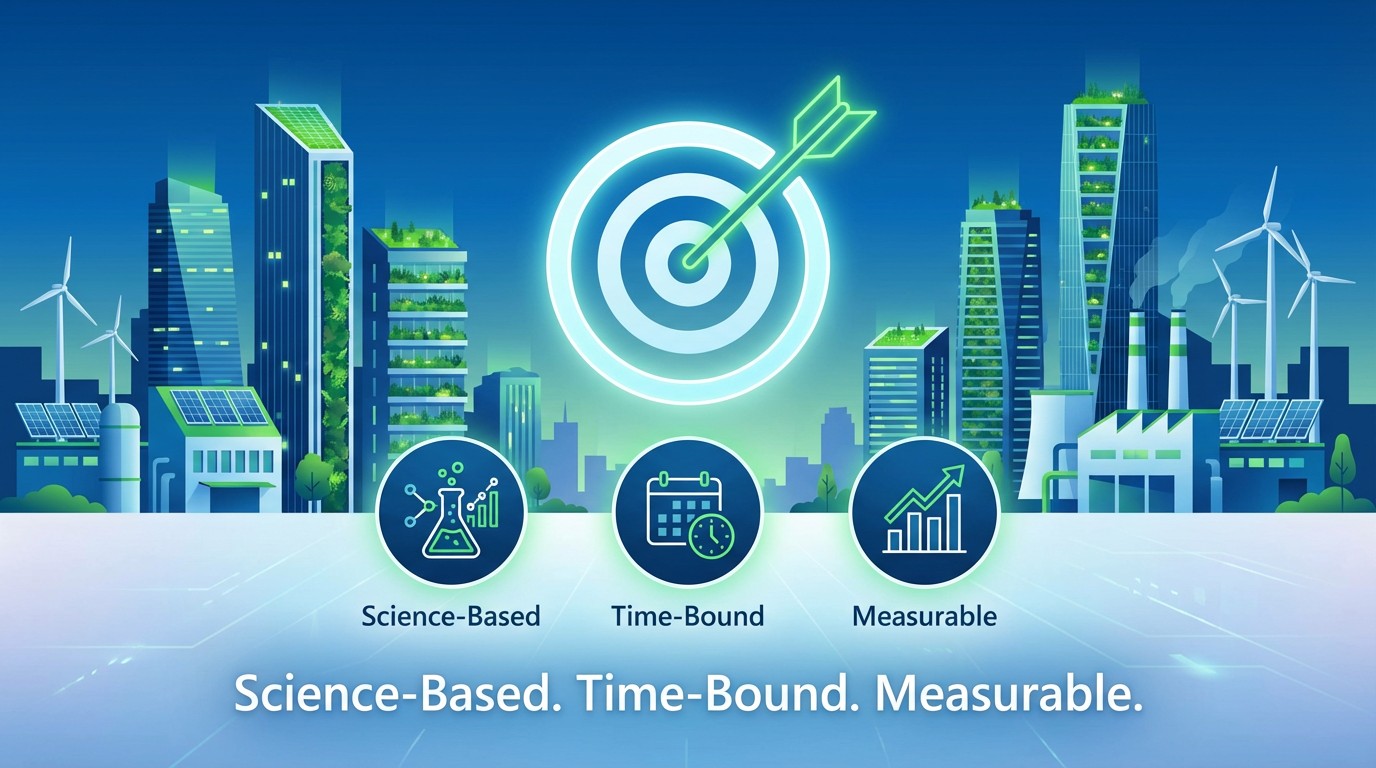
Setting credible emission reduction targets is essential for effective climate action. The most impactful targets are science-based, time-bound, and measurable—aligned with frameworks like the Science Based Targets initiative (SBTi) or ISO 14064. Avoid vague or overly ambitious goals and always establish a clear baseline for tracking progress. A robust roadmap should identify key emission sources, set interim milestones, define specific actions, allocate resources, and monitor progress with reliable data. Embedding targets into your organisation’s culture through clear communication, team engagement, and celebrating milestones ensures buy-in and drives real, measurable progress toward meaningful climate action.

Energy
EPDs in Public Procurement: Why You’ll Need One Sooner Than You Think

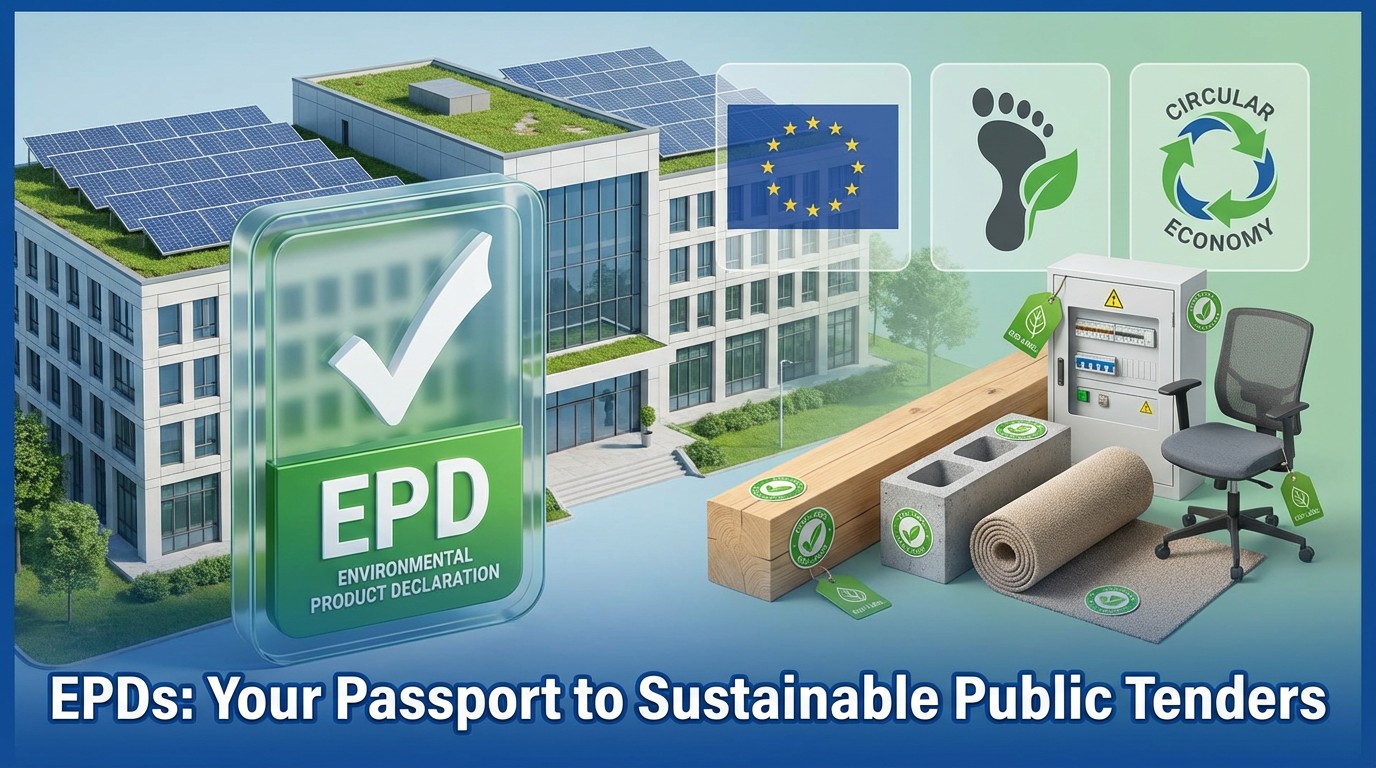
Environmental Product Declarations (EPDs) are becoming essential in public procurement, especially in construction and manufacturing. As sustainability standards rise, EPDs provide transparent, third-party-verified data on a product’s environmental impact, helping buyers meet climate and circularity goals. Increasingly required in EU Green Public Procurement, EPDs enable fair comparisons and support compliance with standards like ISO 14025 and EN 15804. Manufacturers and suppliers who invest in EPDs now will gain a competitive edge, as these documents are quickly shifting from a “nice-to-have” to a necessity for winning tenders and demonstrating leadership in sustainable procurement.

Energy
The Carbon Cost of Compressed Air (and How to Cut It)

Compressed air is a vital utility in industrial operations, but it’s often highly inefficient—up to 90% of input energy can be lost as heat. Common issues like leaks, poor pressure control, and outdated equipment drive up energy costs and carbon emissions. By conducting regular leak audits, monitoring system performance, and implementing preventive maintenance, facilities can quickly identify and address waste. Investing in upgrades such as variable speed drive compressors, energy-efficient dryers, smart controls, and heat recovery systems delivers fast ROI and significant carbon savings. Prioritising compressed air efficiency is a practical, cost-effective way to cut costs and support sustainability goals.

Uncategorized
Integrating Energy and Environmental Systems in Your Business.

Integrating ISO 50001 (Energy Management) and ISO 14001 (Environmental Management) offers organisations a powerful way to streamline sustainability efforts. By combining these systems into an Integrated Management System (IMS), businesses can eliminate duplicated processes, reduce costs, and improve decision-making. Shared requirements—such as policy development, data collection, audits, and training—can be managed together, saving time and resources. Integration also enhances stakeholder confidence and ensures compliance with overlapping legal and regulatory standards. Ultimately, an IMS amplifies the impact of sustainability initiatives, helping organisations achieve their energy and environmental goals more efficiently and effectively

Environment
What Makes a Good Environmental Aspect Register?

A good environmental aspect register is essential for an effective Environmental Management System (EMS) under ISO 14001. It goes beyond compliance, serving as a practical tool to identify, assess, and manage environmental impacts. An effective register is clear, concise, and aligned with organisational goals, helping prioritise meaningful actions. Avoid common pitfalls like being too vague, overly detailed, or disconnected from operations. By mapping activities, identifying environmental interactions, and evaluating significance, organisations can focus on the most critical aspects. Regularly updating and using the register to set objectives, allocate resources, and engage employees ensures continuous improvement and real environmental benefits.

Environment
How to Streamline Environmental Compliance with a Digital EMS

Managing environmental compliance manually can be overwhelming, leading to duplicated efforts, missed deadlines, and poor visibility. A digital Environmental Management System (EMS) transforms this process by centralising tasks, automating reminders, and securely storing documents. With features like real-time monitoring, audit readiness, and easy integration, a digital EMS reduces risks and administrative burdens while supporting continuous improvement. It also streamlines ISO 14001 certification by organising documentation and simplifying audits. By choosing user-friendly, scalable software, businesses can embed sustainability into daily operations and ensure compliance is efficient and stress-free. Ready to modernise your EMS? The right digital tools make all the difference.

Environment
How to Measure Carbon Savings from Operational Changes

Measuring carbon savings from operational changes is essential for credible sustainability claims. To qualify, reductions must be quantifiable, attributable to specific interventions, verifiable with solid data, and additional to “business as usual.” Start by establishing a clear baseline, document the intervention, and compare results over a matching reporting period. Use robust tools like the International Performance Measurement and Verification Protocol (IPMVP), submetering, and regression models to ensure accuracy. Prioritise real, measured savings over estimates, and verify results through internal reviews or third-party audits. Proper measurement and verification not only build trust but also unlock opportunities for funding and recognition.