Environmental Product Declarations (EPDs) are rapidly becoming a critical factor in public procurement, especially in the construction and manufacturing sectors. As governments and corporations prioritise sustainability, the demand for transparent, verified environmental data is reshaping how tenders are evaluated. If you’re a manufacturer or supplier, understanding and preparing for this shift is no longer optional, it’s essential to stay competitive.
Let’s explore why EPDs are gaining traction, how they align with EU Green Public Procurement (GPP) trends, and what steps you can take to stay ahead.
The Rise of EPDs in Tendering for Construction, Products, and Materials
EPDs are increasingly a requirement in public procurement processes, particularly in the construction industry. These standardised documents provide detailed, third-party-verified information about a product’s environmental impact across its lifecycle, including metrics like carbon footprint, energy use, and waste generation.
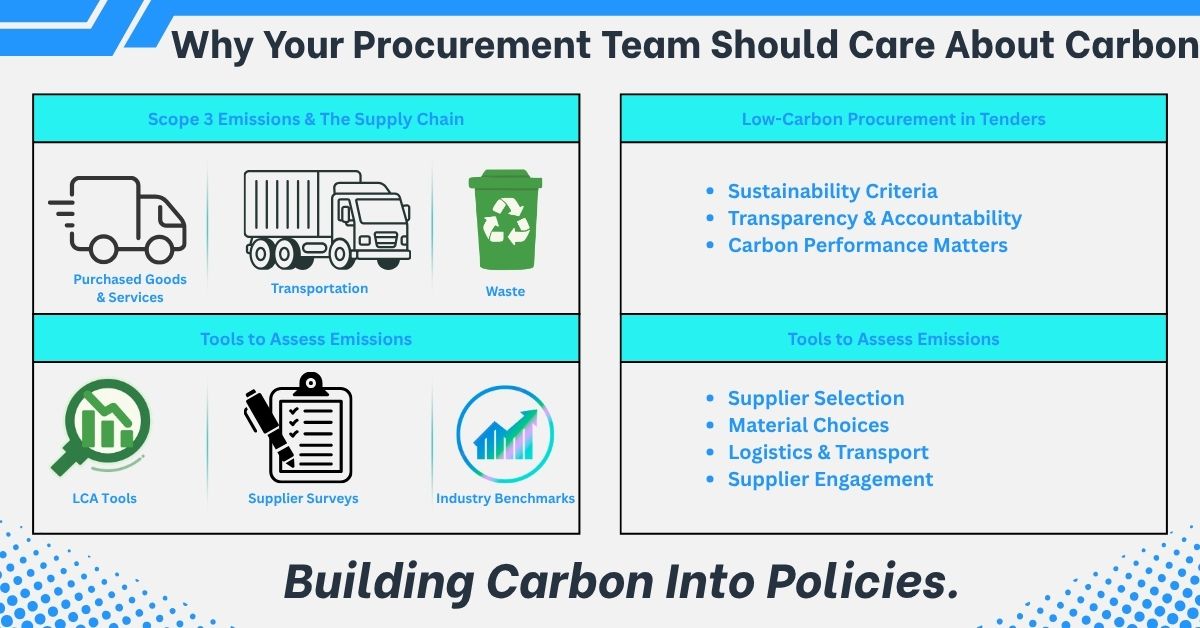
Why the sudden focus on EPDs? Governments and organisations are under pressure to meet ambitious climate goals, such as those outlined in the European Green Deal. Public procurement, which accounts for a significant portion of GDP in many countries, is a powerful lever to drive sustainable practices. By requiring EPDs in tenders, procurement teams can ensure that the products and materials they purchase align with their environmental objectives.
For manufacturers and suppliers, this means that having an EPD is quickly becoming a “ticket to play” in public tenders. Without one, your bid may not even make it past the initial screening.
EU Green Public Procurement Trends
The European Union has been a global leader in promoting sustainable procurement practices. Under the EU Green Public Procurement (GPP) framework, contracting authorities are encouraged, or in some cases, required to integrate environmental criteria into their purchasing decisions.
EPDs play a key role in this framework. They provide the data needed to assess products against GPP criteria, such as energy efficiency, carbon emissions, and recyclability. For example:
- Construction Materials: EPDs are often required to demonstrate compliance with sustainability benchmarks in building projects.
- Office Supplies and Equipment: Products with EPDs can showcase lower environmental impacts, giving them an edge in competitive tenders.
- Infrastructure Projects: Governments are increasingly using EPDs to evaluate the lifecycle impacts of materials like concrete, steel, and asphalt.
These trends are not limited to the EU. Countries around the world are adopting similar approaches, making EPDs a global standard for sustainable procurement.
The Role of EPDs in Climate and Circularity Assessments
EPDs are more than just a compliance tool, they’re a cornerstone of climate and circularity assessments. By providing a detailed breakdown of a product’s environmental impacts, EPDs enable procurement teams to make informed decisions that align with their sustainability goals.
Climate Impact
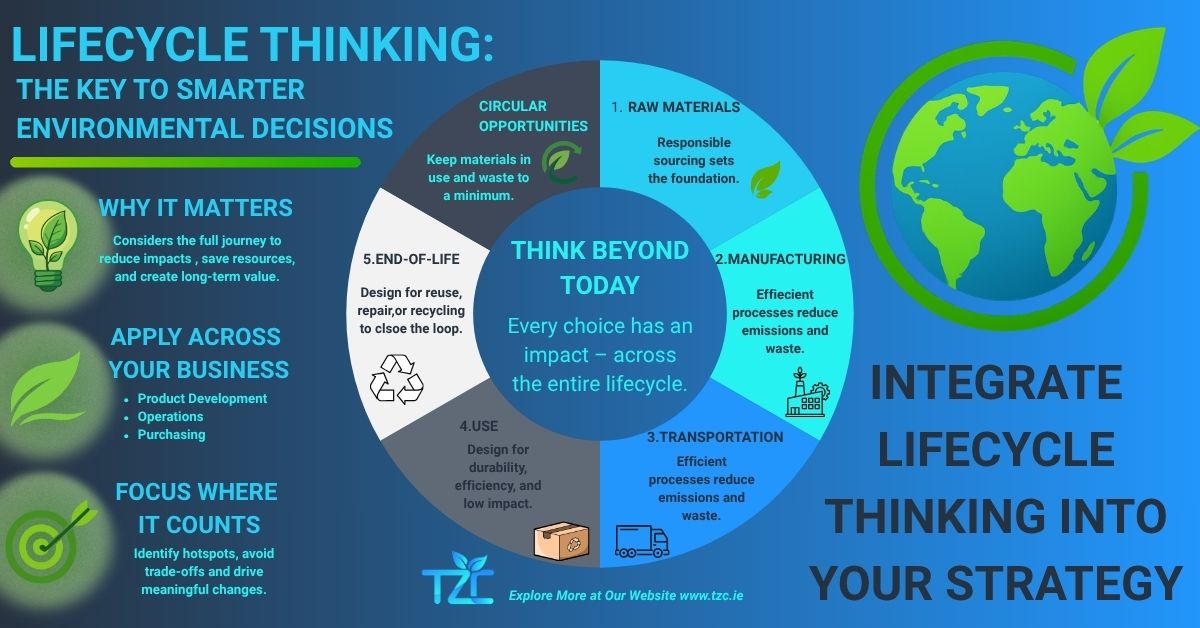
EPDs quantify greenhouse gas emissions across a product’s lifecycle, from raw material extraction to end-of-life disposal. This data is critical for organisations aiming to reduce their carbon footprint. For instance, a construction company might use EPDs to select low-carbon concrete for a project, helping them meet emissions targets.
Circularity
EPDs also support circular economy initiatives by highlighting aspects like material recyclability and resource efficiency. Products with favorable circularity metrics are more likely to win tenders, as they align with the growing emphasis on reducing waste and promoting resource recovery.
For manufacturers, this means that EPDs are not just a box to tick, they’re a way to showcase your product’s environmental performance and stand out in a crowded market.
What Buyers Are Looking for in Product Declarations
When evaluating tenders, procurement teams are looking for EPDs that are:
- Transparent and Verified: EPDs must be third-party verified to ensure credibility. Self-declared environmental claims are no longer sufficient.
- Comprehensive: Buyers want a full lifecycle assessment (LCA) that covers all stages of the product’s life, from raw material extraction to disposal.
- Comparable: EPDs should follow standardised formats, such as those outlined in ISO 14025 or EN 15804, to enable apples-to-apples comparisons between products.
- Aligned with Tender Criteria: EPDs should address specific environmental metrics outlined in the tender, such as carbon emissions, energy use, or recyclability.
By meeting these expectations, you can position your products as the preferred choice for environmentally conscious buyers.
How to Get Started Before It Becomes Mandatory
If you don’t already have EPDs for your products, now is the time to act. Here’s how to get started:
1. Understand the Requirements
Research the EPD standards relevant to your industry, such as ISO 14025 or EN 15804. Familiarise yourself with the lifecycle assessment (LCA) process and the data you’ll need to collect.
2. Conduct a Lifecycle Assessment (LCA)
An LCA is the foundation of an EPD. It involves analysing your product’s environmental impacts across its entire lifecycle. Consider working with an experienced LCA consultant to ensure accuracy and compliance with standards.
3. Work with a Program Operator
EPDs must be verified and published by an accredited program operator. These organisations will review your LCA, ensure compliance with standards, and issue the final EPD.
4. Integrate EPDs into Your Business Strategy
Don’t treat EPDs as a one-off project. Make them a core part of your sustainability strategy. This might involve redesigning products to improve their environmental performance or investing in more sustainable materials.
5. Educate Your Team
Ensure your sales and marketing teams understand the value of EPDs. They’ll need to communicate this effectively to procurement teams during the tendering process.
By taking these steps now, you can position your business as a leader in sustainable procurement and gain a competitive edge.
Conclusion
EPDs are no longer a “nice-to-have” document, they’re quickly becoming a necessity in public procurement. As governments and organisations ramp up their sustainability efforts, the demand for transparent, verified environmental data will only grow.
For manufacturers and suppliers, this is both a challenge and an opportunity. By investing in EPDs now, you can not only meet future requirements but also differentiate your products and win more tenders.
Don’t wait until EPDs become mandatory. Start today, and position your business for success in the evolving landscape of sustainable procurement.
If you would like to learn more about how EPD’s can help promote sustainability within your business, please visit TzcTZC | Improving Sustainability Through Expert Solutions.
Recommended Keywords:
- Environmental Product Declarations
- EPDs
- public procurement
- EU Green Public Procurement
- sustainable procurement
- lifecycle assessment
- ISO 14025
- EN 15804
- climate impact
- circular economy
- construction materials
- tendering process