For organisations managing multiple ISO standards, the overlap between ISO 50001 (Energy Management) and ISO 14001 (Environmental Management) presents a unique opportunity. By integrating these systems, businesses can streamline processes, reduce redundancy, and amplify their impact. Let’s explore why combining energy and environmental management systems is a smart move and how to get started.
Overlap Between ISO 50001 and ISO 14001 Requirements
ISO 50001 and ISO 14001 share a common goal: improving sustainability. While ISO 50001 focuses on energy performance, ISO 14001 addresses broader environmental impacts. However, both standards emphasise systematic approaches to management, continuous improvement, and compliance with legal and other requirements.
Key areas of overlap include:
- Policy Development: Both standards require organisations to establish policies that align with their objectives, whether related to energy efficiency or environmental protection.
- Planning and Objectives: Identifying significant energy uses under ISO 50001 often overlaps with evaluating environmental aspects under ISO 14001.
- Operational Controls: Managing energy-intensive processes or emissions reduction efforts can fulfil requirements for both standards.
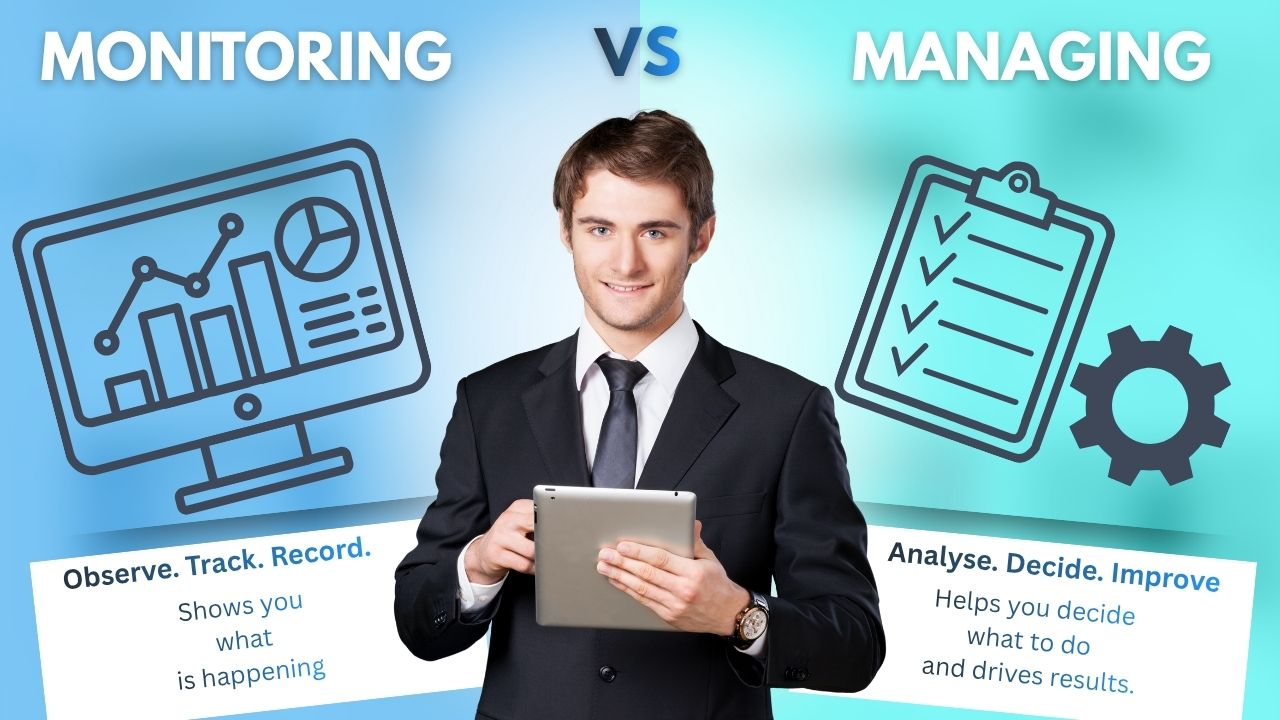
- Monitoring and Measurement: Data collection on energy consumption and environmental impacts often involves the same systems and tools.
This alignment creates a natural foundation for integration, allowing organisations to address energy and environmental priorities simultaneously.
Benefits of an Integrated Management System (IMS)
An Integrated Management System (IMS) combines the requirements of multiple ISO standards into a unified framework. For organisations juggling ISO 50001 and ISO 14001, this approach offers several advantages:
1. Efficiency Gains
Managing separate systems can lead to duplicated efforts, such as conducting separate audits or maintaining parallel documentation. An IMS eliminates these redundancies, saving time and resources.
2. Cost Savings
By integrating processes like training, reporting, and compliance tracking, organisations can reduce administrative costs. For example, a single audit can cover both energy and environmental requirements, cutting down on external audit fees.
3. Improved Decision-Making
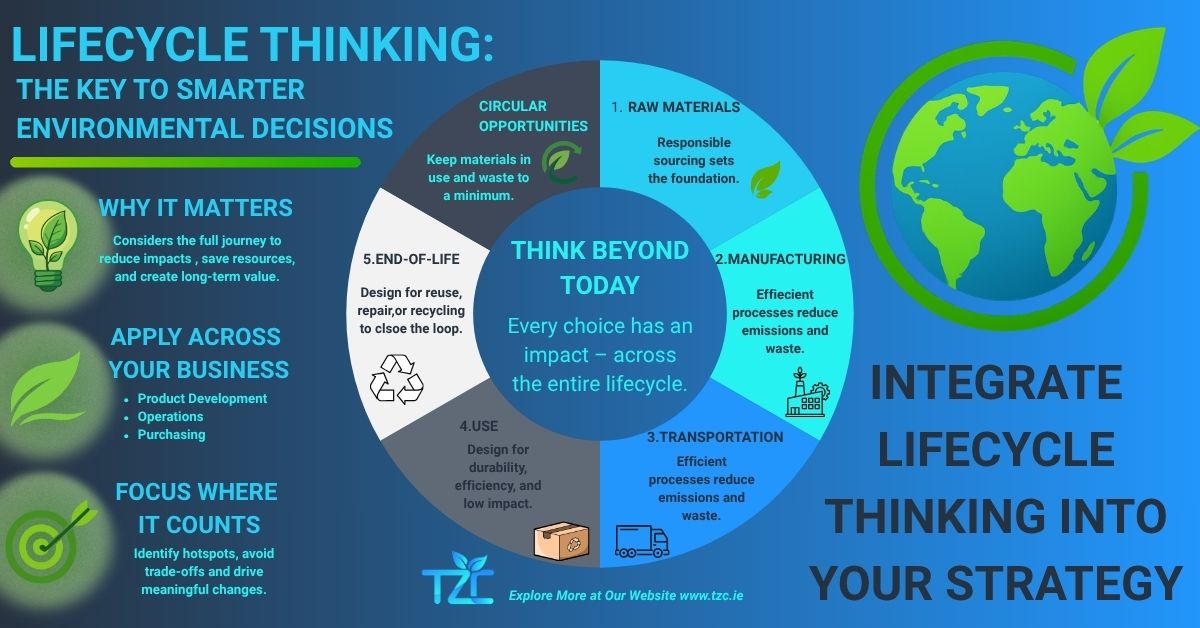
An IMS provides a holistic view of energy and environmental performance, enabling better-informed decisions. For instance, energy efficiency projects can be evaluated not only for cost savings but also for their environmental benefits, such as reduced greenhouse gas emissions.
4. Enhanced Stakeholder Confidence
Demonstrating a unified approach to sustainability strengthens credibility with customers, regulators, and investors. It signals that the organisation is serious about its environmental and energy commitments.
Streamlining Data Collection, Audits, and Training
Data collection, audits, and employee training are critical components of both ISO 50001 and ISO 14001. Integrating these processes can significantly improve efficiency and effectiveness.
Data Collection
Energy and environmental data often come from the same sources, such as utility bills, emissions monitoring systems, or production metrics. By consolidating data collection efforts, organisations can reduce manual work and improve data accuracy. Integrated software solutions can further streamline this process, providing real-time insights into both energy and environmental performance.
Audits
Audits are essential for maintaining ISO certification, but they can be time-consuming and costly when conducted separately. An IMS allows for combined audits, where auditors assess compliance with both standards in a single visit. This not only saves time but also ensures a more cohesive evaluation of the organisation’s sustainability efforts.
Training
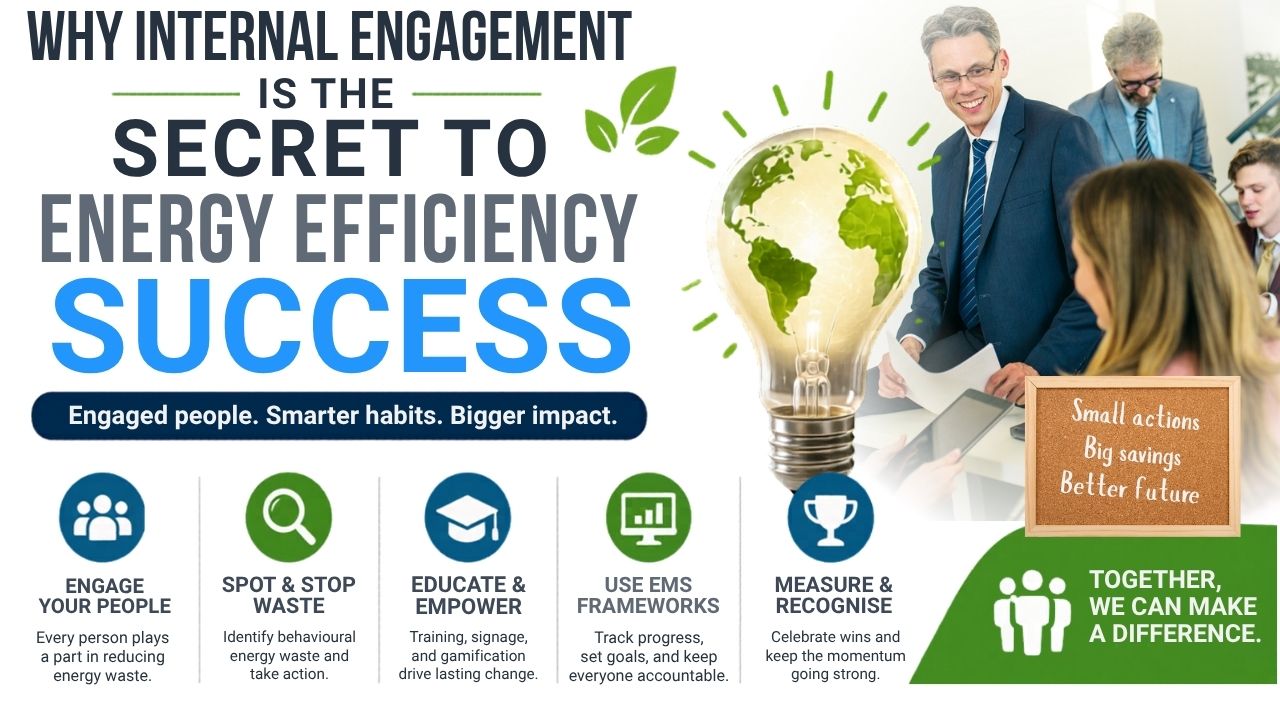
Employee awareness and engagement are crucial for the success of any management system. Instead of conducting separate training sessions for energy and environmental management, an IMS enables organisations to deliver integrated training programs. This approach ensures that employees understand the interconnectedness of energy and environmental goals, fostering a culture of sustainability.
How Integration Reduces Duplication and Increases Impact
One of the biggest challenges of managing separate systems is duplication. From documentation to reporting, organisations often find themselves repeating tasks that could be consolidated. Integration addresses this issue by creating a single, cohesive system.
Reducing Duplication
Compliance: Legal and regulatory requirements for energy and environmental management often overlap. An IMS ensures that compliance efforts are aligned, reducing the risk of gaps or inconsistencies.
Documentation: Instead of maintaining separate manuals, procedures, and records for ISO 50001 and ISO 14001, an IMS consolidates these into a unified set of documents.
Reporting: Integrated reporting frameworks allow organisations to present energy and environmental performance in a single report, simplifying communication with stakeholders.
Increasing Impact
Integration doesn’t just save time, it amplifies results. By managing energy and environmental priorities together, organisations can identify synergies that might otherwise be overlooked. For example:
- Energy efficiency projects can reduce both energy costs and carbon emissions, addressing objectives under both ISO 50001 and ISO 14001.
- Waste reduction initiatives can lower disposal costs while conserving resources, benefiting both energy and environmental performance.
This holistic approach ensures that sustainability efforts are more impactful and aligned with organisational goals.
When to Integrate and How to Start
The decision to integrate management systems depends on several factors, including the organisation’s size, complexity, and existing certifications. Here’s how to determine the right time to integrate and steps to get started:
When to Integrate
New Certifications: If your organisation is pursuing ISO 50001 or ISO 14001 for the first time, consider integrating the new standard with any existing systems from the outset.
Renewals: Certification renewal periods are an ideal time to evaluate the benefits of integration and make the transition.
Operational Changes: Significant changes, such as a shift to renewable energy or a new sustainability strategy, can also prompt integration.
How to Start
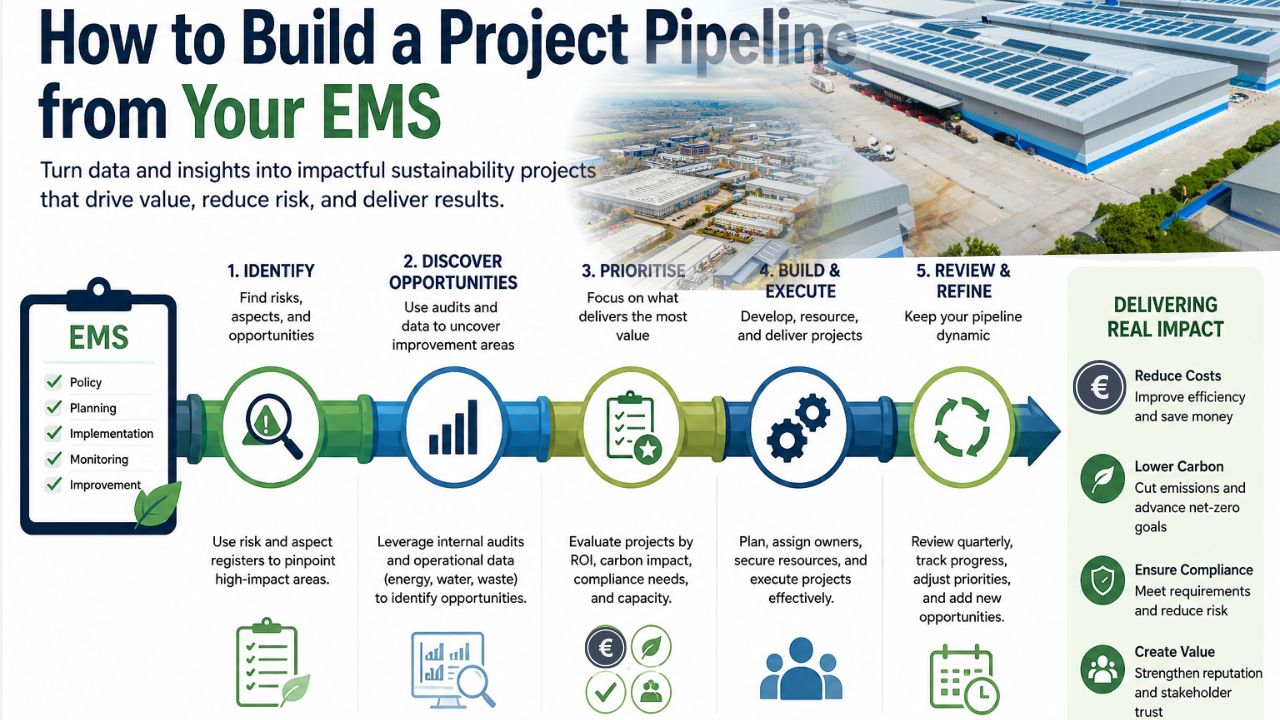
Monitor and Improve: Once the IMS is in place, regularly review its performance and make adjustments as needed.
Conduct a Gap Analysis: Assess the similarities and differences between your existing systems. Identify areas of overlap and opportunities for integration.
Develop an Integration Plan: Create a roadmap for combining processes, documentation, and responsibilities. Ensure that the plan aligns with organisational goals and resources.
Engage Stakeholders: Involve employees, management, and external auditors in the integration process. Their input can help identify challenges and ensure a smooth transition.
Train Employees: Provide training on the integrated system to ensure that all staff understand their roles and responsibilities.
Conclusion
Integrating energy and environmental management systems is a strategic move for organisations committed to sustainability. By combining ISO 50001 and ISO 14001 into a unified framework, businesses can save time, cut costs, and increase the effectiveness of their efforts.
An Integrated Management System streamlines processes, reduces duplication, and enhances decision-making, all while amplifying the impact of sustainability initiatives. Whether you’re pursuing new certifications or looking to improve existing systems, integration offers a clear path to greater efficiency and effectiveness.
The time to act is now. By managing energy and environment together, your organisation can achieve its sustainability goals while building a stronger, more resilient future.
To learn more about ISO integration and sustainability solutions, visit IsoalignISO Management Software For ISO 14001 & ISO 50001 | ISO Align
Recommended Keywords:
- ISO 50001
- ISO 14001
- Integrated Management System
- energy management
- environmental management
- sustainability
- energy efficiency
- environmental impact
- certification integration
- continuous improvement