Toward Zero Carbon

Articles

Cartoon image of a team completing a checklist
Environment
Promoting Sustainability With ISO Audits

ISO certification is often seen as the ultimate mark of sustainability, but true progress goes beyond the plaque on the wall. While ISO 50001 and 14001 set important standards, real impact comes from continuous improvement, not just compliance. Many organis
ations fall into “compliance mode,” treating audits as hurdles rather than opportunities for change. To drive genuine sustainability, businesses must act on audit findings, engage employees at all levels, and integrate sustainability into their core strategy. Certification is a milestone, not the destination—lasting change requires ongoing commitment, measurement, and a willingness to go beyond what’s required.

Energy
Water, Waste and Energy: The Overlooked Link

Water and waste are often overlooked as major energy consumers in industrial and commercial settings. Beyond lighting and machinery, the energy required for water treatment, pumping, and waste management can account for a significant portion of total usage. By aligning ISO 14001 and ISO 50001 standards, organisations can address water, waste, and energy together, uncovering hidden savings and boosting sustainability. Integrated management not only reduces costs and emissions but also enhances resilience and compliance. Adopting a systems-thinking approach—mapping interconnections, optimising equipment, and engaging staff—unlocks greater efficiency and ensures every drop and bit of waste tells an energy story.

Energy
The Role of Operational Controls in Driving Down Energy Use

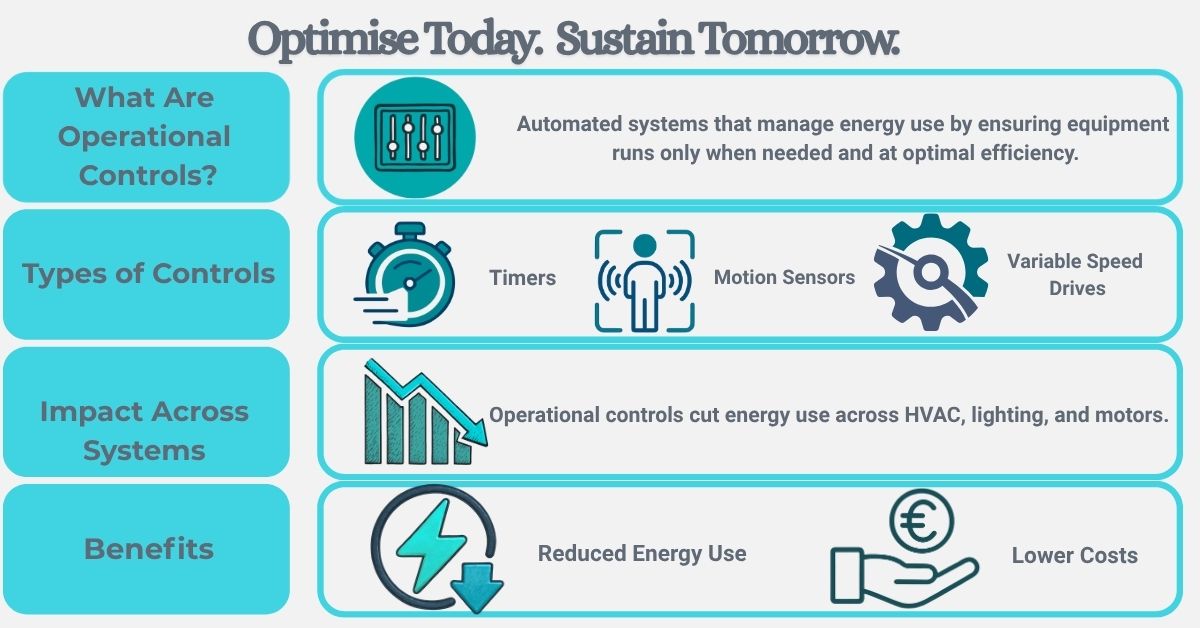
Operational controls are transforming energy management by automating efficiency across HVAC, lighting, motors, and industrial processes. These systems—ranging from timers and motion sensors to variable speed drives and auto shut-off—ensure equipment runs only when needed and at optimal levels. By embedding best practices and supporting ISO 50001 compliance, operational controls deliver measurable savings, reduce CO₂ emissions, and extend equipment life. When paired with robust monitoring, they create a feedback loop for continuous improvement. For engineering and maintenance leads, investing in operational controls is essential for enforcing efficiency, reducing costs, and achieving sustainability goals around the clock.

Energy
How to Identify and Eliminate Energy Waste in Industrial Operations

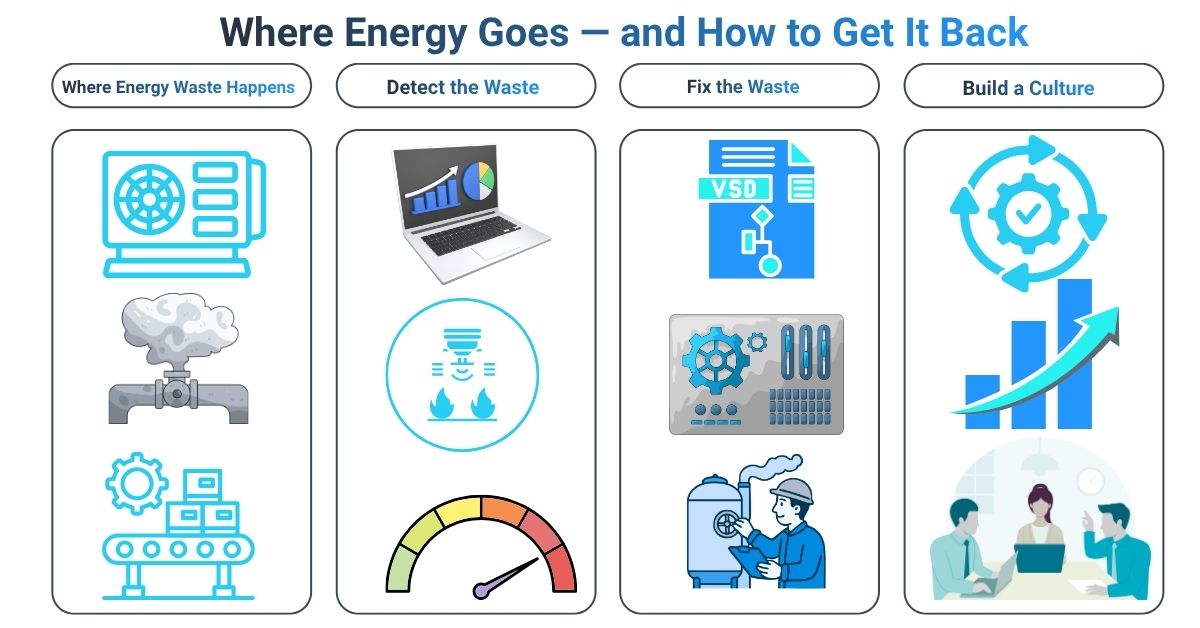
Energy waste is a hidden cost in industrial operations, quietly eroding profits and sustainability goals. This guide reveals how to spot and eliminate common sources of waste—like idle machines, leaks, and oversized equipment—through practical audits and targeted improvements. Learn how to use tools such as submetering, infrared thermography, and analytics platforms to make inefficiencies visible and actionable. Discover the difference between quick wins and capital projects, and see how embedding a culture of continuous improvement empowers teams to drive lasting savings. Start turning energy waste into measurable value and boost your facility’s operational performance today.

Environment
The CO₂ Performance Ladder: Understanding the Levels and Moving Up

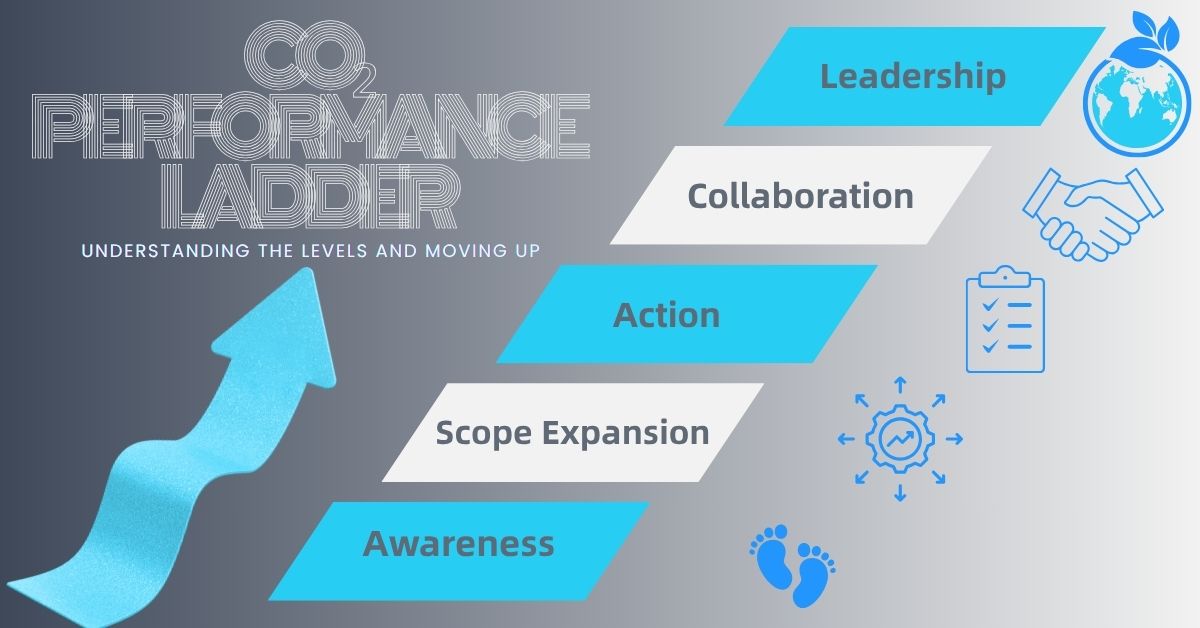
The CO₂ Performance Ladder is a powerful framework guiding organisations toward climate leadership and sustainable growth. With five progressive levels, it helps companies measure, manage, and reduce carbon emissions—starting from mapping direct emissions to achieving sector-wide influence and innovation. Advancing up the Ladder brings tangible benefits: access to more contracts, operational savings, enhanced reputation, and future-proofing against regulatory changes. While challenges like data collection and internal buy-in exist, practical solutions and a step-by-step approach make progress achievable. By embracing the Ladder, organisations can turn climate ambition into competitive advantage and lead the way to a zero-carbon future.

Environment
Carbon Footprinting for Products vs. Organisations: What’s the Difference?

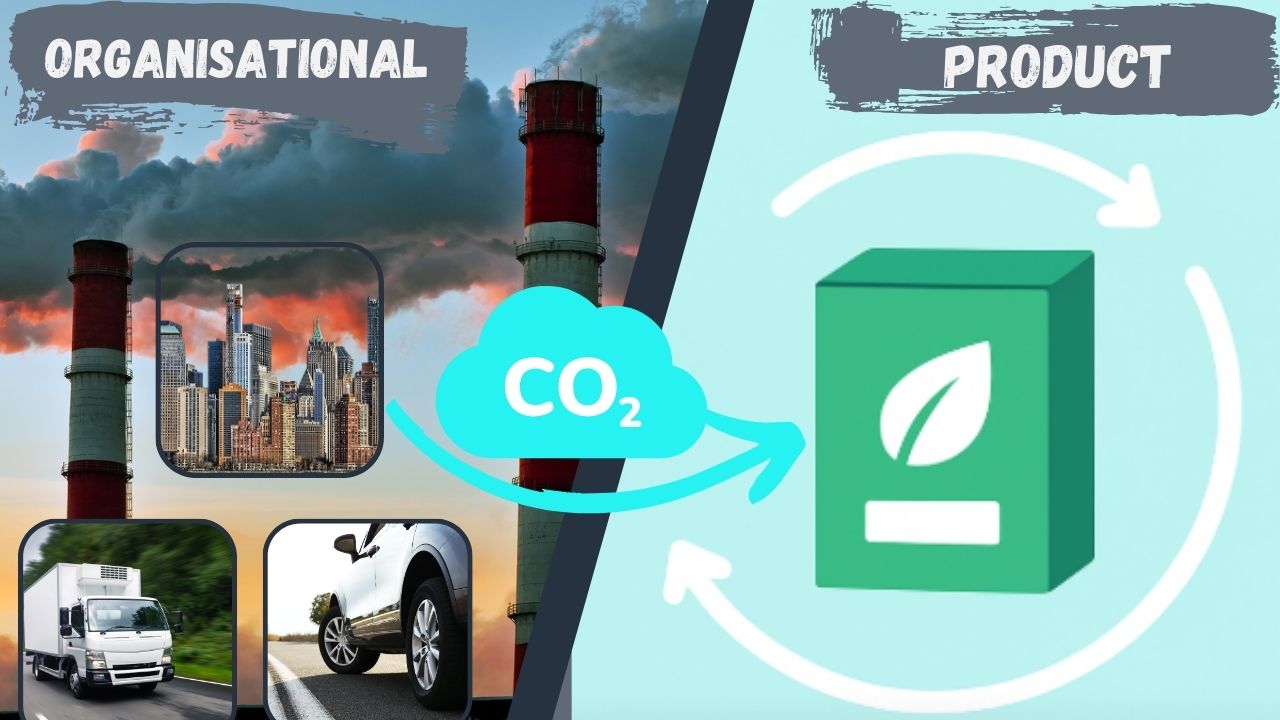
Understanding the difference between organisational and product carbon footprints is key for businesses aiming to lead in sustainability. An organisational carbon footprint measures total greenhouse gas emissions from all company operations, guiding strategy and reporting. In contrast, a product carbon footprint tracks emissions across a product’s entire life cycle, supporting eco-design, marketing, and procurement. Both approaches use robust standards like ISO 14064 and ISO 14067. By leveraging both, companies can meet regulatory requirements, satisfy customer expectations, and gain a competitive edge—offering a complete, credible picture of their climate impact in today’s evolving sustainability landscape.

Environment
The Real Benefits of ISO 14001 Nobody Talks About

ISO 14001 is often seen as just a compliance badge, but its real power goes far beyond ticking boxes. When embraced as a living system, ISO 14001 can transform your company’s culture, making sustainability everyone’s responsibility—not just management’s. It builds authentic customer trust, helps you win tenders, and aligns seamlessly with broader ESG goals. More than just risk reduction, it empowers employees to innovate and take ownership of environmental performance. The companies that truly “get” ISO 14001 don’t just pass audits—they lead their industries in sustainability and long-term success.

Energy
What Makes a Great Energy Management System (EnMS)?

A great Energy Management System (EnMS) is more than just a compliance tool—it’s a strategic engine that drives cost savings, reduces emissions, and supports broader business goals. Built on strong policy, accurate data, actionable plans, and continuous review, a top-tier EnMS leverages digital tools for real-time monitoring, predictive analytics, and automation. Integration with standards like ISO 50001 ensures best practices and opens doors to financial incentives. Regularly updating your EnMS keeps it aligned with evolving business needs and technology, making it a cornerstone for sustainability and operational excellence.

Environment
Top 5 Mistakes Companies Make in GHG Accounting (and How to Avoid Them)

Greenhouse gas (GHG) accounting is essential for companies aiming for sustainability, but common mistakes can undermine efforts. The top pitfalls include misclassifying or missing emission scopes, using outdated emission factors, relying on poor-quality data, overlooking Scope 3 emissions, and skipping verification. To avoid these, companies should train teams on GHG protocols, use up-to-date data and tools, prioritise accurate data collection, engage with suppliers for Scope 3, and verify inventories internally or with third parties. By focusing on data quality and robust frameworks, organisations can build credible GHG inventories that support compliance and real climate progress.

Energy
Counting Carbon: Why Scope 3 Emissions Matter (Even If You Can’t Control Them)

Scope 3 emissions—those indirect emissions across your value chain—often make up the largest share of an organisation’s carbon footprint. Unlike Scope 1 and 2, which are easier to measure and control, Scope 3 covers everything from purchased goods and transportation to product use and disposal. Tackling these emissions is challenging, requiring collaboration with suppliers, robust data collection, and industry standards like the GHG Protocol. However, addressing Scope 3 is now a business imperative, as stakeholders demand greater transparency and action. By engaging your value chain and taking responsibility for all emissions, you can drive meaningful change and lead in sustainability.