In today’s rapidly evolving sustainability landscape, carbon footprinting has become a cornerstone for businesses aiming to demonstrate environmental responsibility. Yet, many professionals—especially those in procurement, marketing, and sustainability roles—find themselves asking: What’s the difference between a product carbon footprint and an organisational carbon footprint? More importantly, why does understanding both matter for your business’s credibility and future reporting requirements?
This article unpacks the distinctions, common use cases, and frameworks for each approach, and offers guidance on where to start. By the end, you’ll see why product and organisational footprints are not competing metrics, but complementary tools that together provide clarity and credibility for your sustainability journey.
Organisational vs. Product-Level Carbon Footprints: An Overview
Organisational Carbon Footprint
An organisational carbon footprint measures the total greenhouse gas (GHG) emissions generated by a company’s operations over a defined period—typically a year. This includes emissions from energy use, company vehicles, business travel, purchased goods and services, waste, and more. The goal is to capture the full climate impact of running the business.
Product Carbon Footprint
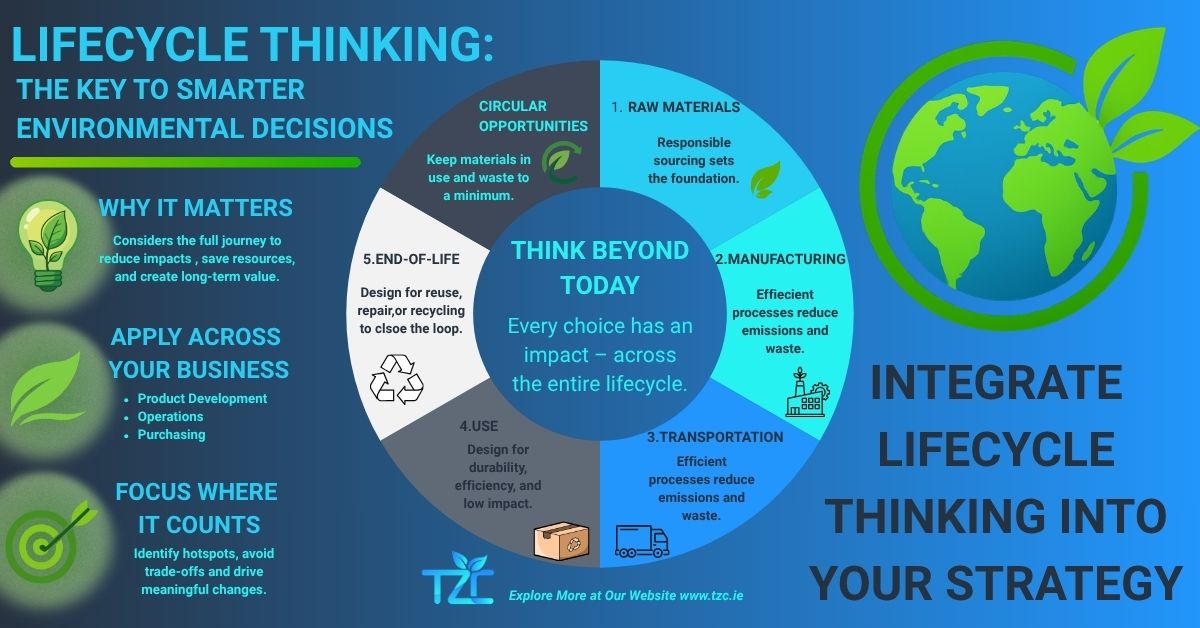
A product carbon footprint, on the other hand, quantifies the GHG emissions associated with a specific product throughout its life cycle. This includes raw material extraction, manufacturing, transportation, use, and end-of-life disposal or recycling. The focus is on the environmental impact of a single product or product line, rather than the company as a whole.
Key Differences:
Purpose: Organisational footprints inform corporate strategy and reporting. Product footprints support product design, marketing, and procurement decisions.
Scope: Organisational footprints are broad, covering all business activities. Product footprints are granular, focusing on individual goods or services.
Common Use Cases: When to Use Each Approach
Organisational Carbon Footprints:
- Corporate Sustainability Reporting: Most commonly used for annual sustainability or ESG (Environmental, Social, Governance) reports.
- Setting Science-Based Targets: Required for companies committing to net-zero or science-based targets.
- Investor and Stakeholder Communication: Increasingly demanded by investors, regulators, and customers.
- Identifying Hotspots: Helps pinpoint high-emission areas across the business for targeted reduction efforts.
Product Carbon Footprints:
- Eco-Labelling and Marketing: Supports claims such as “carbon neutral” or “low carbon” on products.
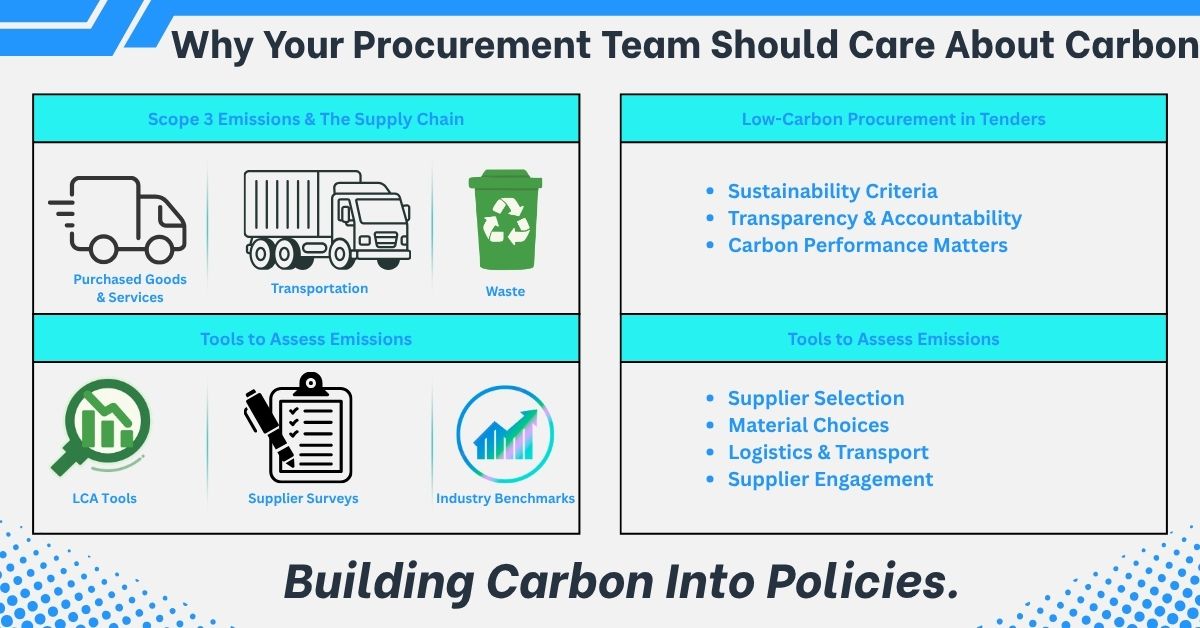
- Sustainable Procurement: Enables buyers to compare the environmental impact of competing products.
- Product Design and Innovation: Informs R&D teams on how to reduce emissions through material choices or process improvements.
- Customer Transparency: Meets growing consumer demand for information about the environmental impact of their purchases.
Overlap:
Some companies use both approaches in tandem—for example, reporting their organisational footprint while also providing product-level data to customers or partners.
Frameworks and Standards: ISO 14064, GHG Protocol, and EPDs
Organisational Footprinting Frameworks:
- ISO 14064: An international standard for quantifying and reporting GHG emissions at the organisational level.
- GHG Protocol Corporate Standard: The most widely used framework globally, providing detailed guidance on accounting for Scope 1, 2, and 3 emissions.
Product Footprinting Frameworks:
- ISO 14067: Focuses on the carbon footprint of products, specifying principles and requirements for quantification and communication.
- GHG Protocol Product Standard: Offers a consistent method for measuring the life cycle GHG emissions of products.
- Environmental Product Declarations (EPDs): Standardised documents that communicate verified, transparent information about the life cycle environmental impact of products, often based on ISO 14025.
Key Takeaway:
While both organisational and product footprints rely on robust, internationally recognised standards, the choice of framework depends on your reporting goals and audience.
Where to Start: Choosing the Right Footprint for Your Business
Start with Your Business Objectives:
- If your goal is to meet regulatory requirements, attract investors, or set company-wide reduction targets: Begin with an organisational carbon footprint. This provides a holistic view and is often the first step in a sustainability journey.
- If you want to differentiate products, respond to customer demand, or drive innovation: Consider starting with product carbon footprints, especially for flagship or high-volume products.
Resource Considerations:
- Organisational footprints are generally less resource-intensive to calculate, as they aggregate data at a higher level.
- Product footprints require more detailed data collection and analysis, but yield insights that can drive product-level improvements and marketing claims.
Integration:
Many businesses find value in integrating both approaches over time. For example, an organisational footprint can highlight high-impact product lines, which can then be analysed in more detail at the product level.
Why Both Matter: The Future of Sustainability Reporting
Regulatory Trends:
Global regulations are moving toward greater transparency and accountability. The EU’s Corporate Sustainability Reporting Directive (CSRD), for example, will require detailed emissions disclosures at both the organisational and product levels for many companies.
Market Expectations:
Customers, investors, and partners increasingly expect businesses to provide both types of data. Product-level transparency builds trust with consumers, while organisational reporting satisfies broader stakeholder demands.
Competitive Advantage:
Companies that understand and communicate both their organisational and product footprints are better positioned to:
- Win contracts with sustainability-minded buyers
- Respond to RFPs (Requests for Proposals) that require detailed emissions data
- Demonstrate leadership in their sector
Credibility and Clarity:
Relying on only one type of footprint can leave gaps in your sustainability story. Organisational footprints show your overall commitment, while product footprints provide the detail and transparency that customers and partners crave. Together, they offer a complete, credible picture of your climate impact.
Conclusion: Complementary Tools for a Credible Sustainability Strategy
For procurement, marketing, and sustainability professionals, understanding the difference between organisational and product carbon footprints is more than an academic exercise—it’s a strategic imperative. These tools are not mutually exclusive; rather, they complement each other, providing the clarity and credibility your business needs to thrive in a low-carbon economy.
By leveraging both approaches, you can meet regulatory requirements, satisfy customer expectations, and drive meaningful change within your organisation and across your value chain.
Recommended Keywords
Net zero targets
Carbon footprint
Product carbon footprint
Organisational carbon footprint
GHG Protocol
ISO 14064
ISO 14067
Environmental Product Declaration (EPD)
Sustainability reporting
Scope 1 2 3 emissions
Corporate sustainability
Sustainable procurement
Carbon accounting
ESG reporting
Life cycle assessment