Walk into the lobby of any forward-thinking company and you’ll likely see a plaque or certificate proudly displayed: “ISO 50001 Certified,” “ISO 14001 Achieved,” or another badge of environmental or energy management honour. For many organisations, this is a moment of pride—a tangible symbol of their commitment to sustainability. But here’s the uncomfortable truth: certification alone won’t make you sustainable.
The Misconception: “We’re ISO Certified, So We’re Sustainable.”
It’s a common refrain: “We’ve achieved ISO 50001, so we’re doing our part for the planet.” The logic seems sound. After all, ISO standards are globally recognised frameworks for best practice. But equating certification with sustainability is a dangerous oversimplification.
ISO certification is a rigorous process, no doubt. It requires documentation, audits, and a demonstration of compliance with a set of standards. But too often, organisations treat the certificate as the finish line rather than the starting point. The real work begins after the auditors leave.
Compliance vs. Continuous Improvement
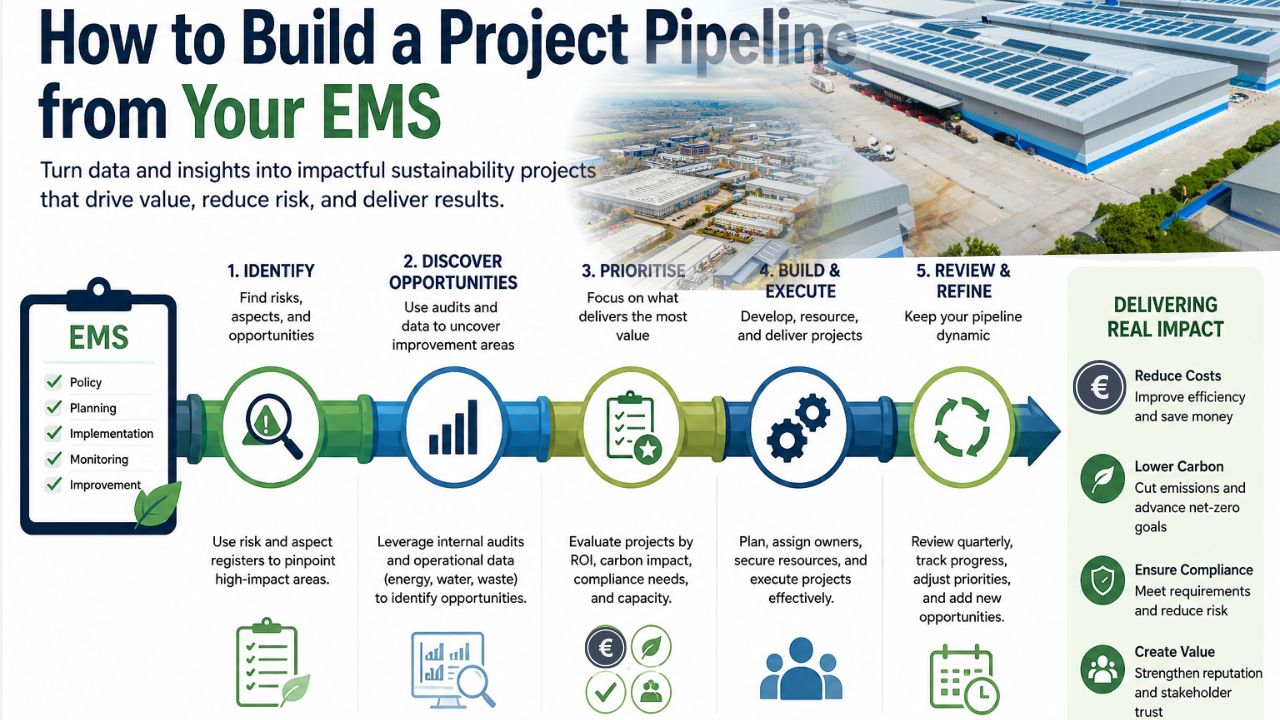
Let’s be clear: ISO standards, including 50001 (energy management) and 14001 (environmental management), require organisations to demonstrate a commitment to continuous improvement. This is not a box-ticking exercise. The standards are designed to foster a culture where processes are regularly reviewed, measured, and enhanced.
However, there’s a subtle but critical distinction between meeting the minimum requirements for compliance and embracing the spirit of continuous improvement. Compliance means you’ve met the baseline. Continuous improvement means you’re always looking for ways to do better—beyond what’s required, beyond what’s comfortable.
Many organisations fall into the trap of “compliance mode.” They do just enough to pass the audit, update the necessary documents, and ensure that procedures are followed. But true sustainability demands more. It requires a mindset shift: from “What do we have to do?” to “What more can we do?”
Where Many Certified Systems Fall Short
If you’ve been through the ISO certification process, you know it involves regular audits, both internal and external. These audits are designed to identify gaps, non-conformities, and opportunities for improvement. But here’s where many systems falter: audit findings are noted, reports are filed, and then… nothing happens.
It’s not uncommon for organisations to treat audit findings as administrative hurdles rather than catalysts for change. Corrective actions are logged, but not always implemented. Opportunities for improvement are acknowledged, but not prioritised. The result? The same issues resurface year after year, and the organisation’s sustainability performance stagnates.
This isn’t just a missed opportunity, it’s a risk. Failing to act on audit findings undermines the credibility of the management system and erodes trust among employees, customers, and stakeholders. Worse, it perpetuates the illusion of progress while real environmental or energy impacts go unaddressed.
Using ISO Frameworks as Tools for Real Change
So, how can organisations move beyond the plaque on the wall and use ISO frameworks as tools for genuine, lasting change?
1. Embrace the Spirit, Not Just the Letter, of the Standard
ISO standards are intentionally flexible. They provide a framework, not a prescription. Use this flexibility to tailor your management system to your organisation’s unique context, risks, and opportunities. Don’t settle for the minimum—set ambitious goals that reflect your values and vision.
2. Make Audit Findings Actionable
Treat every audit as a learning opportunity. When findings are identified, respond with urgency and transparency. Assign clear ownership, set deadlines, and track progress. Celebrate improvements, but also be honest about setbacks. This creates a culture of accountability and learning.
3. Engage Employees at All Levels
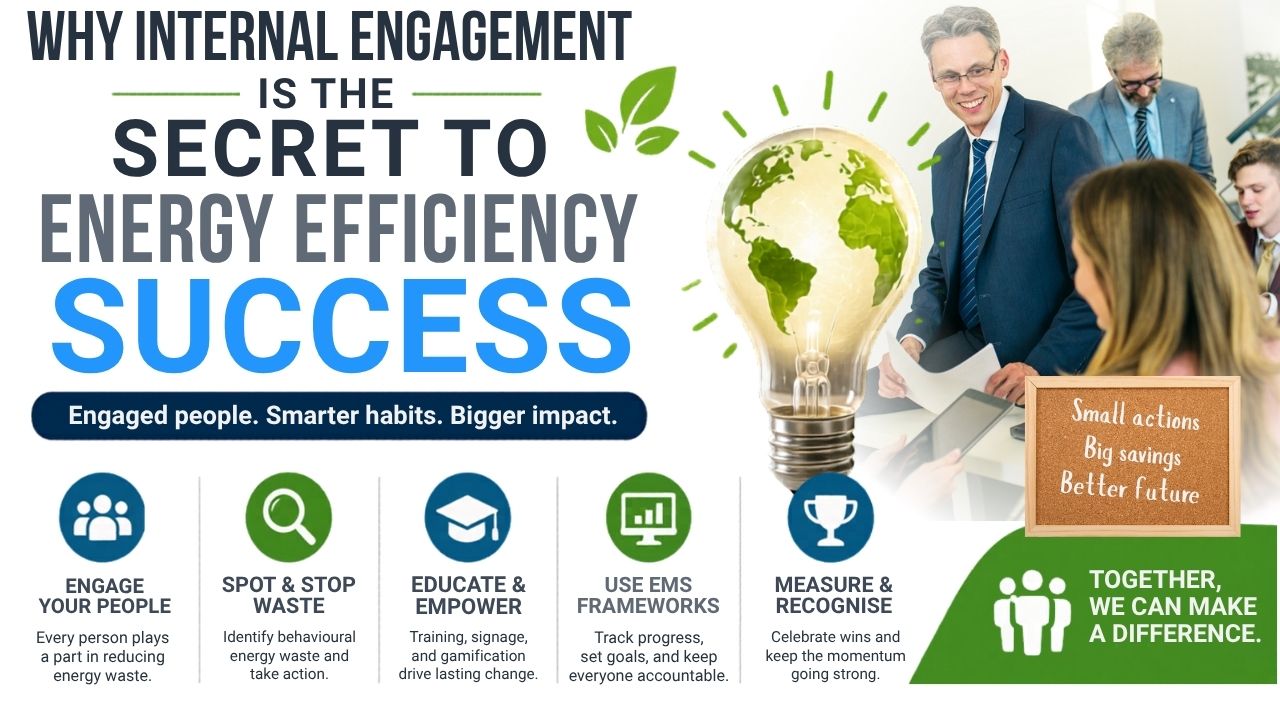
Sustainability isn’t just the responsibility of a single department or the quality manager, it’s everyone’s job. Involve employees in identifying opportunities for improvement, solving problems, and celebrating successes. When people see that their ideas lead to real change, engagement and innovation flourish.
4. Integrate Sustainability Into Business Strategy
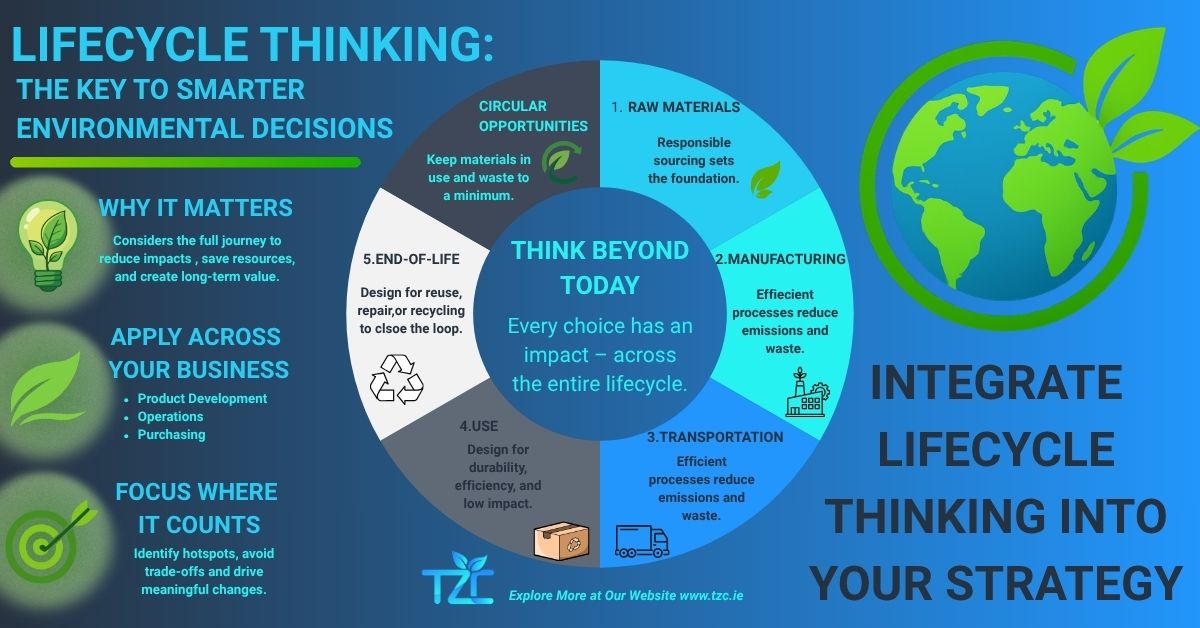
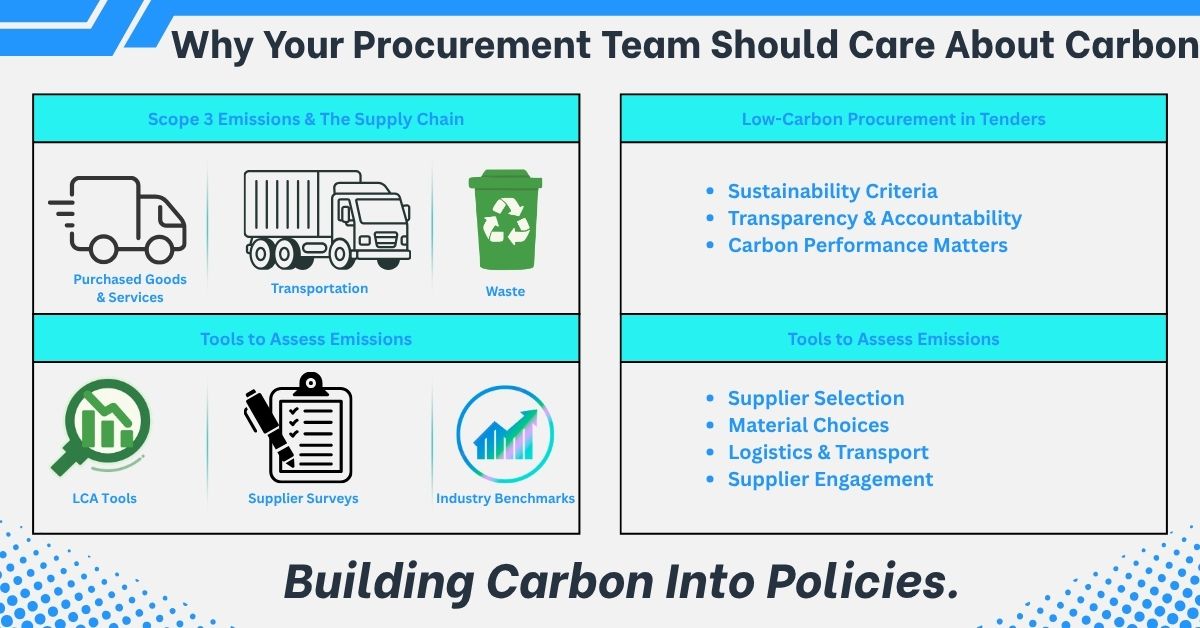
ISO certification should not be a siloed activity. Integrate your management system into broader business planning and decision-making. Use data from your system to inform investments, product development, and customer engagement. When sustainability becomes part of “how we do business,” it drives value across the organisation.
5. Measure What Matters—and Share Results
Don’t just measure what’s easy, measure what’s meaningful. Track key performance indicators that reflect your sustainability goals, and report progress transparently to stakeholders. Use this data to drive improvement, not just to satisfy auditors.
Certification Is a Milestone, Not the Destination
Achieving ISO certification is an accomplishment worth celebrating. It demonstrates commitment, discipline, and a willingness to be held accountable. But it’s not the end of the journey, it’s a milestone along the path to true sustainability.
The real power of ISO certification lies in how you use it. Will it be a plaque that gathers dust, or a catalyst for continuous improvement? Will it be a symbol of past achievement, or a tool for future progress?
Sustainability is not a static state, it’s a dynamic process of learning, adapting, and striving for better. The organisations that lead in sustainability are those that see certification not as the destination, but as the starting line for ongoing improvement.
So, don’t stop at the plaque on the wall. Use your ISO management system as a living, breathing tool for change. Challenge yourself to go beyond compliance. Act on audit findings. Engage your people. Integrate sustainability into your strategy. Measure what matters.
Because in the end, sustainability isn’t something you achieve once—it’s something you work toward every day.
Learn more about our sustainability solutions at TzcTZC | Improving Sustainability Through Expert Solutions .
Recommended Keywords:
corporate sustainability
ISO certification
sustainability
continuous improvement
ISO 50001
ISO 14001
environmental management
energy management
audit findings
compliance vs improvement
sustainable business practices
management systems