Energy waste is everywhere in industrial operations. From the hum of idle machines to the hiss of compressed air leaks, inefficiency quietly erodes margins and undermines sustainability goals. But here’s the good news: with the right systems and mindset, you can turn waste into measurable savings—often faster than you think.
This guide walks you through the most common types of energy waste, practical process walkthroughs, detection tools, and how to embed a culture of continuous improvement. Whether you’re chasing quick wins or planning capital projects, the path to lower energy bills and higher operational performance starts here.
Common Types of Energy Waste
Before you can eliminate waste, you need to know where to look. In industrial environments, energy waste typically falls into three main categories:
1. Idle Time
Machines left running when not in use are a silent drain on your bottom line. Motors, conveyors, pumps, and even lighting systems often remain powered up during breaks, shift changes, or downtime. This “phantom load” can account for a significant portion of your facility’s energy bill.
Action: Audit your equipment schedules. Implement automatic shut-off controls or simple lockout/tagout procedures to ensure machines are only running when needed.
2. Leaks
Leaks—especially in compressed air, steam, and water systems—are notorious for wasting energy. A single 1/8-inch compressed air leak can cost thousands of euros per year in wasted electricity. Steam leaks not only waste energy but can also create safety hazards and maintenance headaches.
Action: Schedule regular leak detection surveys. Train staff to listen for leaks and report them immediately.
3. Over-Sizing
Oversized equipment—whether it’s pumps, fans, or HVAC units—runs less efficiently and consumes more energy than properly sized alternatives. Over-sizing often results from “playing it safe” during design or expansion, but it leads to chronic inefficiency.
Action: Review equipment sizing during upgrades or replacements. Use actual process data to right-size new installations.
Process Walkthroughs: Where Energy Waste Hides
Let’s break down three core processes where energy waste commonly lurks—and how to spot it.
Lighting
- Common Waste: Lights left on in unoccupied areas, outdated fixtures, poor placement.
- Quick Wins: Install occupancy sensors and daylight controls. Replace old fluorescent or HID lamps with high-efficiency LEDs.
- Capital Projects: Consider a full lighting redesign to optimise placement and controls for your facility’s workflow.
HVAC (Heating, Ventilation, and Air Conditioning)
- Common Waste: Simultaneous heating and cooling, poorly maintained filters, leaky ductwork, and uncalibrated thermostats.
- Quick Wins: Regularly clean and replace filters. Set temperature setpoints based on occupancy and process needs. Seal obvious duct leaks.
- Capital Projects: Upgrade to variable speed drives (VSDs) on fans and pumps. Invest in building management systems for automated control.
Compressed Air
Common Waste: Leaks, inappropriate uses (like cleaning floors), excessive pressure settings, and uninsulated piping.
Quick Wins: Fix leaks, lower system pressure to the minimum required, and eliminate non-essential uses.
Capital Projects: Replace old compressors with high-efficiency models. Install storage receivers and advanced controls for demand management.
Tools for Detection: Submetering, Infrared, Analytics
You can’t manage what you don’t measure. The right tools make energy waste visible and actionable.
Submetering
Installing submeters on key equipment or process lines provides granular visibility into where energy is being used—and wasted. Submetering helps you benchmark performance, identify anomalies, and justify investments.
Tip: Start with your biggest loads or most critical processes. Use the data to prioritise improvement projects.
Infrared (IR) Thermography
IR cameras quickly reveal heat loss, insulation failures, and electrical issues. They’re invaluable for spotting problems in steam systems, electrical panels, and building envelopes.
Tip: Schedule periodic IR scans as part of your preventive maintenance program.
Analytics Platforms
Modern energy analytics platforms aggregate data from meters, sensors, and building systems. They use algorithms to flag unusual consumption patterns, track savings, and generate actionable reports.
Tip: Choose a platform that integrates with your existing systems and provides real-time alerts for deviations.
Quick-Win vs. Capital Projects
Not all energy-saving opportunities require major investment. Here’s how to distinguish between quick wins and capital projects:
Quick Wins
- Low or no cost: Adjusting setpoints, fixing leaks, scheduling equipment shutdowns.
- Fast payback: Most quick wins pay for themselves in less than a year.
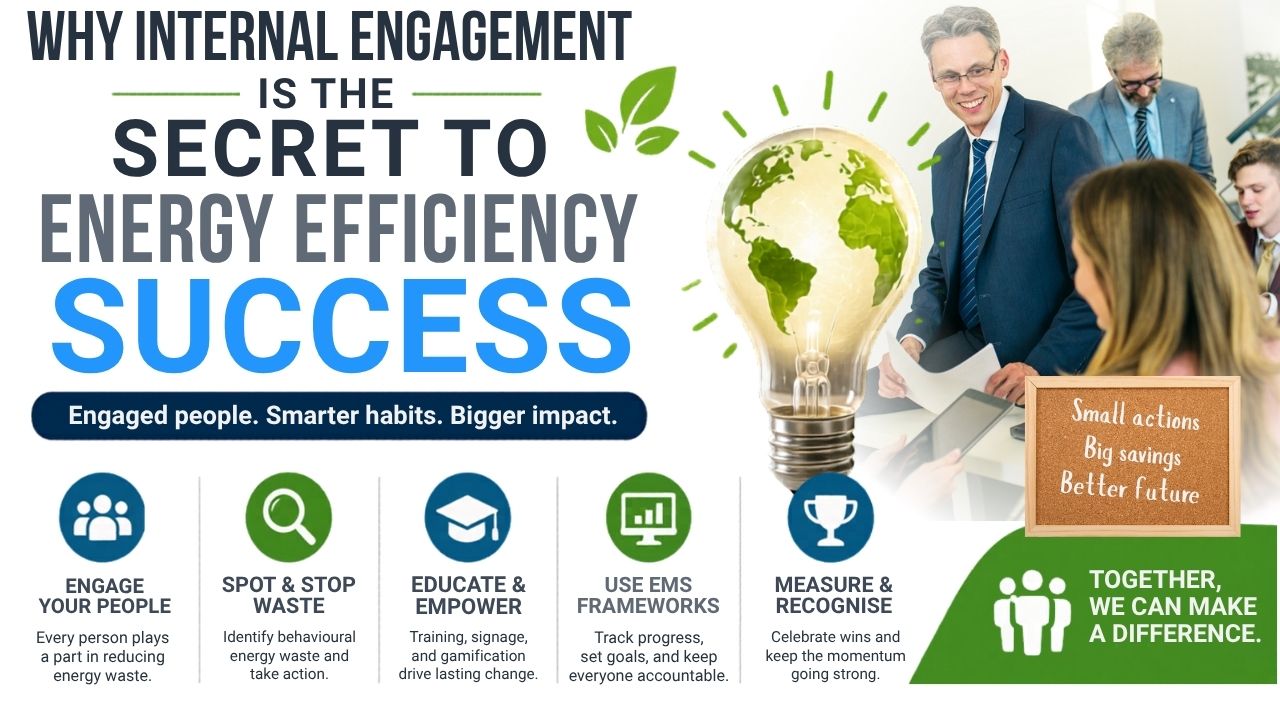
- Empower your team: Encourage operators and technicians to suggest and implement improvements.
Capital Projects
- Higher upfront cost: Equipment upgrades, automation, or process redesigns.
- Longer payback: Typically 2–5 years, but with larger savings potential.
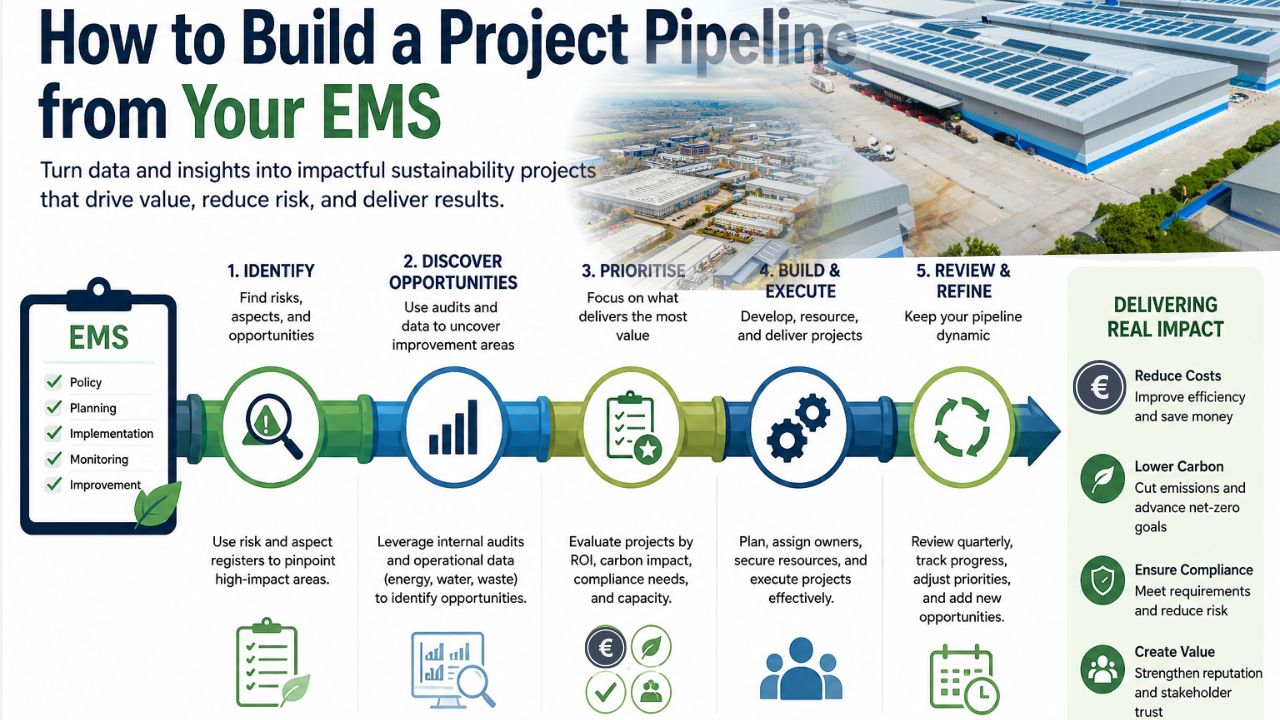
- Plan strategically: Use data from quick wins and submetering to build a business case for investment.
Pro Tip: Bundle quick wins and capital projects into a rolling energy management plan. Celebrate early successes to build momentum for larger initiatives.
Embedding a Continuous Improvement Mindset
Sustained energy savings require more than one-off projects—they demand a culture of continuous improvement.
Leadership Commitment
Visible support from operations and engineering leads is essential. Set clear energy performance targets and communicate progress regularly.
Employee Engagement
Frontline staff are your eyes and ears. Train them to spot waste, report issues, and suggest improvements. Recognise and reward contributions.
Standard Operating Procedures
Incorporate energy efficiency into SOPs for maintenance, production, and shutdown/startup. Make energy management part of everyone’s job description.
Continuous Monitoring
Use your detection tools to track progress. Review data monthly, investigate anomalies, and adjust strategies as needed.
Conclusion: Turn Waste Into Savings
Energy waste is everywhere—but it doesn’t have to be. By systematically identifying, measuring, and addressing inefficiencies, you can unlock significant savings and boost operational performance. The right systems and a culture of continuous improvement will turn energy waste from an unavoidable cost into a source of competitive advantage.
Start today. Audit your processes, empower your team, and invest in the tools that make waste visible. Every kilowatt saved is a step toward a more profitable, sustainable operation.
Recommended Keywords
- Energy waste in industry
- Industrial energy efficiency
- Energy audits
- Compressed air leaks
- Submetering
- Infrared thermography
- Energy analytics
- Quick-win energy savings
- Capital energy projects
- Continuous improvement energy