Greenhouse gas (GHG) accounting is no longer optional for companies serious about sustainability and compliance. But getting it right? That’s a whole different challenge. With mounting pressure on sustainability and finance teams to report accurately, mistakes in GHG inventories can lead to reputational damage, compliance issues, and missed climate goals. The good news? These mistakes are avoidable. Let’s break down the top five pitfalls and how to steer clear of them.
1. Mixing Up Scopes or Missing Them
GHG accounting revolves around three scopes:
- Scope 1: Direct emissions from owned or controlled sources (e.g., company vehicles, on-site fuel combustion).
- Scope 2: Indirect emissions from purchased electricity, steam, heating, or cooling.
- Scope 3: All other indirect emissions across the value chain (e.g., supplier activities, employee commuting, product use).
One common mistake is misclassifying emissions between scopes, which can skew your inventory. For example, treating purchased electricity (Scope 2) as a Scope 1 emission or ignoring Scope 3 entirely (more on that later). Another issue? Leaving out entire categories of emissions due to oversight or lack of clarity.
How to Avoid It:
Invest in training your team to understand the GHG Protocol’s scope definitions. Use a robust framework or software that guides you through categorising emissions correctly. Double-check your inventory for missing sources—especially Scope 3, which often contains the largest share of emissions.
2. Using Outdated Emission Factors
Emission factors convert activity data (like fuel consumption or electricity use) into GHG emissions. But these factors change over time due to updates in science, technology, and energy grids. Using outdated factors can lead to inaccurate results, undermining the credibility of your reporting.
For instance, the carbon intensity of electricity grids varies as countries transition to renewable energy. If you’re using old factors, you could overestimate or underestimate your Scope 2 emissions.
How to Avoid It:
Always use the latest emission factors from reliable sources like the EPA, DEFRA, or IPCC. Regularly review and update your accounting tools and datasets to ensure they reflect current values.
3. Relying on Poor-Quality Data
Garbage in, garbage out. If the data feeding your GHG inventory is incomplete, inconsistent, or unreliable, your results will be too. Common issues include:
- Missing data for key activities (e.g., fuel use, waste generation).
- Inconsistent units or measurement methods across departments.
- Relying on estimates instead of actual data.
Poor-quality data not only compromises accuracy but also makes it harder to track progress or identify reduction opportunities.
How to Avoid It:
Establish clear data collection processes and standards. Assign accountability for data gathering across teams and ensure they have the tools they need. Where possible, prioritise actual measurements over estimates. If you must use estimates, document your assumptions transparently.
4. Ignoring Scope 3
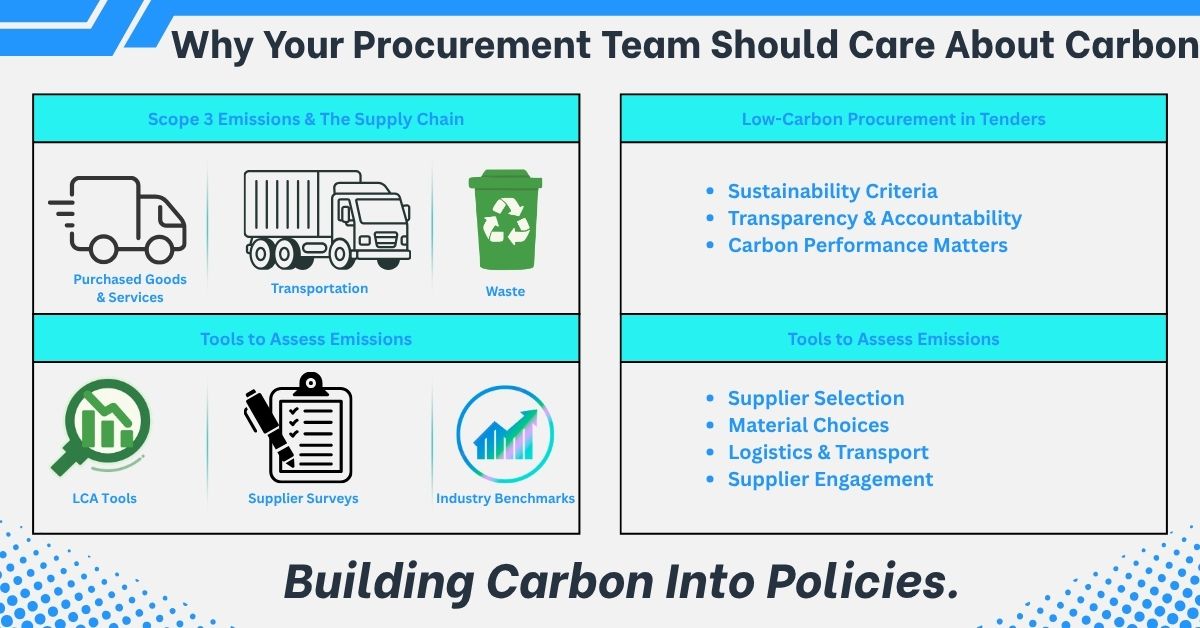
Scope 3 emissions often account for the majority of a company’s carbon footprint, yet they’re frequently overlooked because they’re complex and challenging to measure. Ignoring Scope 3 can give a false sense of progress and leave significant reduction opportunities untapped.
How to Avoid It:
Start by identifying your most material Scope 3 categories using tools like the GHG Protocol’s Scope 3 Standard. Engage with suppliers and partners to gather data and collaborate on reduction strategies. While it’s okay to start small, aim to expand your Scope 3 coverage over time for a more complete picture.
5. Not Verifying the Inventory
Even the most well-intentioned GHG inventory can contain errors if it’s not reviewed thoroughly. Without verification, inaccuracies can slip through, putting your company at risk of scrutiny from stakeholders or regulators.
Verification ensures your data is accurate, complete, and aligned with recognised standards. It also builds trust with investors, customers, and other stakeholders.
How to Avoid It:
Conduct internal reviews of your inventory before finalising it. For added assurance, consider third-party verification from a reputable organisation. This step may be required if you’re reporting under frameworks like CDP or SBTi.
A Brief Guide to Doing It Right
Avoiding these mistakes isn’t just about compliance—it’s about building a credible, actionable GHG inventory that drives real progress. Here’s a quick guide to getting it right:
Verify and Improve: Regularly review your inventory, seek third-party verification, and refine your approach over time.
Start with the Right Framework: Use established standards like the GHG Protocol or ISO 14064 to structure your inventory.
Prioritise Data Quality: Collect accurate, up-to-date, and complete data. Set clear processes for data collection and validation.
Engage Your Team: Train your sustainability and finance teams on GHG accounting basics and the importance of each scope.
Leverage Technology: Use reliable software to streamline data collection, calculation, and reporting.
Final Thoughts
Getting GHG accounting wrong is easier than you think—but it’s also avoidable. By focusing on clean data, clear scopes, and the right framework, your company can build a credible inventory that supports your sustainability goals. Avoid these common mistakes, and you’ll not only meet reporting requirements but also position your business as a leader in the transition to a low-carbon future.
Recommended Keywords:
- GHG accounting mistakes
- Greenhouse gas inventory
- Scope 1 emissions
- Scope 2 emissions
- Scope 3 emissions
- Carbon accounting best practices
- Emission factors
- Data quality in GHG reporting
- Sustainability reporting
- Third-party verification