When you hear “ISO 14001,” what’s the first thing that comes to mind? If it’s a mountain of paperwork, endless audits, and a compliance headache, you’re not alone. But here’s the thing: ISO 14001 doesn’t have to be a burden. In fact, when done right, it can be a powerful tool to simplify environmental management and drive real business value.
Let’s bust the myth that ISO 14001 is just about ticking boxes. Instead, we’ll explore how to make it efficient, relevant, and genuinely useful for your organisation.
Breaking the Myth: ISO 14001 ≠ Paperwork
One of the biggest misconceptions about ISO 14001 is that it’s all about documentation. Sure, there’s a need for records and procedures, but the standard isn’t designed to drown you in bureaucracy. The real purpose of ISO 14001 is to create a framework for managing your environmental impacts effectively.
The problem? Many organisations overcomplicate it. They treat it as a compliance exercise rather than a practical tool. This mindset leads to bloated systems that no one wants to engage with.
Here’s the truth: ISO 14001 is flexible. It’s meant to adapt to your business, not the other way around. If your Environmental Management System (EMS) feels like a chore, it’s time to rethink your approach.
How to Simplify Environmental Aspects and Impacts
At the heart of ISO 14001 is the concept of identifying and managing your environmental aspects and impacts. This step often feels overwhelming, but it doesn’t have to be.
Start by asking: What are the most significant ways our operations interact with the environment? Think about energy use, waste generation, emissions, and resource consumption. You don’t need to document every tiny detail—prioritise what matters most.
Once you’ve identified your key aspects, simplify how you assess their impacts. Use a straightforward scoring system to evaluate factors like severity, frequency, and likelihood. Keep it lean and avoid overcomplicating the process with unnecessary metrics.
The goal is to focus on actionable insights. What can you do to reduce your impacts? How can you improve efficiency? By keeping it simple, you’ll make it easier for your team to engage and take meaningful action.
Making the EMS Part of Daily Operations
One of the biggest mistakes organisations make is treating their EMS as a separate system. It sits in a binder on a shelf, only to be dusted off during audits. Sound familiar?
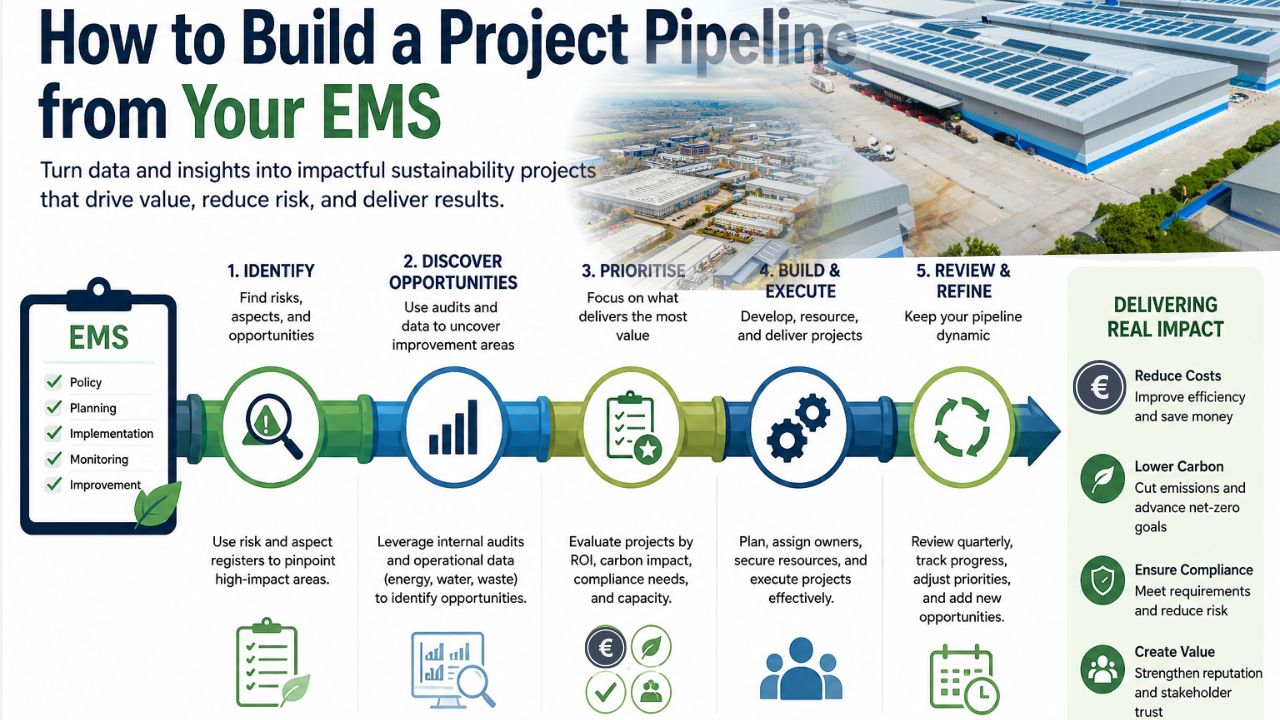
To make ISO 14001 work for you, integrate it into your daily operations. Your EMS should be a living, breathing part of your business—not an afterthought.
Here are a few ways to embed it into your culture:
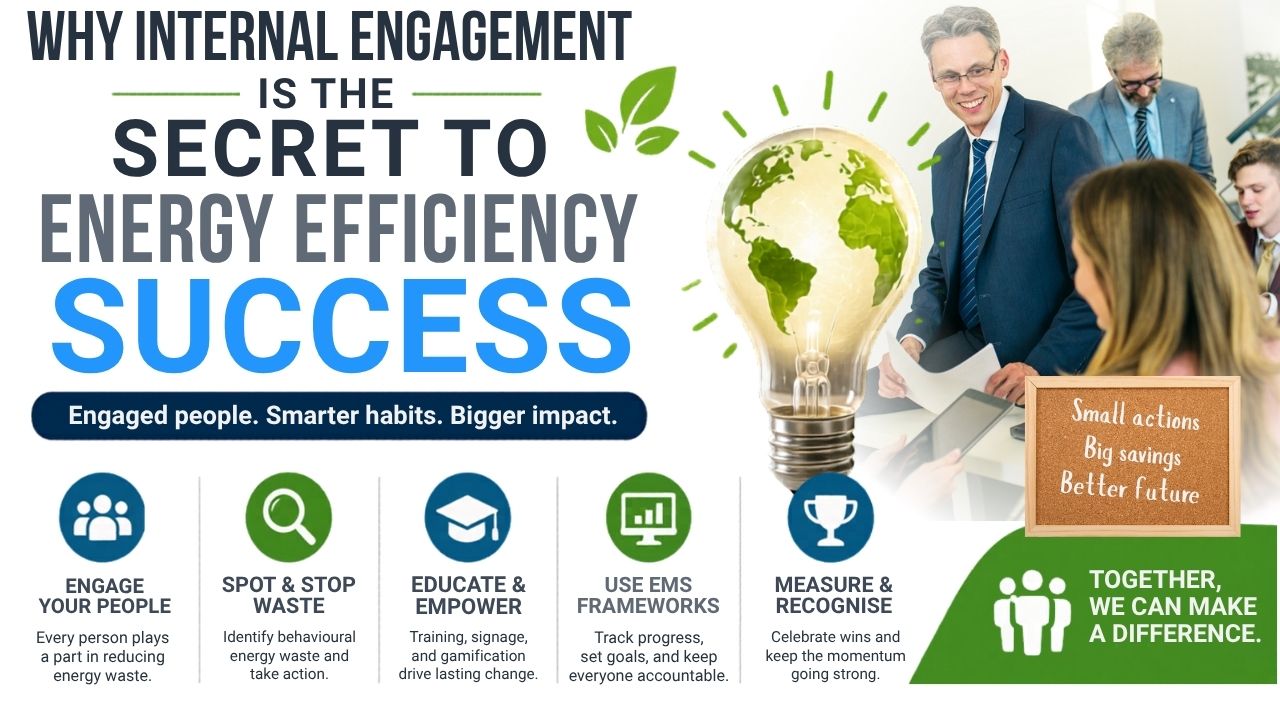
- Involve your team: Environmental management isn’t just the responsibility of the EHS department. Everyone has a role to play. Provide training, encourage feedback, and celebrate successes.
- Use existing processes: Don’t reinvent the wheel. Incorporate EMS requirements into your current workflows, whether it’s maintenance schedules, procurement policies, or performance reviews.
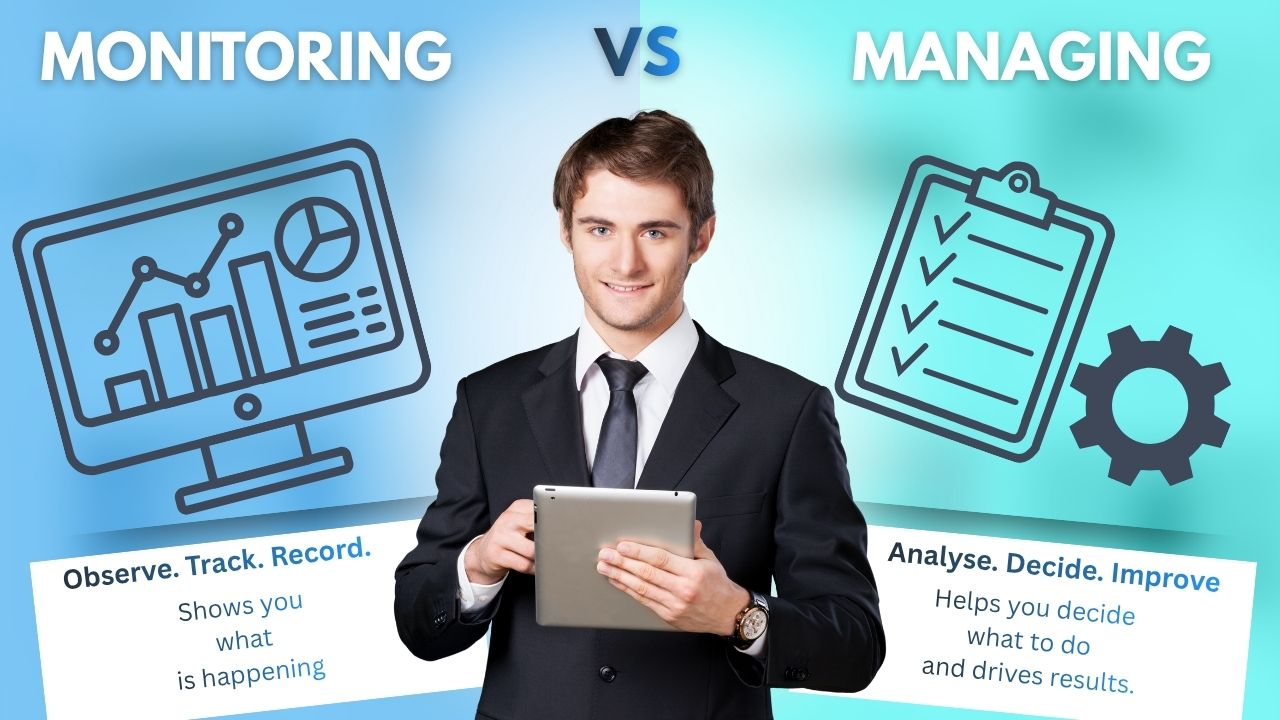
- Leverage technology: Digital tools can make it easier to track data, manage documents, and monitor progress. Look for solutions that integrate seamlessly with your operations.
When your EMS becomes part of the way you work, it stops feeling like a compliance burden and starts driving real change.
Connecting ISO 14001 to Real Business Value
Let’s talk about the bottom line. Why should your organisation care about ISO 14001? Beyond meeting regulatory requirements, what’s in it for you?
The answer lies in the business value it can unlock. Here’s how:
- Cost savings: Reducing waste, improving energy efficiency, and optimising resource use can lead to significant cost reductions. ISO 14001 helps you identify opportunities to save money while benefiting the environment.
- Risk management: By proactively addressing environmental risks, you can avoid costly fines, legal issues, and reputational damage. A robust EMS helps you stay ahead of potential challenges.
- Competitive advantage: Customers, investors, and stakeholders are increasingly prioritising sustainability. ISO 14001 certification demonstrates your commitment to environmental responsibility, giving you an edge in the market.
- Employee engagement: A strong EMS can boost morale by showing your team that you care about making a positive impact. Engaged employees are more likely to contribute to your sustainability goals.
When you connect ISO 14001 to real business outcomes, it becomes a strategic asset—not just a compliance tool.
Final Thoughts: Keep It Lean, Relevant, and Focused
ISO 14001 doesn’t have to be boring, complicated, or overwhelming. The key is to keep it lean, relevant, and focused on what truly matters. By simplifying your approach, integrating the EMS into daily operations, and aligning it with your business goals, you can turn ISO 14001 into a valuable tool for driving sustainability and success.
So, the next time someone mentions ISO 14001, don’t roll your eyes. Instead, see it for what it is: an opportunity to make a real difference—for your business and the planet.
Recommended Keywords:
Lean environmental management
ISO 14001
Environmental Management System
EMS integration
ISO 14001 benefits
Simplifying ISO 14001
Environmental compliance
Business value of ISO 14001