When it comes to carbon accounting, not all emissions are created equal. While Scope 1 and Scope 2 emissions are relatively straightforward to measure and manage, Scope 3 emissions are a different issue entirely. Yet, they often make up the largest share of an organisation’s carbon footprint. Tackling Scope 3 emissions is challenging, but it’s also essential for any business serious about decarbonisation. Let’s break each of these down.
Scope 1 vs. 2 vs. 3—What’s the Difference?
To understand why Scope 3 emissions matter, it’s important to first grasp the distinction between the three scopes of greenhouse gas (GHG) emissions:
Scope 3: This is where things get complex. Scope 3 includes all other indirect emissions that occur in your value chain, both upstream (e.g., purchased goods and services, transportation, waste) and downstream (e.g., product use, end-of-life disposal). Essentially, these are emissions linked to activities you don’t directly control but are still tied to your operations.
Scope 1: These are direct emissions from sources owned or controlled by your organisation. Think of emissions from company-owned vehicles or on-site fuel combustion.
Scope 2: These are indirect emissions from the generation of purchased electricity, steam, heating, or cooling consumed by your organisation. While you don’t produce these emissions directly, they result from your energy use.
Why Scope 3 Is Often the Largest Part of a Footprint
For most organisations, Scope 3 emissions dwarf those in Scopes 1 and 2. Why? Because they encompass the entire value chain. For example:
- A retailer’s Scope 3 emissions might include the carbon footprint of manufacturing the products they sell, transporting those products, and even the emissions from customers using and disposing of them.
- Alternatively, a tech company’s Scope 3 emissions could include the energy used by customers running their software on servers or devices.
In many industries, Scope 3 emissions can account for 70% or more of a company’s total carbon footprint. Ignoring them means ignoring the bulk of your climate impact—and missing opportunities to drive meaningful change.
Categories: Purchased Goods, Transport, Waste, and More
The GHG Protocol breaks Scope 3 emissions into 15 categories, covering a wide range of activities. Here are some of the most common categories businesses need to address:
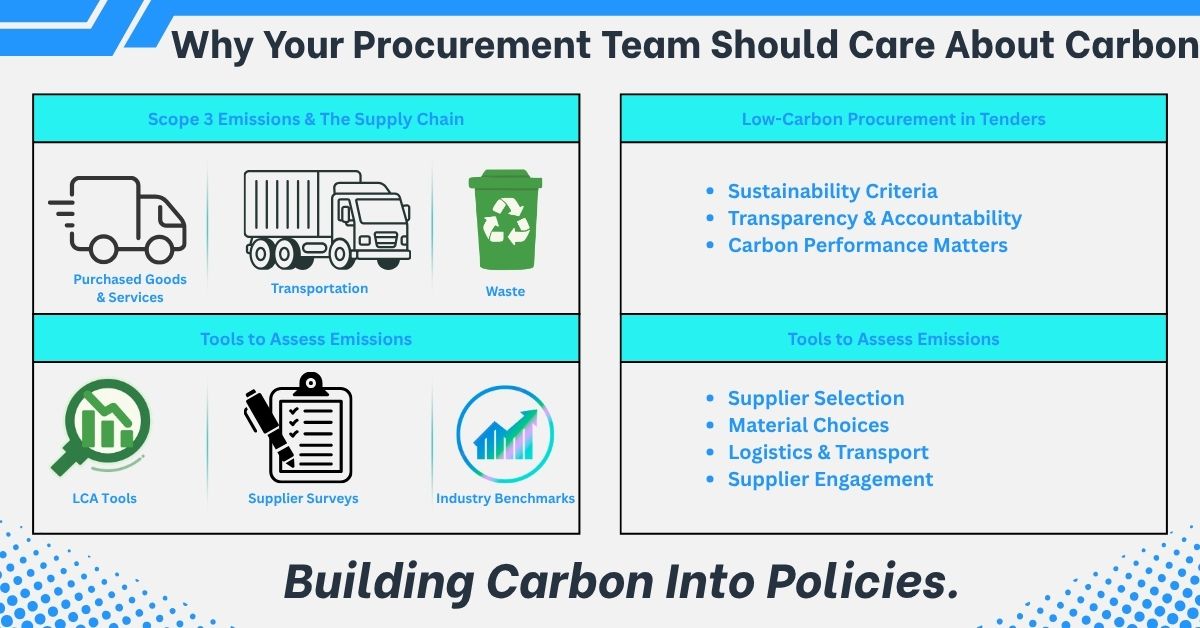
- Purchased Goods and Services: This includes the emissions from producing everything your organisation buys, from raw materials to office supplies.
- Transportation and Distribution: Whether it’s shipping goods to your warehouse or delivering products to customers, transportation emissions add up quickly.
- Waste Generated in Operations: The disposal and treatment of waste from your operations contribute to Scope 3 emissions.
- Employee Commuting and Business Travel: The emissions from how your employees get to work and travel for business are part of your Scope 3 footprint.
- Use of Sold Products: If your products consume energy during use (e.g., appliances, vehicles), those emissions fall under Scope 3.
- End-of-Life Treatment of Sold Products: What happens to your products when customers are done with them? Recycling, landfill, or incineration all have different carbon impacts.
Each category presents unique challenges—and opportunities—for reduction. Understanding where your biggest emissions lie is the first step
Data Collection Strategies and Tools
One of the biggest hurdles in addressing Scope 3 emissions is data collection. Unlike Scope 1 and 2 emissions, where you can rely on utility bills or fuel consumption records, Scope 3 data often requires input from suppliers, partners, and even customers. Here are some strategies to get started:
- Map Your Value Chain: Identify the key activities and players in your supply chain. This will help you focus on the areas with the highest emissions.
- Engage Suppliers: Work with your suppliers to gather data on their emissions. This might involve sending surveys, requesting lifecycle assessments, or using industry benchmarks.
- Leverage Industry Standards: Use frameworks like the GHG Protocol to guide your data collection efforts. These standards provide clear methodologies for calculating emissions across different categories.
- Estimate Where Necessary: In some cases, precise data might not be available. Use industry averages or proxy data to fill in the gaps, but aim to refine your estimates over time.
- Invest in Internal Systems: Develop robust internal processes for tracking and managing Scope 3 data. This could involve integrating carbon accounting into your procurement systems or training staff on data collection best practices.
While data collection can be daunting, it’s a critical step toward understanding and reducing your Scope 3 emissions.
How to Engage Suppliers in Your Carbon Strategy
Suppliers play a pivotal role in your Scope 3 emissions, especially in categories like purchased goods and transportation. Engaging them in your carbon strategy is essential—but it requires collaboration and clear communication. Here’s how to start:
- Set Expectations: Make it clear that sustainability is a priority for your organisation. Include carbon reduction goals in your supplier contracts and RFPs.
- Provide Support: Many suppliers, especially smaller ones, may lack the resources or expertise to measure and reduce their emissions. Offer training, tools, or financial incentives to help them get started.
- Collaborate on Solutions: Work with suppliers to identify opportunities for emission reductions. This could involve switching to renewable energy, optimising transportation routes, or redesigning products to use less material.
- Recognise Progress: Celebrate suppliers who make meaningful strides in reducing their emissions. This not only motivates them but also sets an example for others.
- Build Long-Term Partnerships: Reducing Scope 3 emissions is a marathon, not a sprint. Foster long-term relationships with suppliers who share your commitment to sustainability.
By engaging suppliers, you’re not just reducing your own carbon footprint—you’re driving change across the entire value chain.
Scope 3 Emissions Aren’t Optional Anymore
The days of focusing solely on Scope 1 and 2 emissions are over. Stakeholders—from investors to customers to regulators—are increasingly demanding transparency and action on Scope 3 emissions. Addressing them is no longer a “nice-to-have”; it’s a business imperative.
Yes, tackling Scope 3 emissions is hard. It requires collaboration, innovation, and a willingness to confront challenges outside your direct control. But it’s also an opportunity to lead. By taking responsibility for your entire carbon footprint, you can build a more sustainable business—and a more sustainable world.
Recommended Keywords:
Waste emissions
Scope 3 emissions
Carbon footprint
Greenhouse gas protocol
Value chain emissions
Supplier engagement
Carbon strategy
Decarbonisation
Purchased goods emissions
Transportation emissions