In today’s carbon-conscious world, businesses are under increasing pressure to demonstrate their environmental impact. Environmental Product Declarations (EPDs) are becoming a key tool for manufacturers, marketers, and sustainability teams to meet these expectations. But what exactly are EPDs, why are they important, and how can your business leverage them to gain a competitive edge? Let’s take a look.
What Are EPDs and Why Are They Needed?
An Environmental Product Declaration (EPD) is a standardised document that provides transparent, verified information about the environmental impact of a product throughout its lifecycle. Think of it as a “nutrition label” for sustainability, detailing metrics like energy use, carbon footprint, and resource consumption.
EPDs are based on international standards, such as ISO 14025, and are created using a Life Cycle Assessment (LCA). They allow businesses, governments, and consumers to compare products on an environmental basis, enabling informed decisions.
Why are EPDs so critical? Because they provide credibility. In a market where greenwashing is a growing concern, EPDs offer a verified, science-based way to prove a product’s environmental performance. For manufacturers, this means building trust with stakeholders and meeting the rising demand for transparency in supply chains.
EPDs in Green Public Procurement and B2B Sales
EPDs are not just a nice-to-have; they’re becoming a necessity in many industries. Governments and large organisations are increasingly prioritising green public procurement (GPP)—a practice where sustainability criteria are integrated into purchasing decisions. In many cases, EPDs are a requirement for suppliers bidding on public contracts.
For example, in the construction sector, EPDs are often used to assess the environmental impact of materials like concrete, steel, and insulation. Without an EPD, suppliers risk being excluded from projects that prioritise sustainability.
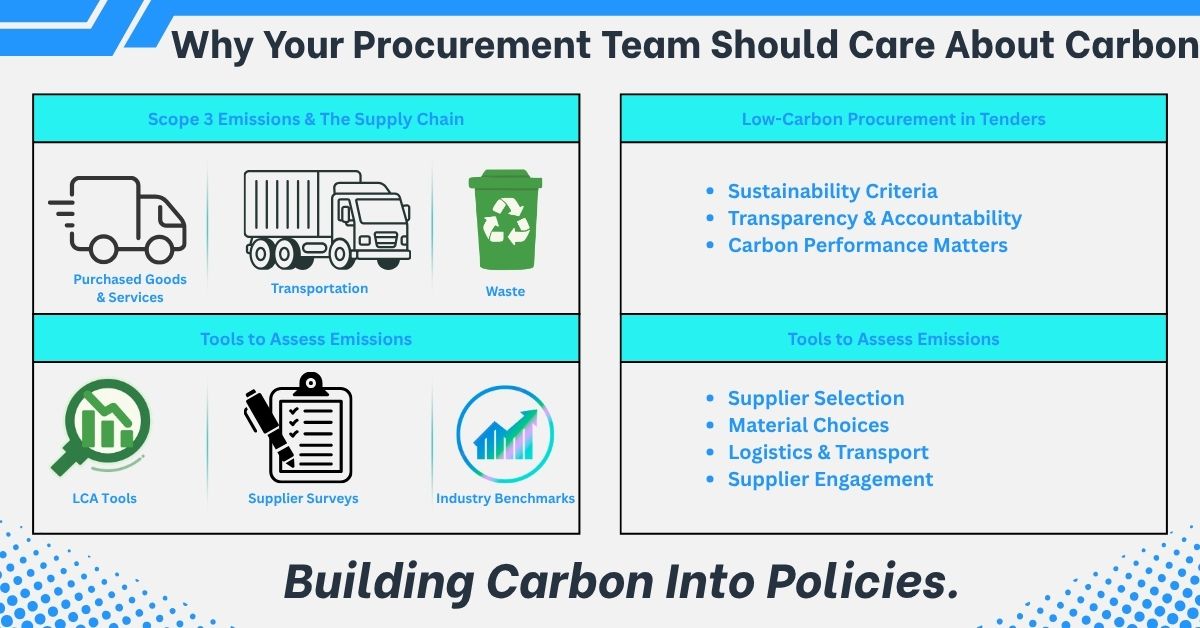
In B2B sales, EPDs are equally valuable. Businesses are under pressure to reduce their Scope 3 emissions (indirect emissions in their supply chain), and they rely on suppliers to provide accurate environmental data. An EPD positions your product as a low-carbon option, making it more attractive to sustainability-focused buyers.
Key Data Categories in an EPD: Energy, Materials, and Transport
EPDs cover a wide range of environmental data, but three key categories stand out:
- Energy Use: This includes the energy consumed during production, as well as the energy embedded in raw materials. Renewable energy use is also highlighted, which can be a major selling point.
- Materials: EPDs detail the types and quantities of materials used in a product. This includes information on recycled content, resource efficiency, and the impact of material extraction.
- Transport: The environmental impact of transporting raw materials, components, and finished products is also included. This data is crucial for understanding a product’s carbon footprint across its supply chain.
By focusing on these categories, EPDs provide a comprehensive view of a product’s environmental impact, enabling businesses to identify areas for improvement and communicate their sustainability efforts effectively.
The EPD Process: Data, LCA, Verification, and Publishing
Creating an EPD involves a structured process that ensures accuracy and credibility. Here’s a high-level overview:
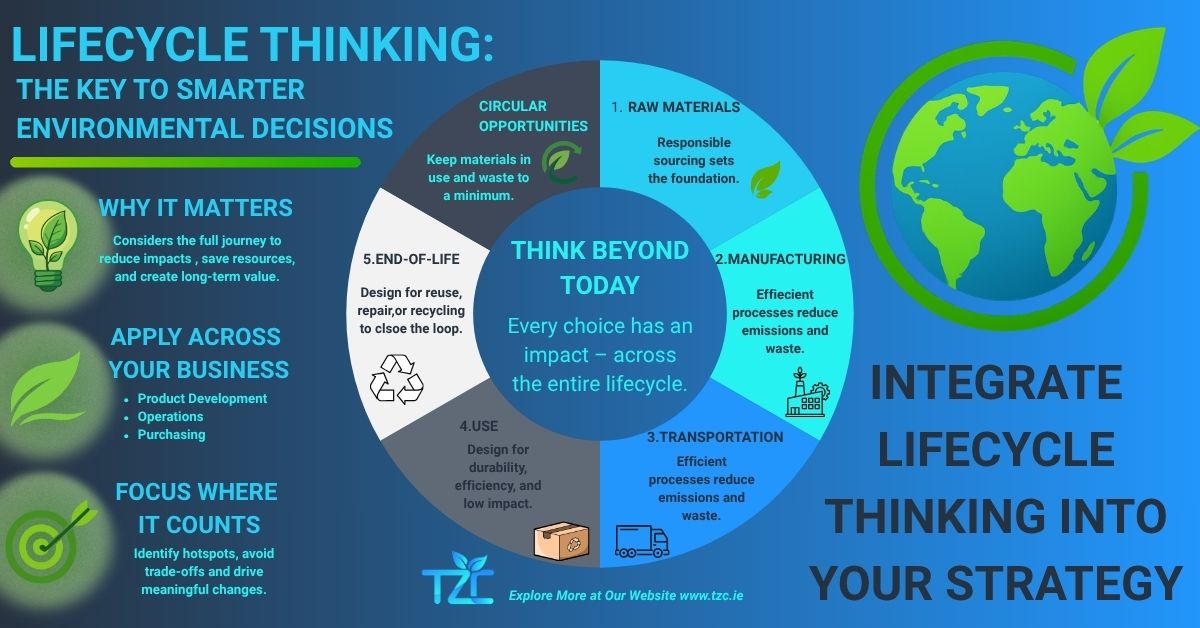
- Data Collection: The first step is gathering detailed data on your product’s lifecycle. This includes raw material extraction, manufacturing, transport, use, and end-of-life disposal. Accurate data is essential for a reliable EPD.
- Life Cycle Assessment (LCA): Using the collected data, an LCA is conducted to calculate the environmental impact of the product across its lifecycle. This analysis follows specific standards, such as ISO 14040 and ISO 14044.
- Verification: To ensure credibility, the EPD must be verified by an independent third party. This step confirms that the data and calculations meet the required standards.
- Publishing: Once verified, the EPD is published in a publicly accessible database. This makes it easy for stakeholders to access and compare environmental data.
While the process may seem complex, it’s a worthwhile investment. An EPD not only demonstrates your commitment to sustainability but also positions your product as a leader in low-carbon markets.
EPDs as a Trust Signal in Carbon-Conscious Markets
In today’s markets, trust is everything. Consumers and businesses alike are looking for products that align with their values, and EPDs serve as a powerful trust signal. By providing transparent, verified data, EPDs show that your company is serious about sustainability.
This trust translates into tangible benefits. For one, EPDs can help you win contracts and secure partnerships with organisations that prioritise environmental performance. They also enhance your brand reputation, making your products more appealing to eco-conscious customers.
Moreover, EPDs can give you a competitive edge in markets where carbon reduction is a priority. As governments and industries set stricter emissions targets, products with verified environmental performance will be in high demand. An EPD positions your product as a forward-thinking, sustainable choice—exactly what today’s markets are looking for.
Conclusion: Prove Your Environmental Performance, Gain a Competitive Edge
Environmental Product Declarations are more than just a compliance tool—they’re a strategic asset. By proving your product’s environmental performance, an EPD helps you build trust, meet market demands, and gain a competitive edge in low-carbon markets.
For manufacturers, marketers, and sustainability teams, investing in EPDs is a forward-looking move that aligns with global trends toward transparency and sustainability. Whether you’re aiming to win contracts, attract eco-conscious customers, or reduce your supply chain emissions, an EPD is a powerful way to demonstrate your commitment to a greener future.
Recommended Keywords:
- Environmental Product Declarations (EPDs)
- Life Cycle Assessment (LCA)
- Green public procurement
- Carbon-conscious markets
- Sustainability in manufacturing
- Low-carbon products
- Verified environmental data
- Scope 3 emissions
- Sustainable supply chains
- Product environmental performance