In today’s sustainability landscape, the concept of “materiality” has become a cornerstone for effective environmental and energy management. Whether you’re aligning with ISO standards, preparing ESG disclosures, or refining your sustainability strategy, focusing on what truly matters can make your efforts more impactful, efficient, and credible. This blog explores the meaning of materiality, its application in key frameworks, and how to prioritise and update your assessments over time.
What “Materiality” Means in Sustainability
Materiality, in the context of sustainability, refers to identifying and prioritising the environmental, social, and governance (ESG) issues that are most significant to your organisation and its stakeholders. It’s about focusing on what matters most, both in terms of your company’s impact on the environment and society, and the risks and opportunities these issues present to your business.
For example, a manufacturing company might prioritise reducing greenhouse gas (GHG) emissions and improving energy efficiency, while a financial institution might focus on sustainable lending practices and climate risk disclosure. Materiality ensures that your sustainability efforts are not only relevant but also aligned with your business goals and stakeholder expectations.
How Materiality Applies to ISO 14001, ISO 14064, and ESG Reporting
ISO 14001: Environmental Management Systems
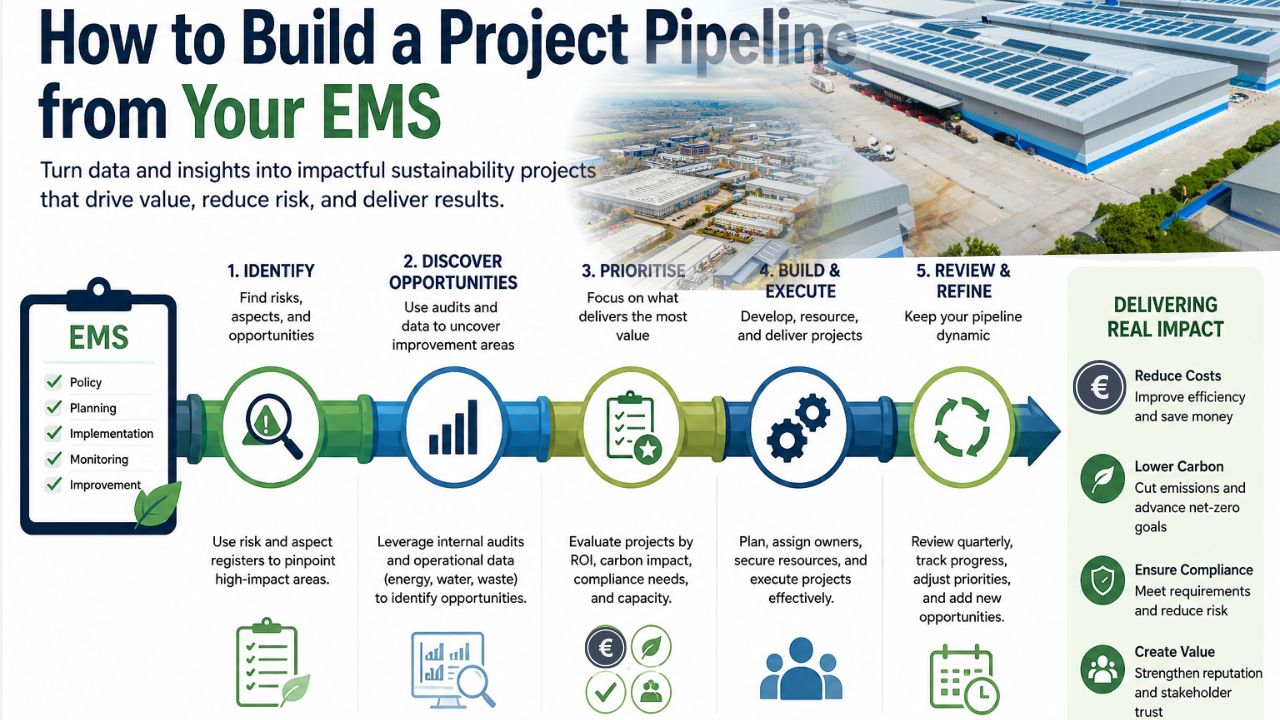
ISO 14001 emphasises the importance of understanding the environmental aspects of your operations and their potential impacts. Materiality plays a key role in identifying which aspects are most significant. By focusing on these priorities, you can develop targeted objectives and action plans that drive meaningful improvements.
ISO 14064: Greenhouse Gas Accounting
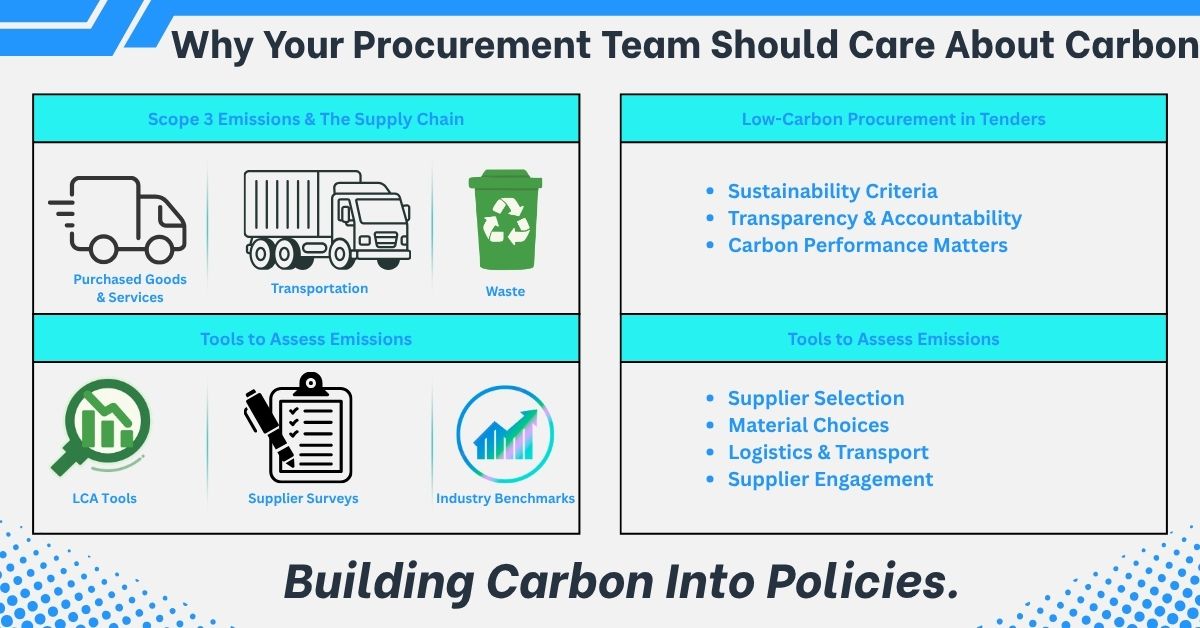
For organisations measuring and managing their carbon footprint, ISO 14064 provides a framework for GHG accounting and verification. Materiality is critical here, as it helps you determine which emissions sources (e.g., Scope 1, 2, or 3) are most relevant to your operations and stakeholders. This ensures that your reporting is both accurate and credible, avoiding unnecessary focus on minor or irrelevant sources.
ESG Reporting
Materiality is a foundational principle in ESG reporting, guiding companies to disclose information that is most relevant to investors, regulators, and other stakeholders. Frameworks like the Global Reporting Initiative (GRI) and the Sustainability Accounting Standards Board (SASB) emphasise the need for a materiality assessment to identify key ESG topics. This not only enhances transparency but also helps build trust and accountability.
Stakeholder-Driven vs. Impact-Driven Approaches
When conducting a materiality assessment, companies often choose between two approaches: stakeholder-driven or impact-driven. Each has its strengths, and the best approach may depend on your organisation’s goals and context.
Stakeholder-Driven Approach
This approach focuses on identifying the issues that matter most to your stakeholders, such as customers, investors, employees, and regulators. By engaging with these groups through surveys, interviews, or workshops, you can gain insights into their priorities and expectations. This method is particularly useful for building trust and ensuring your sustainability efforts align with external demands.
Impact-Driven Approach
An impact-driven approach, on the other hand, prioritises the issues where your organisation has the greatest environmental or social impact. This might include reducing emissions, conserving resources, or addressing supply chain risks. By focusing on your actual footprint, this approach ensures that your efforts contribute meaningfully to global sustainability goals.
Many organisations find value in combining these approaches, balancing stakeholder expectations with their own operational realities.
Prioritising What Really Matters in Your Footprint or System
Once you’ve identified the key issues through a materiality assessment, the next step is prioritisation. This involves evaluating the significance of each issue based on factors like:
- Magnitude of Impact: How significant is the issue’s environmental or social impact?
- Business Relevance: How does the issue affect your operations, reputation, or financial performance?
- Stakeholder Interest: How important is the issue to your stakeholders?
A common tool for this process is the materiality matrix, which plots issues based on their importance to stakeholders and their impact on the business. High-priority issues should be the focus of your sustainability
For example, a company in the energy sector might prioritise transitioning to renewable energy sources and reducing methane emissions, while a retailer might focus on sustainable sourcing and waste reduction.strategy.
Updating Your Materiality Assessment Over Time
Materiality is not a one-time exercise. As your business evolves and external conditions change, your material priorities may shift. Regularly updating your materiality assessment ensures that your sustainability efforts remain relevant and effective.
When to Update
Regulatory Changes: New laws or standards may introduce new priorities.
Market Trends: Shifts in consumer preferences or investor demands can influence material issues.
Operational Changes: Expanding into new markets or launching new products may create new impacts.
Emerging Risks: Issues like climate change, biodiversity loss, or supply chain disruptions may become more pressing over time.
How to Update
- Re-engage with stakeholders to understand their evolving priorities.
- Reassess your environmental and social impacts using updated data.
- Adjust your materiality matrix to reflect new insights and conditions.
By keeping your materiality assessment up to date, you can ensure that your sustainability strategy remains aligned with both internal goals and external expectations.
Conclusion
Materiality is a powerful tool for making your sustainability efforts more focused, effective, and credible. By identifying and prioritising what matters most (whether through ISO standards, ESG reporting, or your own operational goals) you can drive meaningful change while meeting stakeholder expectations.
Remember, materiality is not static. Regularly revisiting and updating your assessment ensures that your strategy stays relevant in a rapidly changing world. Ultimately, focusing on what truly matters allows you to maximise your impact while building trust and resilience.