Why Measurement Always Comes Before Improvement
Imagine trying to lose weight without stepping on a scale or tracking what you eat. You might make some changes, but without data, you’d have no way of knowing if they’re working. The same principle applies to energy management. Measurement provides the baseline you need to understand your current performance, identify inefficiencies, and set realistic goals.
For businesses, energy monitoring goes beyond just tracking usage. It’s about uncovering patterns, pinpointing waste, and finding opportunities to optimise. Without this data, you’re essentially flying blind, making decisions based on guesswork rather than facts.
The Difference Between Raw Data and Useful Insights
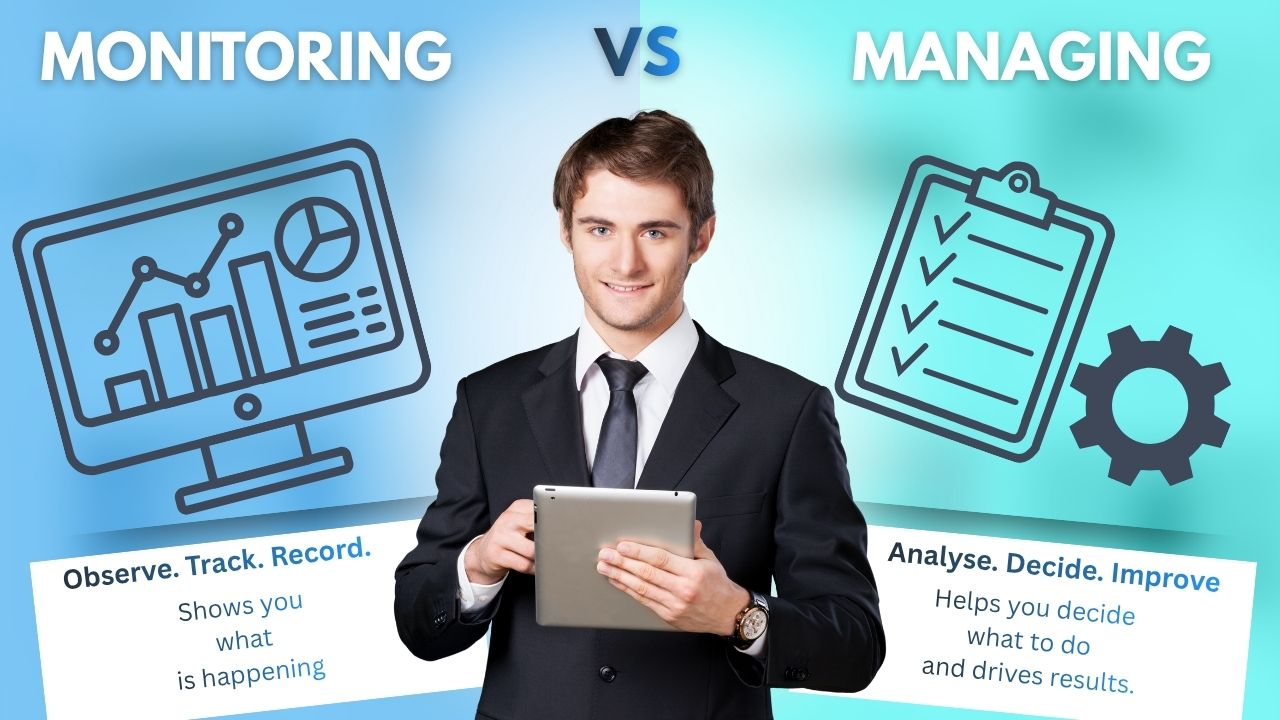
Collecting data is one thing; making sense of it is another. Raw data alone won’t help you make smarter decisions. What you need are actionable insights—information that tells you what’s happening, why it’s happening, and what you can do about it.
This is where tools like energy dashboards come in. They take complex data streams and turn them into clear, visual insights. For example, instead of just seeing how much energy your facility used last month, a good dashboard might show you which equipment is driving the most consumption, when peak usage occurs, and how your performance compares to industry benchmarks. These insights empower you to take targeted action, rather than wasting time and resources on trial and error.
Common Mistakes Companies Make Without Monitoring
Without proper monitoring, companies often fall into the same traps. Here are a few common mistakes:
- Overlooking hidden inefficiencies: Many energy drains are subtle—an air compressor running longer than needed, a piece of equipment operating inefficiently, or lights left on in unused areas. Without monitoring, these issues can go unnoticed for years.
- Relying on outdated assumptions: Energy costs and usage patterns change over time. What worked five years ago might not be effective today. Without up-to-date data, companies risk basing decisions on outdated information.
- Missing opportunities for savings: Without visibility into energy usage, it’s easy to miss low-hanging fruit—simple changes that could lead to significant savings.
- Failing to meet sustainability goals: Many companies set ambitious carbon reduction targets but struggle to achieve them because they lack the data needed to track progress and adjust
- their strategies.
How Energy Dashboards and Automated Controls Change the Game
Energy dashboards and automated controls are game-changers for businesses looking to improve efficiency and sustainability. Here’s why:
- Real-time insights: Dashboards provide real-time data, so you can see exactly what’s happening as it happens. This allows you to respond quickly to issues, like equipment running outside of normal parameters.
- Trend analysis: By tracking data over time, dashboards help you identify trends and predict future usage. This is invaluable for planning and budgeting.
- Automated controls: Automation takes monitoring to the next level. For example, smart systems can adjust lighting, HVAC, or machinery settings based on real-time conditions, reducing waste without requiring manual intervention.
- Customisable alerts: Many systems allow you to set thresholds and receive alerts when something’s off. This proactive approach helps you address problems before they escalate.
Together, these tools provide the visibility and control needed to optimise energy use, cut costs, and reduce emissions.
Tips to Get Started with Monitoring in Industrial Settings
If you’re new to energy monitoring, getting started can feel overwhelming. Here are some practical tips to help you take the first steps:
- Start small: You don’t need to monitor everything at once. Focus on your biggest energy users first—these are often HVAC systems, production equipment, or lighting.
- Choose the right tools: Invest in a monitoring system that’s not only user-friendly and scalable, but also delivers real-time insights tailored to your setup. That’s exactly what our platform, Priority Metrix, is built for—smart, seamless integration with powerful data at your fingertips. Discover Priority Metrix and see how it can elevate your energy management.
- Set clear goals: What do you want to achieve? Whether it’s reducing energy costs by 10% or cutting carbon emissions by 20%, having clear goals will guide your monitoring efforts.
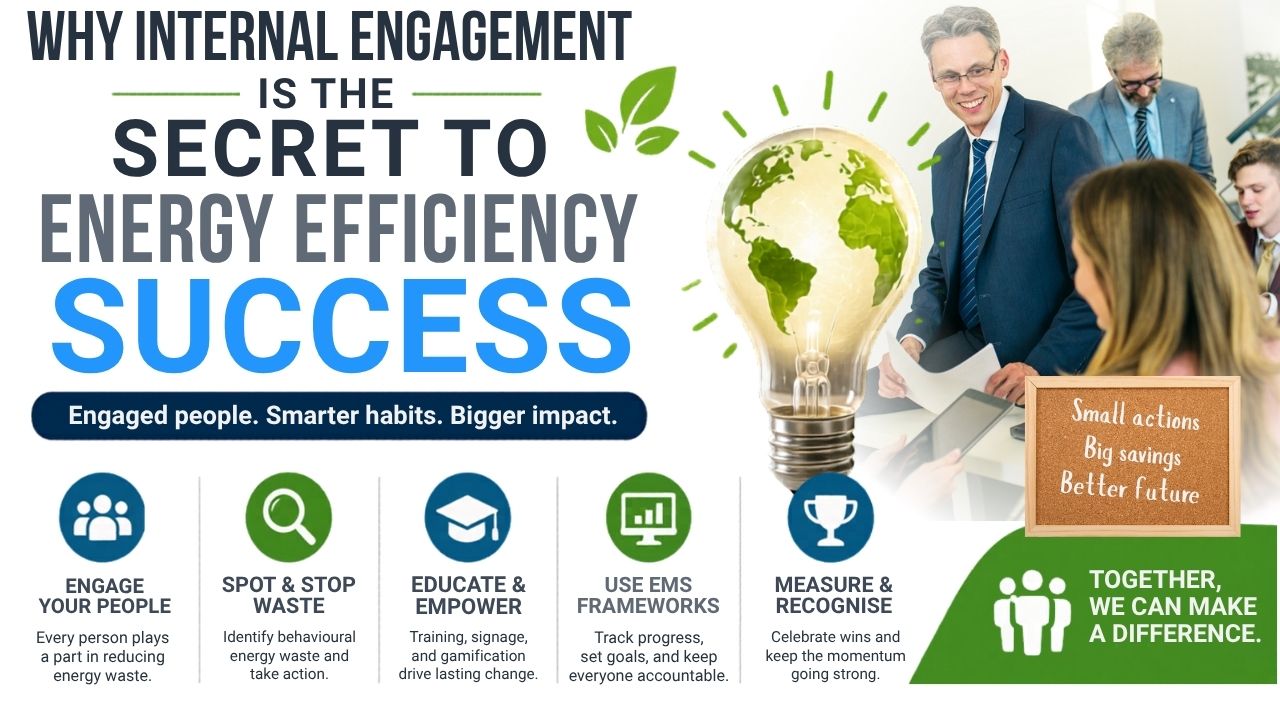
- Engage your team: Energy monitoring isn’t just a job for the sustainability team. Involve operations, maintenance, and other key stakeholders to ensure everyone is aligned and invested in the process.
- Work with experts: Not sure where to start? Partnering with an experienced energy consultant or technology provider can make all the difference. At TZC, we don’t just provide tools—we help you build a smart, effective monitoring strategy with Priority Metrix at the core.
Let’s talk—reach out today and see how we can help you take control of your energy data.
Conclusion
Energy monitoring is the foundation of every successful sustainability journey. It’s the first step toward understanding your energy use, identifying inefficiencies, and taking meaningful action to cut costs and carbon. By investing in the right tools and strategies, you can turn raw data into powerful insights—and set your business on the path to a smarter, more sustainable future.
Recommended Keywords:
- Energy monitoring
- Sustainability journey
- Energy dashboards
- Automated controls
- Industrial energy management
- Carbon reduction
- Energy efficiency
- Decarbonisation targets