When it comes to energy efficiency, most organisations focus on technology. These include smart meters, automated systems, and energy-efficient equipment. While these tools are essential, they’re only part of the equation. The real key to success lies in engaging your people. Your team’s behaviours, habits, and commitment to sustainability can make or break your energy efficiency goals. Let’s explore how internal engagement can unlock your organisation’s full potential.
Behavioural Energy Waste: What It Is and How to Spot It
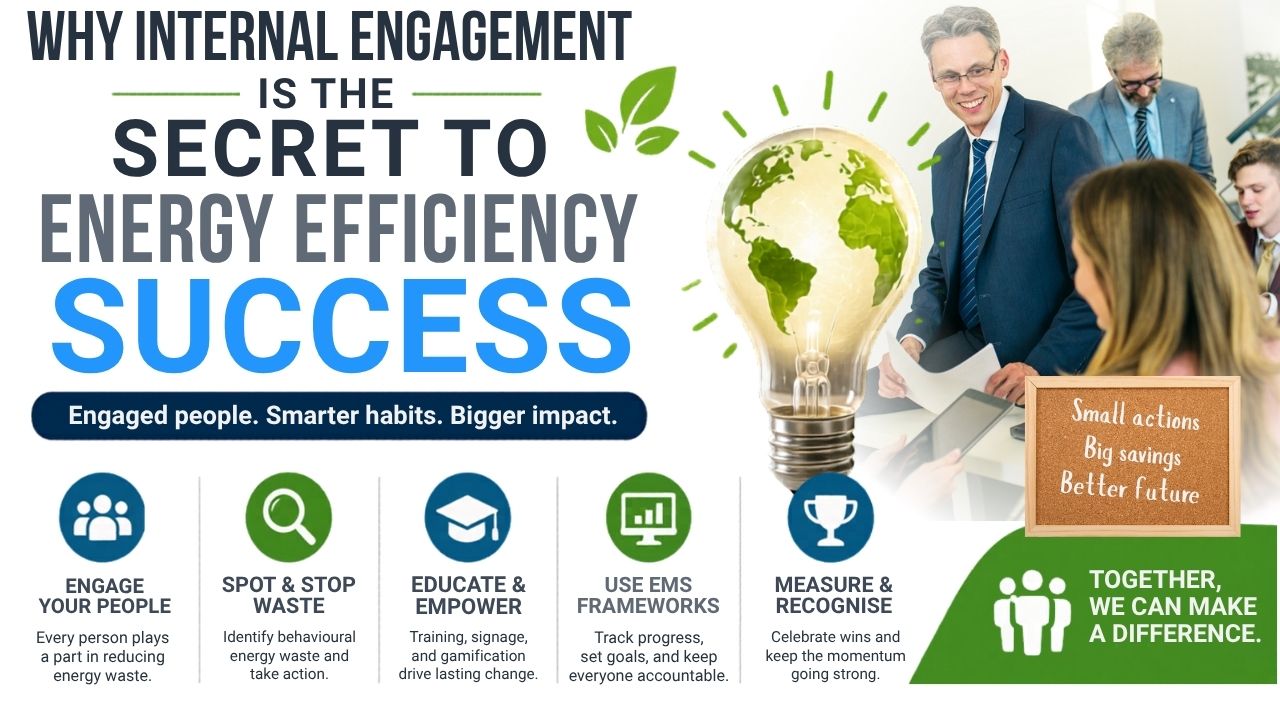
Behavioural energy waste happens when energy is used unnecessarily due to human habits or lack of awareness. Think of lights left on in empty rooms, computers running overnight, or heating and cooling systems operating in unoccupied spaces. These small actions, repeated daily, add up to significant energy waste.
Spotting behavioural energy waste starts with observation. Walk through your facility at different times of the day. Are lights or equipment running when they don’t need to be? Are there areas where energy-saving practices are inconsistent? Surveys and feedback from employees can also reveal patterns of waste that might not be immediately visible.
Addressing these behaviours requires more than just pointing them out. It takes a culture shift, one where every team member understands their role in energy efficiency and feels empowered to make a difference.
Getting Buy-In from Operations, Admin, and Leadership
Engaging your team starts with buy-in at all levels. Operations staff are often on the front lines of energy use, so their involvement is critical. Administrative teams can support through communication and logistics, while leadership sets the tone for the entire organisation.
To get buy-in, start by connecting energy efficiency to your team’s shared goals. For operations, this might mean showing how energy savings can free up resources for other priorities. For leadership, frame energy efficiency as a way to enhance the organisation’s reputation and bottom line. For admin teams, highlight how their coordination efforts can amplify impact.
Transparency is key. Share data on energy usage and potential savings. Celebrate small wins to show progress. When everyone sees the tangible benefits of their efforts, they’re more likely to stay engaged.
Training, Signage, and Gamification Ideas
Education is a cornerstone of internal engagement. Start with training sessions that explain the “why” behind energy efficiency. Help employees understand how their actions impact energy use and how small changes can lead to big results. Tailor the training to different roles so it feels relevant and actionable.
Signage is another powerful tool. Simple reminders like “Turn off the lights when you leave” or “Unplug chargers when not in use” can reinforce good habits. Use visuals and positive language to make the message stick.
Gamification takes engagement to the next level. Create friendly competitions between departments to see who can reduce energy use the most. Offer rewards for meeting energy-saving milestones, like extra break time or team lunches. Gamification not only motivates employees but also fosters a sense of teamwork and shared purpose.
How EMS Frameworks Support Internal Engagement
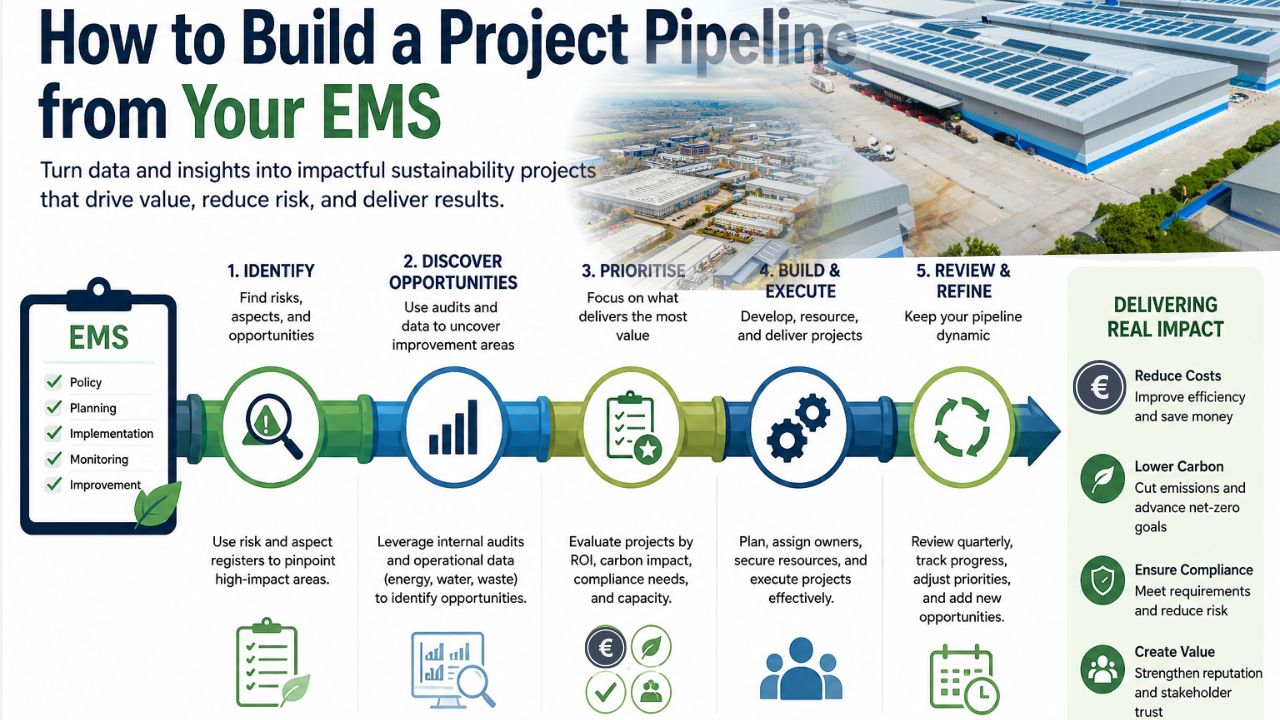
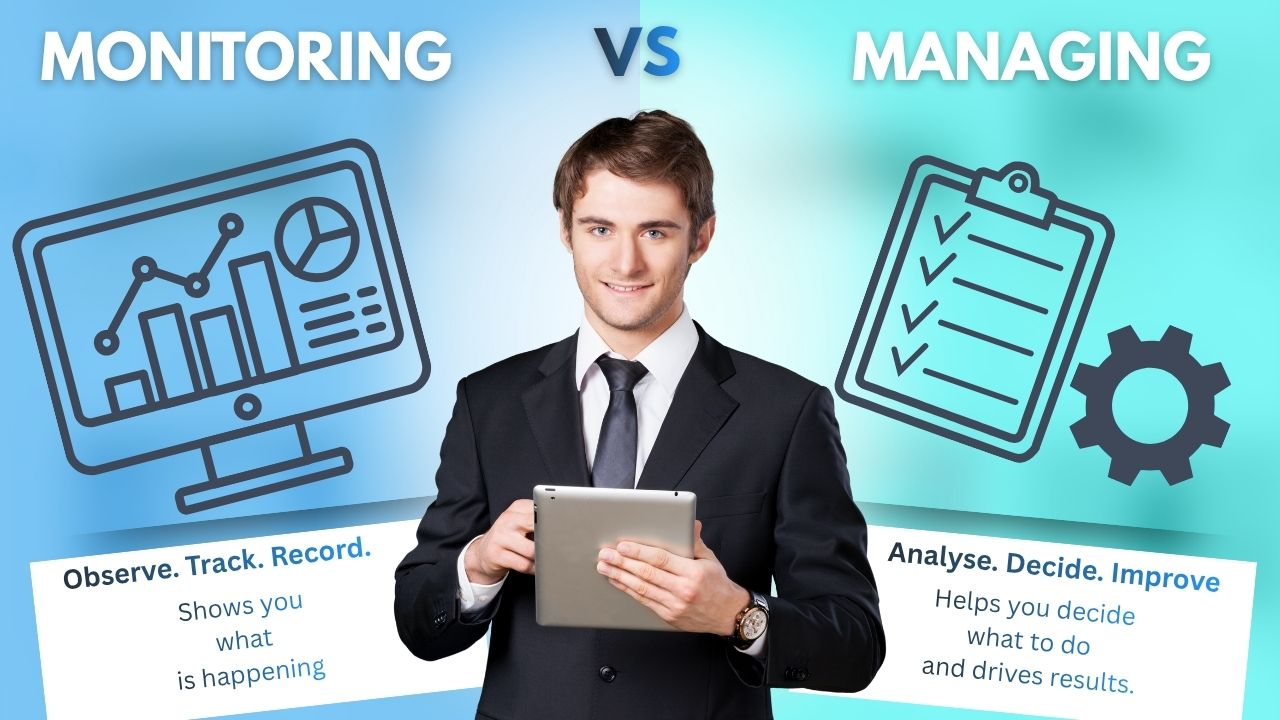
Energy Management Systems (EMS) provide a structured approach to energy efficiency. They help organisations track energy use, set goals, and measure progress. But EMS frameworks aren’t just about technology, they’re also a tool for driving internal engagement.
With an EMS in place, you can share real-time energy data with your team. Seeing the immediate impact of their actions can be incredibly motivating. Use the system to set department-specific goals and track progress. Regular updates and dashboards can keep energy efficiency top of mind.
EMS frameworks also support accountability. When everyone knows their role and how it ties into the bigger picture, it’s easier to maintain momentum. Combine this with regular feedback loops to ensure continuous improvement.
Measuring and Recognising Impact
To sustain engagement, it’s essential to measure and recognise the impact of your team’s efforts. Start by tracking key metrics like energy consumption, cost savings, and carbon reductions. Share these results regularly through internal newsletters, meetings, or dashboards.
Recognition is equally important. Celebrate milestones, whether it’s a 10% reduction in energy use or a successful month-long campaign. Highlight individual and team contributions to show appreciation. This could be as simple as a shoutout in a meeting or as formal as an award ceremony.
Consider tying energy efficiency to broader organisational goals, like sustainability certifications or community impact. When employees see how their efforts contribute to something bigger, it reinforces their sense of purpose.
Conclusion
Technology can only take you so far in achieving energy efficiency. The real power lies in your people. By addressing behavioural energy waste, securing buy-in, and leveraging tools like training and EMS frameworks, you can create a culture of sustainability. Recognising and celebrating your team’s contributions ensures that energy efficiency becomes a shared priority, not just a task on a to-do list.
When your team is engaged, energy efficiency stops being a challenge and starts being an opportunity. Together, you can drive meaningful change that benefits your organisation, your community, and the planet.