Energy costs are a significant concern for businesses today, especially those in energy-intensive industries. Yet, many organisations still rely on guesswork when it comes to managing energy use. ISO 50001 changes that. This international standard provides a framework for building a structured, effective Energy Management System (EnMS) that drives consistent savings and improvements. But what does it actually take to implement ISO 50001?
What ISO 50001 Is – And What It Is Not
ISO 50001 is a globally recognised standard for energy management. It provides businesses with a systematic approach to improving energy performance, reducing costs, and cutting greenhouse gas emissions. It is best described as a roadmap for turning energy management into a strategic, measurable process.
ISO 50001 is not a one-size-fits-all solution or a quick fix. It’s not just about installing energy efficient equipment or meeting compliance requirements. Instead, it’s about embedding energy management into your organisation’s DNA, by integrating it into everyday operations, decision-making processes, and long-term planning.
Key Components of ISO 50001
To build an effective EnMS with ISO 50001, four key components must be addressed: energy policy, energy performance indicators (EnPIs), energy audits, and action plans.
Energy Performance Indicators (EnPIs)
EnPIs are the metrics used to measure and track energy performance. These could include energy consumption per unit of production, energy cost per square foot, or other relevant benchmarks. Defining the right EnPIs is critical as they provide the data you need to identify inefficiencies, set realistic goals, and monitor progress.
Energy Policy
Your energy policy is the foundation of your EnMS. It’s a formal statement of your organisation’s commitment to energy efficiency and continuous improvement. This policy should outline your energy goals, align with your business objectives, and be communicated across all levels of the organisation.
3. Energy Audits
Energy audits are a structured assessment of your organisation’s energy use. They identify where energy is being wasted and where improvements can be made. They also provide an opportunity to identify which improvements will have the greatest impact on increasing the sustainability of the business.
4. Action Plans
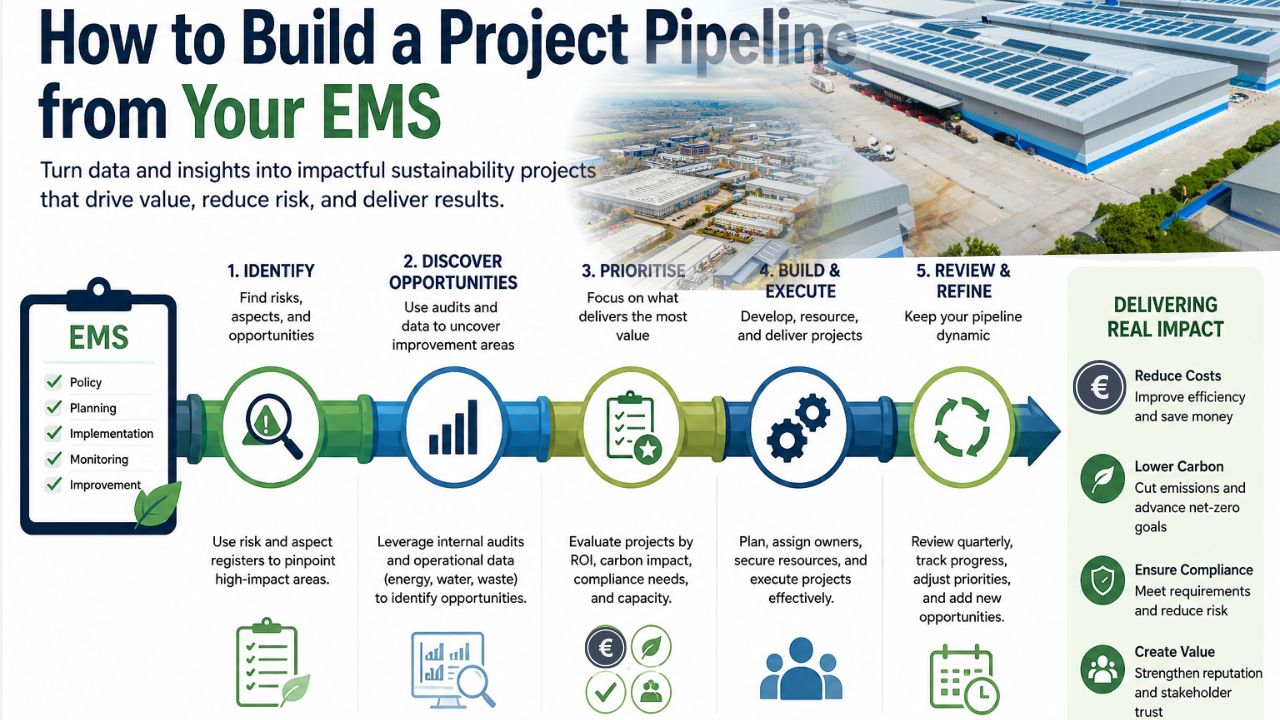
Action plans translate your energy policy and audit findings into concrete steps. These plans would include specific projects, timelines, and responsibilities. For example, replacing outdated equipment, optimizing HVAC systems, or training staff on energy-saving practices. Regularly reviewing and updating these plans ensures they remain effective and aligned with your goals.
How Certification Helps—Beyond Just Compliance
Achieving ISO 50001 certification is about more than just ticking a compliance box. It signals to stakeholders, customers, investors, regulators, and employees that your organisation recognises the importance of sustainability and operational excellence.
Certification can also unlock tangible business benefits. For one, it often leads to significant energy cost savings. Studies show that companies implementing ISO 50001 can achieve energy savings of up to 20% within the first few years. Additionally, certification can improve your organisation’s reputation, making it easier to win contracts, attract talent, and secure funding.
Beyond these benefits, ISO 50001 fosters a culture of continuous improvement. It encourages your team to regularly assess and refine energy practices, ensuring your organisation stays ahead of the curve in a rapidly changing energy landscape.
Common Implementation Mistakes
While the benefits of ISO 50001 are clear, implementation can be challenging. Here are some common pitfalls to avoid:
- Lack of Leadership Commitment
Without strong support from top management, your EnMS is unlikely to succeed. Leaders need to champion the initiative, allocate resources, and set the tone for the rest of the organisation. - Overcomplicating the Process
ISO 50001 is designed to be flexible, but some organisations make the mistake of overcomplicating their EnMS. It is essential to focus on what’s practical and relevant to your business, rather than trying to tick every box. - Neglecting Employee Engagement
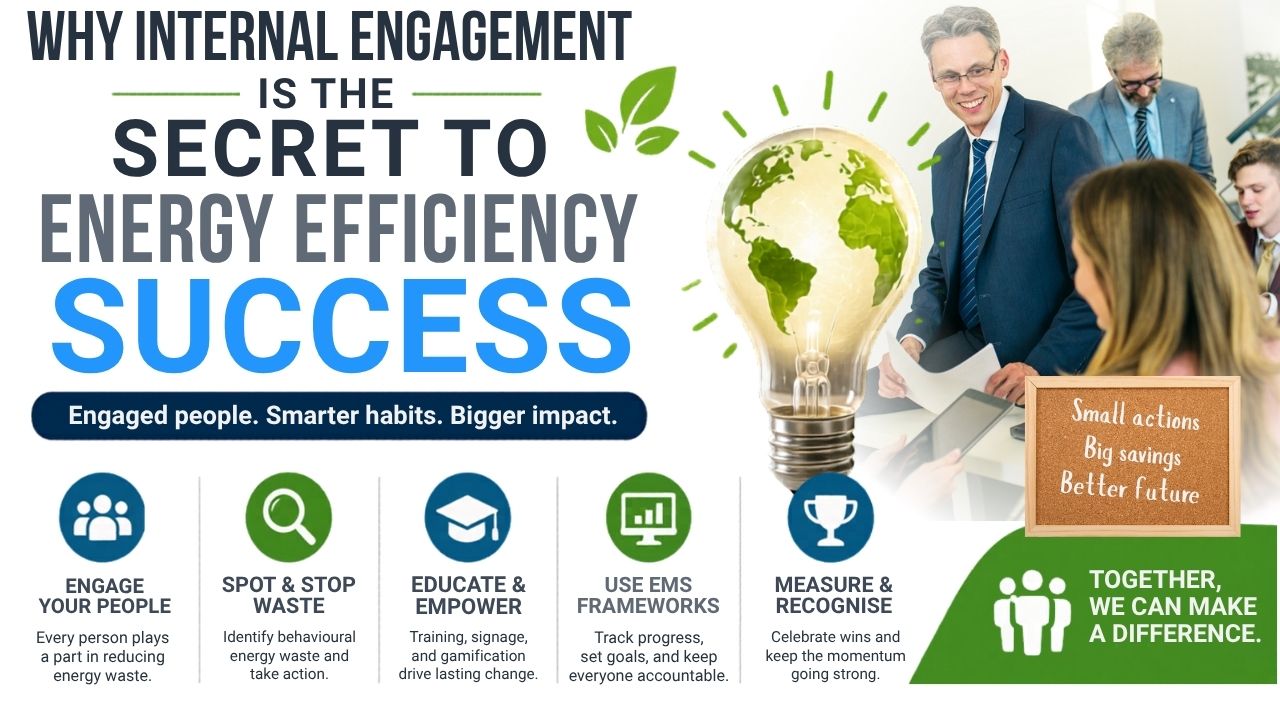
Energy management isn’t just the responsibility of the facilities team, it is a company-wide effort. Failing to involve employees can lead to missed opportunities for improvement and resistance to change. - Ignoring Data
An EnMS is only as good as the data it’s built on. Skipping energy audits or failing to track EnPIs can undermine your efforts and make it difficult to measure success. This can also mean treating the process as a one-and-done activity, and not the model for continuous improvement it is designed to be.
Getting Buy-In from Management and Staff
One of the biggest challenges in implementing ISO 50001 is getting both management and staff to embrace the potential changes necessary for it to effectively succeed. Here are some effective reasons for both parties to consider implementing the EnMS.
For Management
Focus on the bottom line. Highlight the potential for cost savings, improved efficiency, and enhanced reputation. Use data from energy audits or case studies from similar organisations to demonstrate the return on investment of ISO 50001.
For Staff
Emphasise the role employees play in achieving energy goals. Provide training to help them understand the EnMS and how their actions impact energy performance. Recognise and reward contributions to energy-saving initiatives to build engagement and morale.
ISO 50001 – A Roadmap For Continuous Improvement
ISO 50001 is more than just a standard, it is a blueprint for transforming how your organisation manages energy. By focusing on data, strategy, and continuous improvement, it turns energy management from guesswork into a measurable, repeatable process. The result is consistent savings, reduced emissions, and a stronger, more resilient business.
If your organisation is ready to take energy management to the next level, ISO 50001 is the roadmap you’ve been looking for. It’s not always an easy journey, but the rewards—both financial and environmental—are well worth the effort.
At TZC, we align our audit process with ISO 50001, ensuring it’s not a one-time exercise but part of a continuous improvement journey. Our insights feed directly into your Energy Management System (EnMS), helping you make smarter, data-driven decisions.
Talk to our team →https://tzc.ie/
Recommended Keywords:
ISO 50001
Energy management system
Energy policy
Energy performance indicators (EnPIs)
Energy audits
Energy cost savings
Continuous improvement
Energy efficiency standards
ISO certification benefits