In today’s competitive business landscape, managing energy consumption isn’t just about reducing costs, it’s about staying ahead. Yet, many organisations still rely on spreadsheets and basic meters to track their energy use. While these tools may seem sufficient, they often fall short in providing the real-time insights and actionable data needed to drive efficiency and savings.
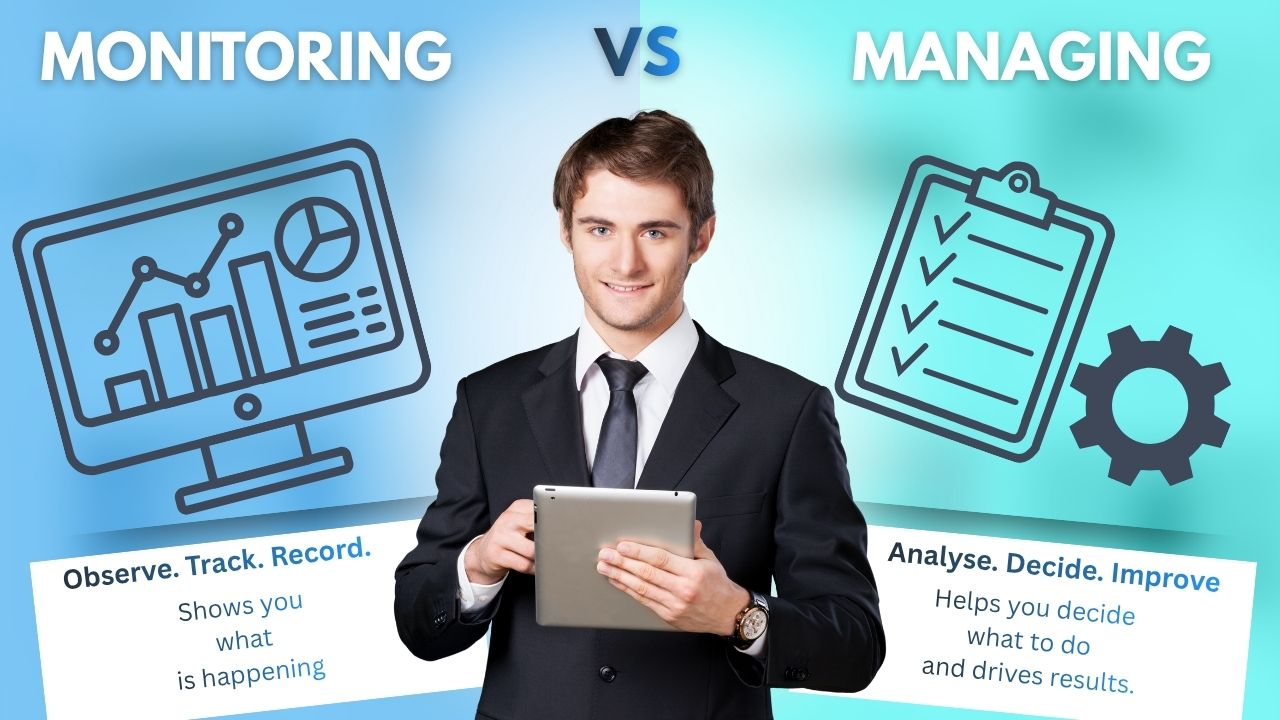
Energy monitoring software offers a smarter, tech-forward solution. By centralising data, automating processes, and providing real-time alerts, these platforms empower businesses to take control of their energy use and make informed decisions. Let’s explore why traditional methods are no longer enough, the benefits of energy monitoring software, and how to choose the right platform for your needs. 👉 Learn more about tailored energy monitoring solutions here.
Why Spreadsheets and Meters Aren’t Enough
1. Limited Visibility
Spreadsheets and manual meters provide static, historical data. This lack of real-time insights makes it difficult to identify inefficiencies or respond to issues quickly. For example, a sudden spike in energy usage might go unnoticed until the next billing cycle, leading to unnecessary costs
2. Time-Consuming Processes
Manually collecting and inputting data is not only tedious but also prone to errors. Operations managers often spend hours consolidating data from various sources, leaving less time for strategic decision-making.
3. Scalability Challenges
As businesses grow, so does the complexity of their energy systems. Spreadsheets and basic meters simply can’t keep up with the demands of multi-site operations or complex energy infrastructures.
Benefits of Centralised Dashboards and Real-Time Alerts
Energy monitoring software addresses these challenges by offering centralised dashboards and real-time alerts. Here’s how these features make a difference:
Centralised Dashboards
- Comprehensive View: A single platform consolidates data from all sites, providing a clear overview of energy consumption across the organisation.
- Customisable Metrics: Tailor dashboards to display the KPIs that matter most to your business, such as energy intensity or cost per unit produced.
- Data-Driven Insights: Advanced analytics help identify patterns and trends, enabling proactive energy management.
Real-Time Alerts
- Immediate Action: Alerts notify you of anomalies, such as equipment malfunctions or unexpected energy spikes, allowing for quick intervention.
- Cost Avoidance: By addressing issues as they arise, businesses can prevent costly downtime or energy waste.
- Improved Accountability: Alerts can be assigned to specific team members, ensuring timely resolution and clear responsibility.
Features That Save Time and Money
Energy monitoring software is designed to streamline processes and deliver measurable savings. Key features include:
1. Automation
Automated data collection eliminates the need for manual input, reducing errors and freeing up valuable time. Automation can also extend to reporting, with pre-scheduled reports sent directly to stakeholders.
2. Baselining
Baselining allows businesses to compare current energy usage against historical data or industry benchmarks. This helps identify inefficiencies and set realistic energy-saving goals.
3. Integration with IoT Devices
Many platforms integrate seamlessly with IoT-enabled devices, such as smart meters and sensors. This connectivity provides granular data, offering deeper insights into energy use at the equipment level.
Case Examples: Real-World Impact
Example 1: Manufacturing Facility
A mid-sized manufacturing plant implemented energy monitoring software to track energy usage across its production lines. Real-time alerts identified a malfunctioning HVAC system that was consuming excessive energy. By addressing the issue promptly, the facility saved €15,000 annually on energy costs.
Example 2: Retail Chain
A retail chain with multiple locations used centralised dashboards to monitor energy use across all stores. By identifying high-performing and underperforming sites, the company optimised its energy strategy, reducing overall consumption by 12%.
Questions to Ask Before Selecting a Platform
Choosing the right energy monitoring software is critical to maximising its benefits. Here are some key questions to consider:
Evaluate not just the upfront cost but also ongoing expenses, such as maintenance and training.
What are our specific energy management goals?
Are you focused on cost savings, sustainability, or operational efficiency?
Does the platform support real-time data and alerts?
Ensure the software provides real-time insights to enable quick decision-making.
Is the software scalable?
Consider whether the platform can grow with your business and accommodate multiple sites or complex systems.
What level of integration does it offer?
Look for platforms that integrate with existing systems and IoT devices for seamless data collection.
What is the total cost of ownership?
Evaluate not just the upfront cost but also ongoing expenses, such as maintenance and training.
The Bottom Line
Energy monitoring software isn’t just for large corporations—it’s a practical, cost-effective tool for businesses of all sizes. By moving beyond spreadsheets and meters, organisations can gain real-time visibility, streamline operations, and unlock significant savings. The investment pays for itself by making energy savings visible and actionable, helping businesses meet both financial and sustainability goals.
For operations managers and financial controllers, the case for energy monitoring software is clear: it’s a smart, forward-thinking solution that delivers measurable results.
Recommended Keywords
- Energy monitoring software
- Real-time energy insights
- Centralised dashboards
- Energy efficiency tools
- Predictive analytics for energy
- IoT energy management
- Baselining energy usage
- Energy cost reduction
- Sustainable energy solutions
- Business energy management
- what could be best for infographic for this blog