As environmental, social, and governance (ESG) expectations rise, greenhouse gas (GHG) reporting has become a critical part of corporate sustainability strategies. However, many companies still treat GHG reporting as a one-off task or something to check off annually or when responding to a tender. This approach may meet minimum compliance requirements, but it falls short of delivering the strategic value that continuous GHG tracking can offer.
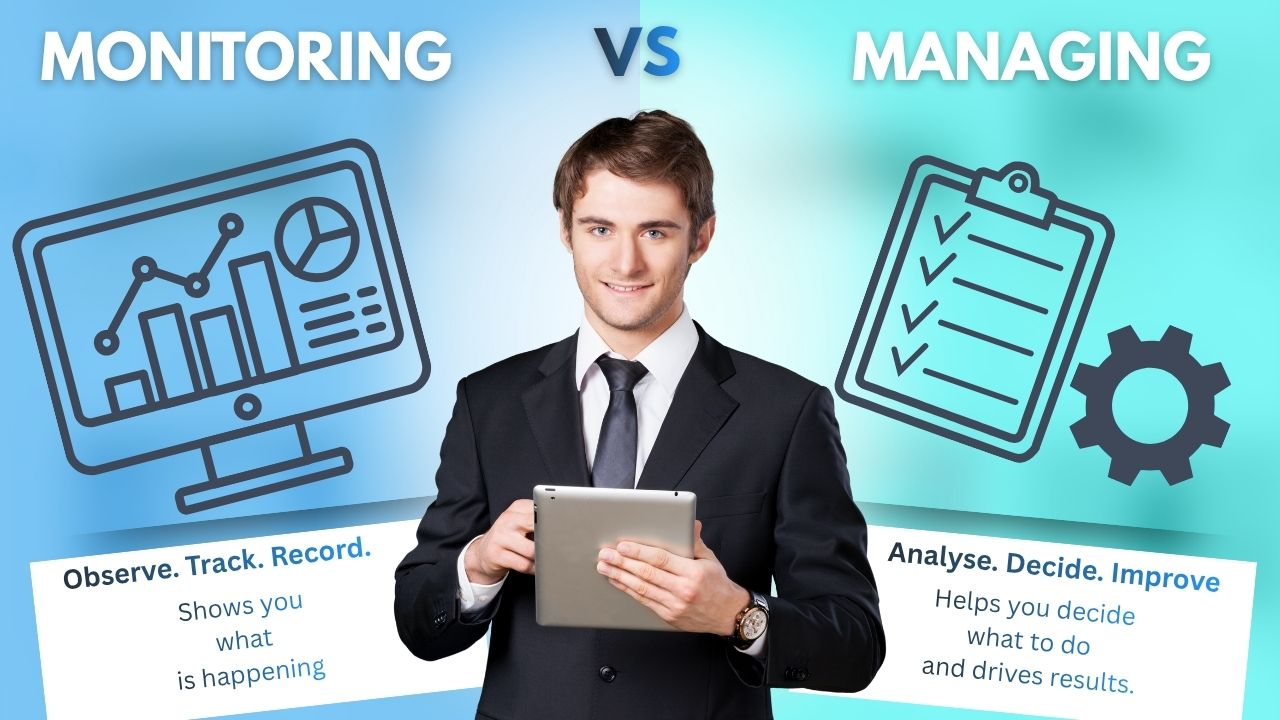
To stay competitive and resilient in today’s evolving regulatory and market landscape, businesses must shift their mindset. Carbon emissions should be treated like financial costs: monitored, reported, and managed regularly, not once a year. In this blog, we’ll explore the risks of infrequent reporting, the benefits of continuous tracking, and how integrating carbon data with financial planning and procurement can drive long-term value.
Risks of Only Reporting Once a Year
Relying on annual or one-off GHG reporting creates several challenges that can hinder a company’s ability to adapt to changing ESG demands:
1. Missed Opportunities for Improvement
Annual reporting provides a snapshot of emissions but fails to capture trends or identify opportunities for timely intervention. Without frequent data, businesses may overlook inefficiencies or fail to act on emerging risks.
2. Regulatory and Market Risks
As governments and industries tighten climate-related regulations, companies that report infrequently risk falling behind. Infrequent tracking can also lead to non-compliance or reputational damage if stakeholders perceive a lack of transparency.
3. Inaccurate Decision-Making
One-off reports often rely on outdated or incomplete data, which can lead to poor decision-making. For instance, procurement teams may unknowingly lock in contracts with high-carbon suppliers, or financial planners may underestimate the cost of carbon-intensive operations.
4. Limited Stakeholder Trust
Investors, customers, and employees increasingly expect companies to demonstrate ongoing commitment to sustainability. Sporadic reporting can erode trust, as it suggests a reactive rather than proactive approach to managing emissions.
Benefits of Continuous GHG Tracking
Shifting to regular GHG tracking offers significant advantages for businesses looking to stay ahead in a carbon-conscious world.
1. Proactive Risk Management
Continuous tracking allows companies to identify and address emission hotspots before they become major issues. For example, if energy consumption spikes in a particular facility, real-time data can prompt immediate action to investigate and resolve the issue.
2. Enhanced Decision-Making
Frequent reporting provides up-to-date insights that empower better decisions across the organisation. Procurement teams can evaluate suppliers based on their carbon footprint, while financial planners can factor carbon costs into budgets and forecasts.
3. Improved Regulatory Compliance
Regular tracking ensures that companies are always prepared to meet evolving reporting requirements. It also reduces the risk of last-minute data collection errors, which can compromise compliance and credibility.
4. Stronger Stakeholder Relationships
Transparent, ongoing reporting builds trust with stakeholders by demonstrating accountability and progress. It also positions the company as a leader in sustainability, enhancing its reputation and competitive edge.
5. Cost Savings
Frequent tracking can uncover inefficiencies that lead to cost savings. For example, identifying energy-intensive processes or equipment can prompt upgrades that reduce both emissions and utility bills.
Integrating Carbon Reporting with Financial Planning and Procurement
To maximise the value of GHG reporting, businesses should integrate carbon data into their financial planning and procurement processes. This approach ensures that emissions are considered alongside other key metrics, driving more sustainable and cost-effective decisions.
1. Carbon as a Financial Metric
Treating carbon emissions like a financial cost allows companies to manage them with the same rigor as budgets or profit margins. For example, assigning a shadow price to carbon can help quantify the financial impact of emissions and guide investment decisions. This approach also aligns with emerging carbon pricing mechanisms, such as cap-and-trade systems or carbon taxes.
2. Sustainable Procurement
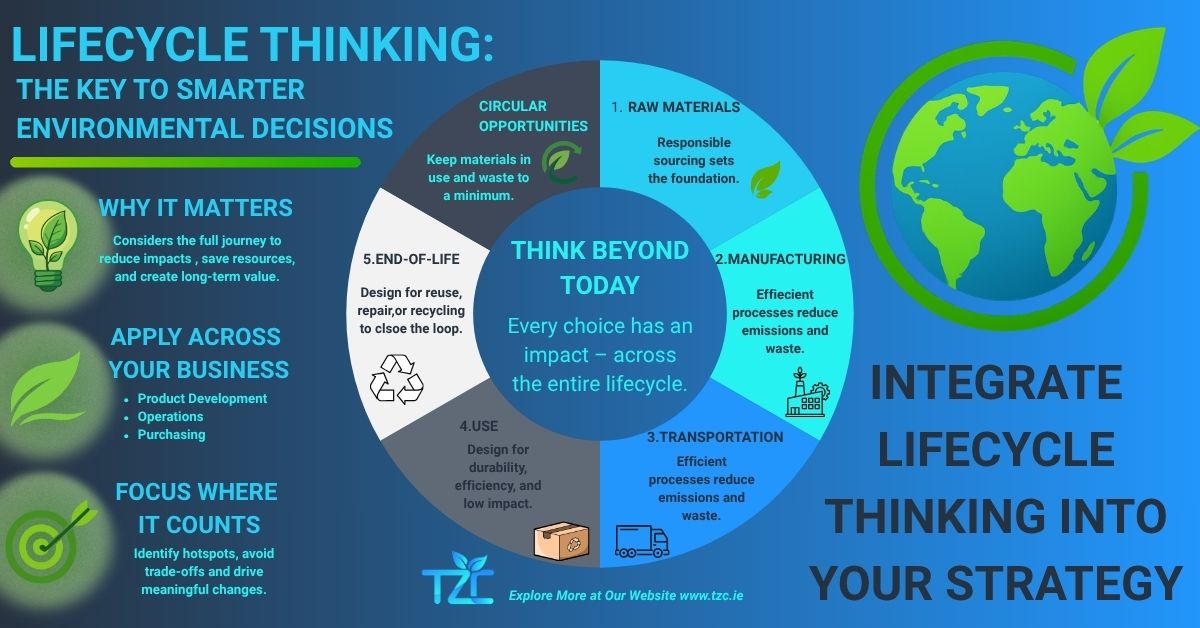
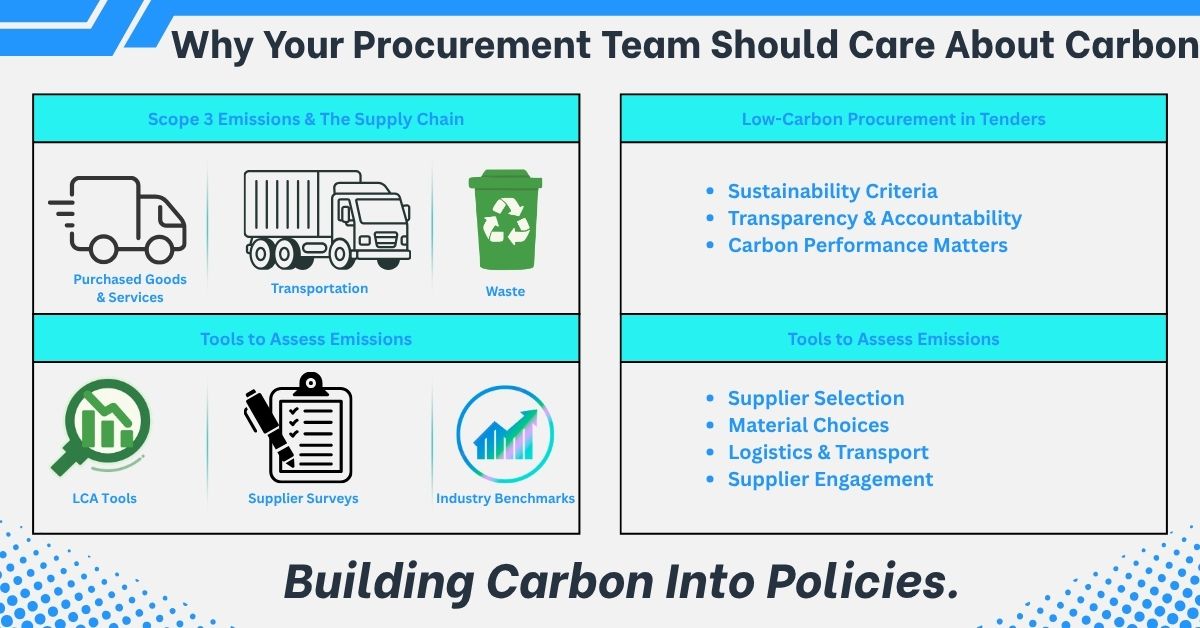
Procurement teams play a critical role in managing Scope 3 emissions, which often represent the largest share of a company’s carbon footprint. By incorporating carbon data into supplier evaluations, businesses can prioritise low-carbon vendors and incentivise sustainability across the value chain.
Digital Tools to Support Real-Time or Quarterly Updates
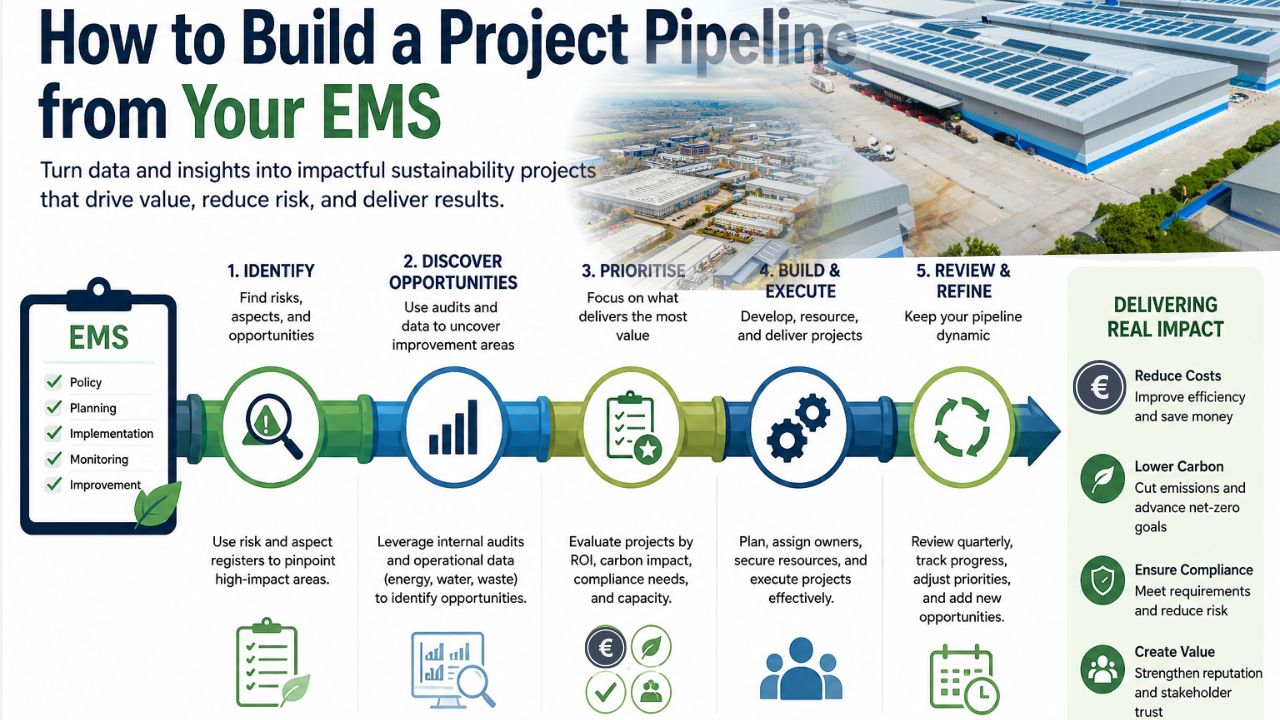
The shift to continuous GHG tracking requires robust digital tools that can streamline data collection, analysis, and reporting. Here are some key features to look for in a carbon management platform:
1. Automated Data Collection
Manual data entry is time-consuming and prone to errors. Look for tools that integrate with existing systems, such as energy meters, procurement platforms, or ERP software, to automate data collection.
2. Real-Time Dashboards
Real-time dashboards provide instant visibility into emissions, enabling teams to monitor progress and identify trends. These tools also make it easier to share insights with stakeholders, fostering collaboration and accountability.
3. Scenario Modelling
Advanced platforms offer scenario modelling capabilities, allowing businesses to simulate the impact of different strategies or external factors on their carbon footprint.
4. Compliance Support
Choose tools that align with global reporting standards, such as the Greenhouse Gas Protocol or CDP, to ensure compliance with regulatory and voluntary frameworks.
5. Integration with Financial Systems
Seamless integration with financial planning and procurement systems ensures that carbon data is factored into key business decisions. This integration also simplifies the process of assigning costs to emissions, supporting more accurate budgeting and forecasting.
Long-Term Value of Repeatable, Verified Data
The ultimate goal of continuous GHG tracking is to create a reliable, repeatable system for managing emissions. Verified data not only supports compliance but also unlocks long-term value for the business.
1. Building Institutional Knowledge
A consistent reporting process helps build institutional knowledge, making it easier to train new employees, scale sustainability initiatives, and adapt to changing requirements.
2. Attracting Investment
Investors are increasingly prioritising ESG performance in their decision-making. Verified, repeatable data demonstrates a company’s commitment to sustainability, making it more attractive to capital markets.
3. Driving Innovation
Frequent tracking fosters a culture of innovation by encouraging teams to identify and implement new ways to reduce emissions. Over time, this can lead to breakthroughs in energy efficiency, renewable energy adoption, or supply chain optimisation.
4. Strengthening Competitive Advantage
Companies that treat GHG reporting as a strategic priority are better positioned to meet stakeholder expectations, comply with regulations, and seize opportunities in a low-carbon economy. This proactive approach can set them apart from competitors that lag behind.
The Bottom Line
GHG reporting should not be treated as a one-off exercise. By adopting a continuous tracking approach, businesses can unlock significant benefits, from improved decision-making and regulatory compliance to cost savings and stakeholder trust. Integrating carbon data into financial planning and procurement processes further amplifies these advantages, ensuring that emissions are managed as rigorously as other key business metrics.
As ESG requirements continue to evolve, companies that embrace repeatable, verified reporting will be better equipped to navigate the challenges and opportunities of a carbon-conscious world. Treat carbon like cost: monitor it, report it, and manage it regularly, not just once a year.
Recommended Keywords
- GHG reporting
- Carbon tracking
- ESG compliance
- Continuous emissions monitoring
- Carbon data integration
- Sustainable procurement
- Carbon as a financial metric
- Real-time emissions tracking
- Verified carbon data
- Corporate sustainability strategies