For organisations aiming to reduce energy costs and environmental impact, ISO 50001 is more than just a certification, it is a strategic tool. Beyond improving energy performance, this energy management system (EMS) can help unlock grants, loans, and incentives to fund your sustainability goals. By leveraging ISO 50001, financial officers and energy leads can present structured, data-driven plans that resonate with funding bodies.
In this blog, we’ll explore why ISO 50001 is highly valued by grant providers, outline common funding schemes, and share actionable tips to align your energy management system with funding opportunities.
Why Grant Bodies Love ISO 50001
Grant providers and funding bodies prioritise projects that demonstrate accountability, measurable impact, and long-term sustainability. ISO 50001 checks all these boxes. Here’s why:
1. Structured Energy Plans
ISO 50001 requires organisations to develop a clear energy management plan, complete with objectives, targets, and timelines. This structured approach shows funders that your organisation has a roadmap for achieving energy efficiency and reducing emissions.
2. Data-Driven Insights
At the heart of ISO 50001 is the requirement to monitor, measure, and analyse energy performance. This data-driven approach provides funders with tangible evidence of your current energy use and the potential impact of proposed projects. Reliable data builds trust and strengthens your case for funding.
3. Audits and Continuous Improvement
ISO 50001 includes regular internal and external audits to ensure compliance and progress. This commitment to continuous improvement demonstrates to funders that your organisation is serious about achieving long-term energy goals—not just ticking a box for compliance.
By aligning your funding applications with the principles of ISO 50001, you can position your organisation as a credible and capable partner for grant providers.
Common Funding Schemes and Eligibility Criteria
Energy efficiency and renewable energy projects are eligible for a wide range of funding opportunities. Here are some common schemes to consider:
1. Government Grants
Many governments offer grants to support energy efficiency upgrades, renewable energy installations, and carbon reduction initiatives. Examples include the EU’s Horizon Europe program, the UK’s Industrial Energy Transformation Fund (IETF), and the U.S. Department of Energy’s funding programs.
Eligibility Tip: Most government grants require detailed project proposals, including energy performance baselines, projected savings, and alignment with national or regional sustainability goals.
2. Utility Incentive Programs
Utility companies often provide rebates or incentives for businesses that adopt energy-efficient technologies or renewable energy systems. These programs can help offset upfront costs for projects like LED lighting upgrades, HVAC improvements, or solar installations.
Eligibility Tip: Utility programs may require proof of energy savings, which ISO 50001’s monitoring and measurement processes can easily provide.
3. Green Loans and Private Funding
Banks and private investors are increasingly offering green loans and financing options for energy projects. These funds often come with favourable terms, such as lower interest rates, for projects that demonstrate strong environmental benefits.
Eligibility Tip: A robust energy management system like ISO 50001 can help secure green financing by showcasing your organisation’s commitment to sustainability.
4. Carbon Offset Programs
Some funding bodies provide financial support for projects that generate verified carbon offsets, such as renewable energy installations or energy efficiency upgrades.
Eligibility Tip: Ensure your project aligns with recognised carbon accounting standards, such as the Greenhouse Gas Protocol, to maximise eligibility.
How to Present Your Energy Plan in Funding Applications
A well-prepared funding application can make all the difference. Here’s how to leverage your ISO 50001 system to create a compelling case:
1. Start with a Strong Baseline
Use your ISO 50001 energy performance data to establish a clear baseline. Show funders where your organisation stands today and quantify the potential impact of your proposed project. For example, include metrics like current energy consumption, carbon emissions, and cost savings projections.
2. Highlight Alignment with Funding Goals
Tailor your application to the specific goals of the funding program. If the grant focuses on reducing emissions, emphasise how your project will contribute to decarbonisation. If it prioritises energy efficiency, detail the technologies or processes you plan to implement.
3. Showcase Your Commitment
ISO 50001 demonstrates that your organisation is committed to continuous improvement. Highlight your certification, audit results, and past achievements to build credibility and trust with funders.
4. Provide a Detailed Action Plan
Break down your project into clear phases, timelines, and milestones. Include specifics about how the funding will be used, such as equipment purchases, installation costs, or staff training. A transparent plan reassures funders that their investment will be well-managed.
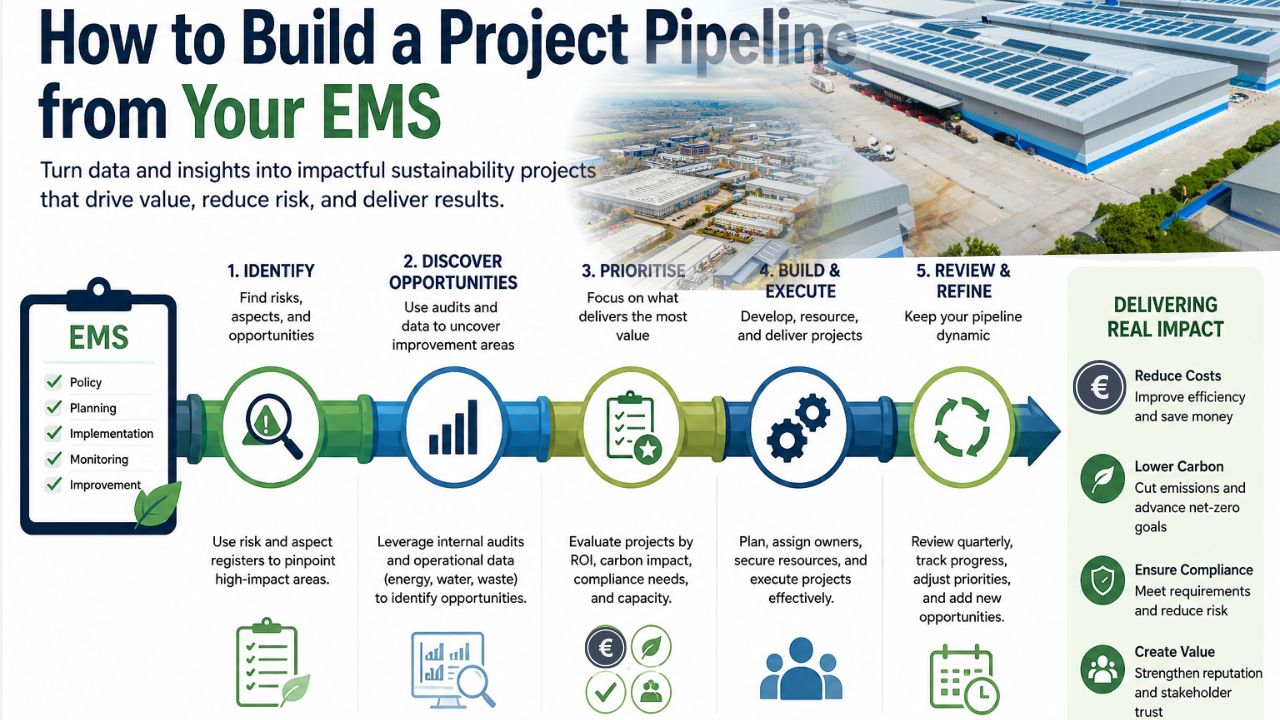
Building a Project Pipeline Aligned with Your EMS
To maximise funding opportunities, it’s essential to align your energy projects with your ISO 50001 energy management system. Here’s how to build a strong project pipeline:
1. Identify High-Impact Projects
Use your energy performance data to pinpoint areas with the greatest potential for improvement. Focus on projects that deliver measurable energy savings, cost reductions, or emissions cuts.
2. Prioritise Quick Wins
Start with projects that are easy to implement and offer fast returns, such as upgrading to energy-efficient lighting or optimising HVAC systems. These quick wins can build momentum and free up resources for larger initiatives.
3. Plan for Long-Term Investments
Incorporate larger, capital-intensive projects, such as on-site renewable energy generation or advanced energy storage systems, into your pipeline. These projects may require more funding but offer significant long-term benefits.
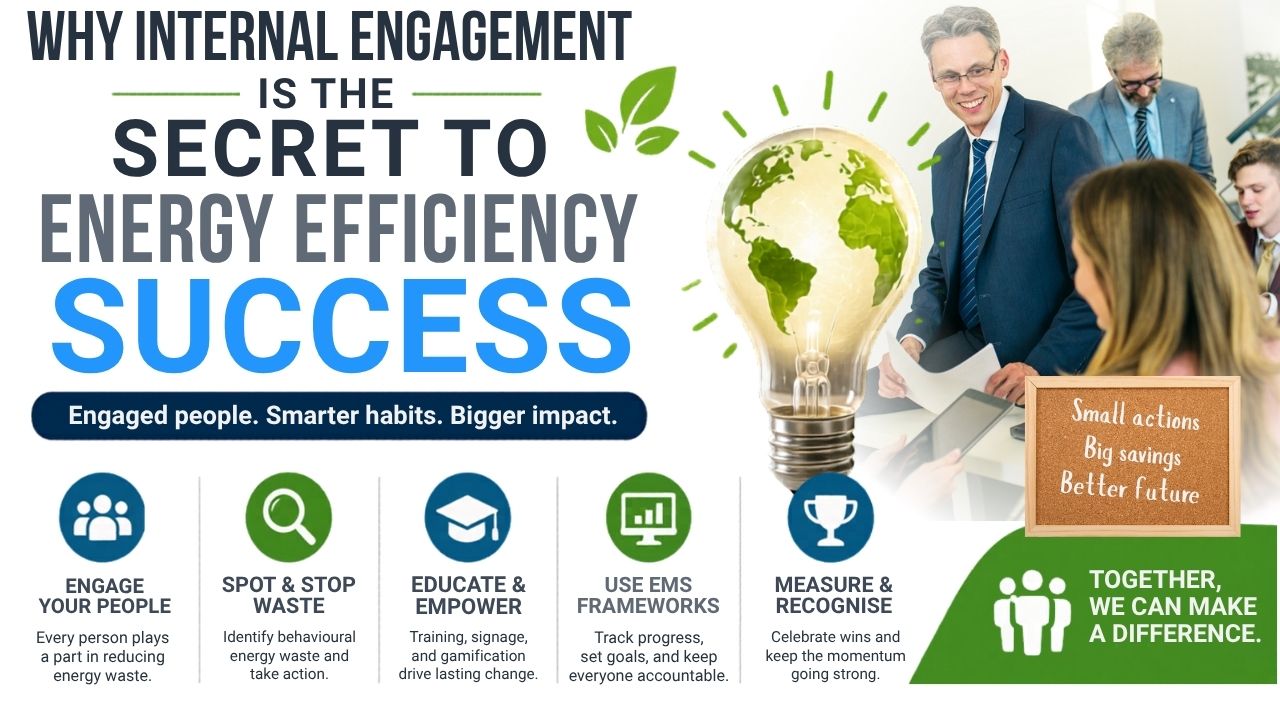
4. Engage Stakeholders
Involve key stakeholders, such as facility managers, financial officers, and external consultants, in the project planning process. Collaboration ensures that your pipeline aligns with organisational goals and funding requirements.
Avoiding Compliance-Only Thinking: Align with Impact
While ISO 50001 is a powerful tool for securing funding, it’s important to go beyond compliance and focus on impact. Here’s how:
1. Think Beyond Certification
ISO 50001 certification is just the starting point. Use your EMS to drive meaningful change by setting ambitious energy and emissions targets. Funders are more likely to support projects that demonstrate a commitment to transformative impact.
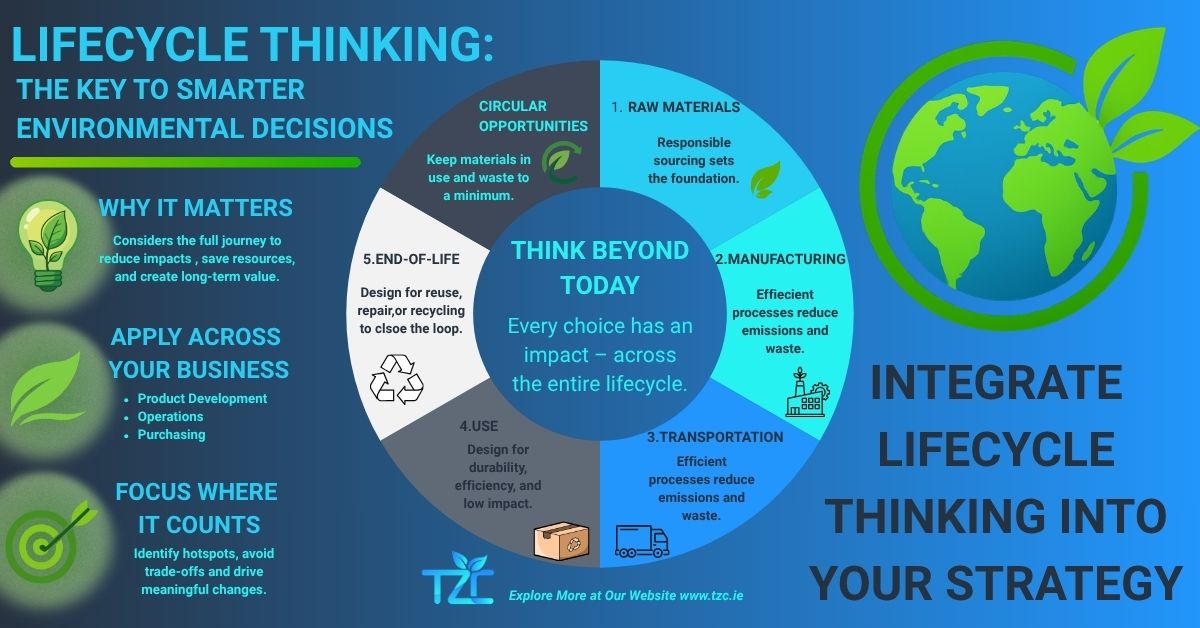
2. Integrate Sustainability Goals
Align your energy projects with broader sustainability objectives, such as achieving net-zero emissions or supporting the United Nations’ Sustainable Development Goals (SDGs). This holistic approach can strengthen your funding applications.
3. Communicate Results
Share the outcomes of past projects to build credibility with funders. Use case studies, testimonials, and performance data to demonstrate your organisation’s ability to deliver results.
The Bottom Line
ISO 50001 is more than an energy management system, it’s a powerful tool for unlocking funding and accelerating your sustainability journey. By leveraging its structured plans, data-driven insights, and continuous improvement processes, you can position your organisation as a credible partner for grant providers, utility programs, and private investors.
To secure funding, focus on aligning your energy projects with the goals of funding bodies, building a robust project pipeline, and emphasising impact over compliance. With the right approach, your ISO 50001 system can help you access the resources needed to achieve your energy and sustainability goals.
Recommended Keywords
- ISO 50001 funding
- Energy management system grants
- Energy efficiency funding
- Renewable energy incentives
- Green loans
- Utility rebate programs
- Energy project pipeline
- Sustainability grants
- Carbon reduction funding
- Energy performance monitoring